
Plants
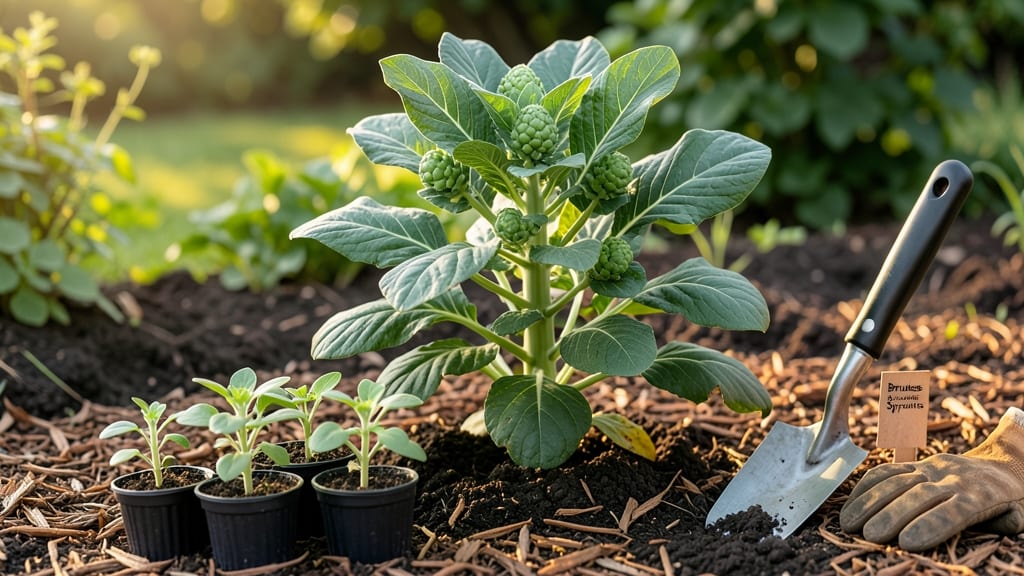
If you’ve ever planted Brussel sprouts 🥦 in Maryland only to watch them bolt before harvest, you’re not alone—timing is everything for this finicky crop. Maryland’s USDA zones 7a-7b demand precision, and missing the window by even a few weeks can turn your hard work into bitter disappointment.
The key to success lies in planting between mid-April and early June for spring or late July to early August for fall, aligning with Maryland’s frost dates.
Skip the guesswork: I’ll break down the exact calendar, soil temperature secrets, and how to adjust for containers or extended seasons—so you can finally enjoy that October-to-December harvest you’ve been dreaming of.
Most gardeners overlook how Maryland’s humidity and summer heat can stress Brussel sprouts, but I’ve tested the strategies that work. Whether you’re a first-timer or a veteran gardener, these tips will help you avoid common pitfalls and maximize your yield—no more wasted plants!
Ready to transform your garden? Let’s dive into the frost-date calendar and planting tricks that’ll have your 🥦 thriving when others fail. Your future harvest is waiting—just get the timing right!
Maryland Brussel sprouts planting calendar by frost dates (avoid bolting)
Brussel sprouts thrive in Maryland’s USDA zones 6-8, but getting the timing right is the key to avoiding premature bolting—when plants flower too early and sacrifice flavor.
The last average frost date (April 15) and first frost date (November 15) bookend your two planting windows: spring (mid-April to early June) and fall (late July to early August).
Maryland’s humidity and heat spikes can stress brussel sprouts, so planting too early in spring or too late in fall risks stunted growth. The 8-10 week rule applies: count back from your first frost to determine when to transplant 6-week-old seedlings for a fall harvest.
For spring planting, aim for mid-April to early May to align with soil warming.
Here’s your Maryland-specific frost-date calendar to pinpoint the best transplant windows for zero-bolt harvests:
| Planting Window | Transplant Date | Harvest Window | Key Notes |
|---|---|---|---|
| Spring | Mid-April to early May | October to December | Avoid transplanting after May 15—heat stress triggers bolting. |
| Fall | Late July to early August | November to January | Plant 8-10 weeks before first frost for mature sprouts. |
| Extended Season | Late August (with row covers) | January to February | Use floating row covers to delay frost damage. |
For container growing, adjust your timeline by 2 weeks earlier—pots heat up faster and dry out quicker. Start seeds indoors in late March for spring transplants or mid-June for a fall crop.
Maryland’s microclimates (e.g., coastal vs. inland) can shift these dates by up to 10 days, so monitor local forecasts.
Pro tip: Direct-sow seeds in late May to early June for a fall harvest, but expect a 30-40 day delay in maturity compared to transplants. This method works best in well-draining soil with consistent moisture.
Bolting is your worst enemy, and heat waves above 85°F are the trigger. In Maryland’s USDA Zone 7b, aim to have plants established by June 1 for spring or August 15 for fall to avoid this pitfall.
Use shade cloth (30-50%) if transplanting in late May or early September.
Your soil temperature must reach 45°F for seeds and 50°F for transplants. In Maryland, this typically aligns with mid-April for spring and late July for fall. Test with a soil thermometer—cold soil delays germination and weakens seedlings.
Plan for two harvest cycles: one in late October (spring-planted) and another in December-January (fall-planted). This staggered approach ensures fresh sprouts year-round while minimizing waste. Store extra harvests in plastic bags in the fridge for up to 2 weeks.
🌱
Maryland Brussel sprouts planting calendar by frost dates (avoid bolting)
Maryland’s USDA zones 7a-7b create a unique challenge for Brussel sprouts 🥦—plant too early, and summer heat triggers bolting; too late, and frost cuts harvests short.
The solution? A precise frost-date calendar tailored to Maryland’s climate, where mid-April to early June (spring) and late July to early August (fall) are your golden windows.
Most gardeners miss the mark by focusing only on last frost dates, but soil temperature is equally critical. Brussel sprouts need soil at 45°F (7°C) to germinate—warmer than many assume.
In Maryland, this typically aligns with April 15 for spring plantings, but cooler microclimates (like mountain regions) may need adjustments.
| Planting Window | Soil Temp Requirement | Frost Risk | Harvest Timeline |
|---|---|---|---|
| Mid-April to Early June | 45°F (7°C) minimum | Low (post-last frost) | October–December |
| Late July to Early August | 50°F (10°C) minimum | Moderate (pre-first frost) | November–January |
| Extended Season (Containers) | 40°F (4°C) minimum | High (use row covers) | September–March |
🌱 Pro Tip: Use row covers to extend harvests by 2–3 weeks in fall.
For spring plantings, aim to transplant 4–6 weeks before Maryland’s last frost (April 15). This gives plants enough time to establish roots before summer heat sets in.
In fall, plant 8–10 weeks before the first frost (November 15)—typically late July to early August—to ensure mature sprouts before cold snaps.
Maryland’s humidity and summer heat can stress Brussel sprouts, so I recommend shade cloth (30–50%) during June–August to prevent bolting. Pair this with drip irrigation to maintain consistent moisture without wetting foliage, which reduces fungal risks.
Container growers have an advantage: 5-gallon pots warm up faster in spring and can be moved to protected microclimates (like near south-facing walls) to extend seasons. Just ensure pots have drainage holes and use well-draining soil mixes to prevent root rot.
Remember: Brussel sprouts need 90–120 days to mature. In Maryland, this means spring plantings yield harvests in October–December, while fall plantings produce November–January. Plan ahead—your 🥦 harvest depends on it!