
Plants
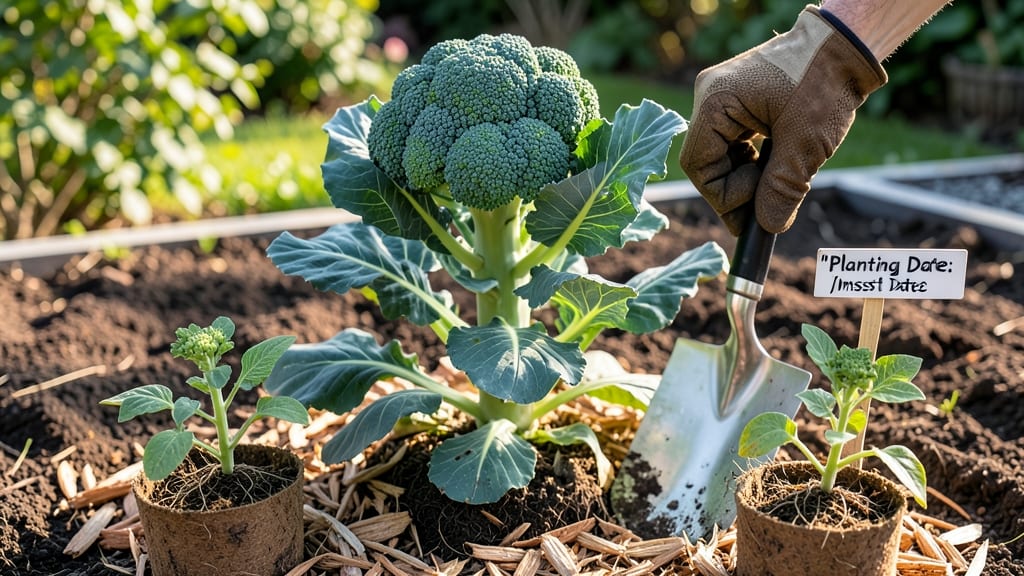
Knowing when to plant broccoli in Zone 6b can mean the difference between a bumper crop of crisp, flavorful 🥦 and a sad, bolted disappointment. Zone 6b gardeners face unique challenges—spring planting requires precise timing to dodge early frosts, while fall crops need to mature before winter sets in.
Let me show you exactly how to nail those planting windows. Whether you're starting seeds indoors or transplanting young plants, understanding your local frost dates and temperature thresholds is the key to avoiding bitter, woody heads.
We'll cover both spring and fall strategies so you can enjoy fresh broccoli from May through November.
One common mistake is planting too early in spring, which can trigger bolting before heads form. Or planting too late in fall, leaving your crop vulnerable to frost. The solution? Strategic timing based on your specific last-frost date—typically around April 15 in Zone 6b.
Ready to grow broccoli that's bolt-free and harvest-ready? Let's dive into the exact planting schedule and preparation tips that work for your climate. Your garden's about to get a whole lot greener.
Optimal broccoli planting windows in Zone 6b: spring vs fall timing
Growing broccoli in Zone 6b requires precision timing to avoid two major pitfalls: early bolting from heat stress or frost damage from late planting. The key is planting when soil temperatures are cool but frost risk has passed—or timing fall crops to mature before winter chill sets in.
In Zone 6b, your last average frost date typically falls around April 15, while the first frost usually arrives by October 15. These dates create two perfect planting windows: early spring (March-April) and late summer (August-September) for fall harvests.
Here’s how to calculate your exact planting dates using local microclimates. Check your 10-year frost records—urban areas may warm faster than rural zones, shifting your window by 1-2 weeks. For example, if your last frost is April 22, aim to plant 4-6 weeks earlier (by March 8-15).
| Planting Window | Zone 6b Dates | Soil Temp | Days to Harvest |
|---|---|---|---|
| Spring Direct Sow | March 15–April 15 | 45–55°F | 60–75 days |
| Spring Transplant | April 1–May 1 | 50–60°F | 50–65 days |
| Fall Direct Sow | August 1–September 1 | 55–65°F | 70–85 days |
| Fall Transplant | July 15–August 15 | 60–70°F | 60–70 days |
For spring planting, start seeds indoors 6-8 weeks before your last frost (around February 15) for transplants. Harden off seedlings by March 1 to transplant after soil warms to 45°F. Use black plastic mulch to speed soil warming if needed.
Fall planting is trickier—broccoli needs 70–85 days to mature, so calculate backward from your first frost. For example, if frost hits October 15, sow seeds by August 1 for a 75-day variety. Use shade cloth (30–50%) in late summer to prevent bolting from heat.
Pro tip: Test your soil temperature with a thermometer before planting. Broccoli roots struggle in soil above 80°F, even if air temps are mild. If your soil hits 75°F in spring, delay planting until temps drop 10°F.
Microclimates matter! South-facing beds warm faster than north sides. If your garden sits in a frost pocket, plant 2 weeks later than the average. Conversely, urban "heat islands" may let you plant 2 weeks earlier.
Always plant bolting-resistant varieties like 'De Cicco' or 'Waltham 29' for Zone 6b’s heat spikes. These varieties tolerate 85°F better than standard types, giving you a 10–14 day longer harvest window before bolting.
Mark your calendar: Spring = March 15–April 15; Fall = August 1–September 1. With these dates, you’ll enjoy crisp, zero-bolt broccoli from May through November!
Optimal broccoli planting windows in Zone 6b: spring vs fall timing
Timing your broccoli planting in Zone 6b means avoiding two major pitfalls: spring bolting from cool nights and fall frost damage before harvest. The secret lies in planting when soil temperatures hit 40°F (4°C) but air temps stay below 75°F (24°C)—the sweet spot for broccoli growth.
In most of Zone 6b, this translates to two key windows: early spring (March-April) and late summer (August-September).
For spring planting, aim to have seedlings ready 4-6 weeks before your last frost date—typically around April 15 in Zone 6b. If you start seeds indoors, begin them 6-8 weeks before transplanting to ensure strong, healthy plants.
Fall crops, on the other hand, should go in the ground 90-120 days before your first frost (around October 15), giving them time to mature before winter arrives.
Here’s the breakdown of your planting windows, including soil temperature thresholds and frost-free days to maximize yield:
| Planting Window | Soil Temp | Frost Risk | Days to Harvest | Notes |
|---|---|---|---|---|
| Early Spring (March-April) | 40-50°F (4-10°C) | Low (post-last frost) | 50-70 days | Start indoors 6-8 weeks before transplanting. |
| Late Summer (August-September) | 50-60°F (10-15°C) | Moderate (pre-first frost) | 60-90 days | Choose bolt-resistant varieties for heat. |
One critical tip for Zone 6b gardeners: Use a soil thermometer to confirm temperatures before planting. Cool, damp soils slow germination, while warm soils can trigger bolting. If your soil runs hotter than 70°F (21°C) in spring, delay planting until temps drop—even by a few degrees.
For fall crops, prioritize varieties with shorter maturity times (like 'De Cicco') to ensure they finish before frost.
Don’t overlook microclimate variations in Zone 6b. Urban areas may experience heat islands that push soil temps higher, while rural spots stay cooler. If you’re unsure about your last frost date, check local weather records or use a frost calendar from your county extension office.
A few extra days of preparation now mean bolt-free, harvest-ready broccoli all season.
Finally, prepare your soil 2-3 weeks before planting by amending with compost or aged manure to retain moisture and provide nutrients. Broccoli is a heavy feeder, so rich soil is non-negotiable for those crisp, flavorful heads you’re after.
With these timing strategies, you’ll be well on your way to a successful broccoli harvest—whether in spring or fall.