
Plants
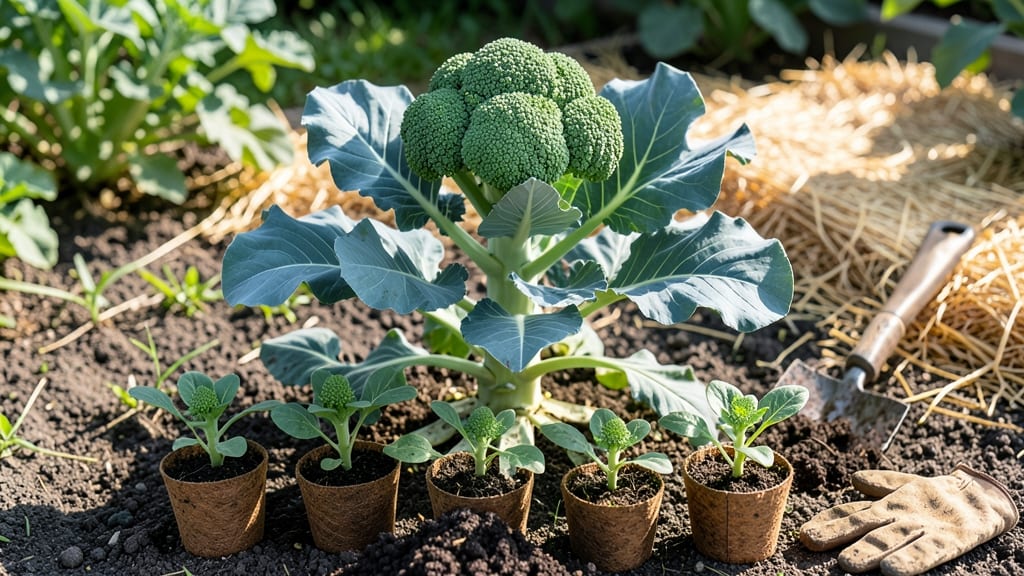
Timing your broccoli 🥦 planting in Arizona isn’t just about the calendar—it’s about outsmarting the desert’s heat to grow sweet, crisp heads instead of bitter stalks. The key? Planting in October or November when temperatures start to cool, giving your plants a fighting chance before winter sets in.
Here’s the catch: Arizona’s microclimates—from Phoenix’s low desert to Flagstaff’s cooler highlands—mean what works in one zone might fail in another. Whether you’re in USDA Zone 9b or higher, understanding your local frost dates and heat tolerance is the difference between a bountiful harvest and a bolting disaster.
I’ve tested these strategies in my own garden, and the results speak for themselves: fall-planted broccoli thrives when given the right conditions. We’re talking shade cloth for heat protection, precise irrigation schedules, and soil prep that keeps roots happy even when the sun is relentless.
Ready to grow broccoli that actually tastes fresh? Let’s break down the exact planting windows, soil tricks, and variety picks that work for Arizona’s climate—so you can enjoy homegrown 🥦 from December through April without the guesswork.
Best fall planting dates for broccoli in Arizona’s climate zones
Arizona’s diverse climate zones—from the scorching low desert of Phoenix (Zone 10a-11) to the cooler high desert of Flagstaff (Zone 7b-8a)—create distinct windows for planting broccoli. Timing is critical: plant too early, and heat stress triggers bolting; too late, and frost ruins your crop.
The key is aligning your planting with soil temperatures below 75°F and avoiding summer’s relentless sun.
For low desert areas like Tucson and Yuma, aim to sow seeds or transplant seedlings in mid-October to early November. This gives broccoli 60-80 days to mature before winter slows growth. In transition zones (e.g., Mesa, Prescott), start late September to early October.
Meanwhile, high desert regions like Flagstaff can plant as early as mid-August—but protect seedlings with row covers if nights dip below 40°F.
| Zone | Ideal Planting Window | Soil Temp Threshold | First Frost Risk | Harvest Window |
|---|---|---|---|---|
| 10a-11 (Low Desert) | Mid-October – Early November | Below 75°F | None (Dec 15+) | December – March |
| 9a (Transition) | Late September – Early October | Below 70°F | January 15 | November – February |
| 7b-8a (High Desert) | Mid-August – Late September | Below 65°F | October 30 | October – January |
Use a soil thermometer to confirm readiness—broccoli roots struggle in warm soil above 75°F. In low desert areas, wait until daytime highs drop below 90°F before transplanting. For container gardening, start seeds indoors in late August and move pots to shaded patios by mid-September.
Pro tip: Direct-sow seeds ¼-inch deep, 18 inches apart, in rows 2 feet apart. This spacing prevents crowding, which stresses plants and invites pests. Amend soil with compost and a balanced fertilizer (5-10-10) to boost resilience during Arizona’s unpredictable weather swings.
Watch for heat stress signs like yellowing leaves or stunted growth—these mean your broccoli is struggling. If temperatures spike above 85°F after planting, provide 30% shade cloth during peak afternoon sun. Mulch with straw to retain moisture and keep roots cool.
In high desert zones, protect young seedlings with frost cloth if nights drop below 40°F. Broccoli is frost-tolerant but prefers consistent temperatures between 50°F and 70°F for optimal growth. Plan to harvest before January’s first frost, or risk bitter, woody stalks.
For extended harvests, succession plant every 2-3 weeks from September to November. This staggered approach ensures a steady supply of tender broccoli heads through winter. Save seeds from your healthiest plants for next year’s spring crop (plant in February-March for summer harvests).
Container gardeners: Choose 5-gallon pots with drainage holes and fill with well-draining potting mix. Place pots in east-facing windows or under 50% shade cloth to mimic ideal growing conditions. Water containers daily in summer heat—pots dry out 3x faster than in-ground soil.
Avoid planting broccoli in summer’s peak heat—it bolts within 2 weeks of exposure to 95°F+ temperatures. Instead, rely on fall and spring plantings for Arizona’s most reliable yields. With the right timing, you’ll enjoy crisp, sweet broccoli straight from your garden—no bitter aftertaste in sight! 🥦
Best fall planting dates for broccoli in Arizona’s climate zones
Arizona’s three distinct climate zones—low desert, transition zones, and high desert—each demand different broccoli planting windows to avoid bolting. In the low desert (Zone 10a-11), like Phoenix, your best bet is to plant late September to early October when soil temps drop below 85°F.
This gives plants time to establish before winter sets in.
For transition zones (Zone 9a), including Tucson and Prescott, aim for mid-October to November. These areas experience earlier frosts (around mid-December), so starting slightly later ensures your broccoli matures before cold snaps.
Meanwhile, high desert zones (7b-8a), like Flagstaff, can plant as late as early November thanks to cooler nights.
🚨 NON-NEGOTIABLE: Soil temperature is your #1 indicator. Use a soil thermometer—broccoli roots thrive in 60-75°F soil. If temps creep above 80°F, your plants will bolt faster than you can say “🥦 gone wrong.”
| Zone | Best Planting Window | Soil Temp Threshold | Frost Risk |
|---|---|---|---|
| Low Desert (10a-11) | Late Sept - Early Oct | 60-75°F (max 80°F) | Minimal (Dec 15+) |
| Transition (9a) | Mid-Oct - Nov | 60-70°F (max 75°F) | Moderate (Dec 1-15) |
| High Desert (7b-8a) | Early Nov | 55-65°F (max 70°F) | High (Nov 15+) |
🌱 Pro Tip: Adjust 2-3 weeks earlier if using shade cloth.
In my Phoenix garden, I’ve found that direct sowing in late September yields the best results, but starting seeds indoors in mid-August gives you a head start.
Transplant seedlings outdoors when they’re 4-6 inches tall and hardy to 50°F nights. This two-step method buys you critical time in Arizona’s short growing season.
Don’t overlook microclimates—even within cities. A north-facing garden in Tempe might stay cooler than a south-facing plot in Scottsdale. Use a minimum thermometer to track nighttime temps; broccoli needs 50-60°F nights to form heads properly.
If temps dip below 40°F, protect plants with row covers or move pots to a sheltered spot.
Timing your second planting in February can extend your harvest into early summer, but only if you’re in higher elevations (Zone 7b+). Low desert areas should skip spring planting—broccoli hates 90°F+ days and will bolt within weeks. Instead, focus on fall’s cooler window for reliable results.