
Plants
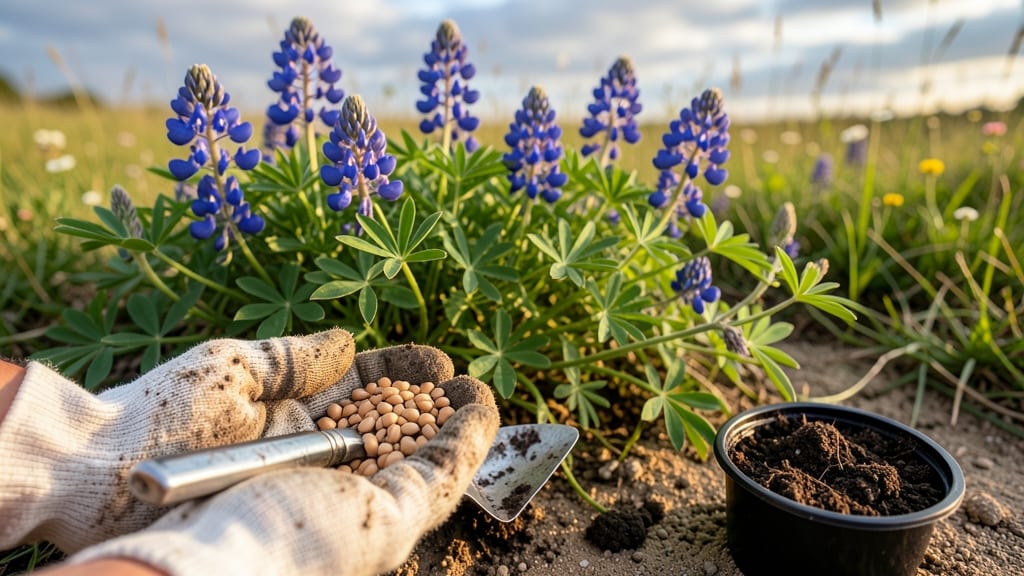
If you've ever dreamed of waking up to a carpet of vibrant 🌸 bluebonnets blanketing Austin's hillsides, planting the seeds at the right time is everything—and getting it wrong means zero blooms.
Planting these iconic Texas wildflowers at the wrong time can leave you staring at bare soil instead of a sea of blue, no matter how much you love gardening.
The key to success lies in Austin's fall season, specifically that 6-week window between late September and October when temperatures drop just right. This isn't just about throwing seeds in the ground—it's about working with nature's rhythm to give your bluebonnets the perfect start before winter sets in.
I've seen firsthand how Austin's unpredictable weather can turn even the most well-intentioned planting into a gamble. But with the right timing and a few simple tricks, you can learn how to beat the odds and create a stunning display that'll make your neighbors green with envy.
Let me show you exactly when to plant, how to prepare your soil, and what to watch for after those seeds hit the ground. By the time spring rolls around, you'll have a game-changer for your Austin garden that's as easy as it is beautiful.
Optimal bluebonnet planting dates in Austin’s fall season
Timing is everything when planting bluebonnet seeds in Austin—get it wrong, and you’ll end up with zero blooms next spring. The 6-week window between late September and early October is your golden opportunity for maximum germination and vibrant displays.
This aligns perfectly with Austin’s USDA Zone 8b climate, where soil temperatures hover between 60-75°F, ideal for seed activation.
Austin’s erratic fall weather can throw off even experienced gardeners. Plant too early (before September 20th), and seeds may bolt prematurely from heat stress. Wait too late (after October 15th), and cold snaps can stunt germination.
The key? Monitor your soil temperature—it should stay consistently above 60°F for at least 2 weeks before planting.
🌱
| Planting Stage | Austin Timeline | Key Conditions | Action Items |
|---|---|---|---|
| Seed Purchase | August 15–September 15 | Soil temp: 70–80°F | Buy fresh seeds; store in cool, dry place. |
| Soil Prep | September 1–15 | pH: 6.0–7.5; well-drained | Test soil; amend with compost if needed. |
| Optimal Planting | Late Sept–Early Oct | Soil temp: 60–75°F; light rains | Scatter seeds; light cover with mulch. |
| Germination | October–December | Moisture: consistent; no frost | Monitor for sprouts; thin seedlings. |
| Bloom Window | March–May | Full sun; frost-free | Enjoy! Deadhead spent blooms. |
Rainfall plays a critical role in Austin’s bluebonnet success. Native to Texas, these seeds rely on natural rainfall to trigger germination. Aim to plant after 1–2 inches of rain or water lightly post-planting to mimic spring showers.
Overwatering can drown seeds, while drought conditions may delay sprouting by weeks.
Pro tip: Use a rain gauge to track Austin’s variable autumn rains. If drought hits, supplement with 1/4 inch of water every 7–10 days until germination occurs. Avoid overhead sprinklers—they can displace seeds or cause fungal diseases.
🌡️
Austin’s first frost date (around December 15th) rarely harms established bluebonnet seedlings, but newly planted seeds need protection. If frost threatens before germination, cover seeds with a lightweight row cover or straw mulch. This creates a microclimate that shields seeds while allowing moisture and light to penetrate.
Timing isn’t just about dates—it’s about reading Austin’s climate cues. Watch for native wildflowers like Indian paintbrush or coreopsis to bloom nearby; these signal ideal planting conditions. By aligning your bluebonnet planting with these natural indicators, you’ll dramatically increase your chances of a show-stopping spring display.
🌸
Optimal bluebonnet planting dates in Austin’s fall season
Austin’s bluebonnet seeds (Lupinus texensis) thrive when planted during a 6-week window in fall—typically between late September and mid-October. This timing aligns with Austin’s USDA Zone 8b climate, where soil temperatures drop just enough to trigger germination without risking early frost.
Planting too early (before 60°F soil temps) can cause seeds to rot, while waiting too late may lead to bolting or poor establishment before winter.
The ideal planting window is after Austin’s first light frost (usually mid-October) but before temperatures consistently drop below 50°F. This balance ensures seeds germinate slowly over winter, avoiding the shock of sudden cold snaps.
I’ve found that planting in early October gives seeds time to establish roots before Austin’s unpredictable December freezes.
Watch for Austin’s fall rainfall patterns—seeds need 1-2 inches of moisture within 2 weeks of planting. If your area experiences drought, consider a light irrigation after sowing.
The goal is to mimic nature, where seeds germinate naturally after winter rains. Timing your planting with Austin’s October-November rain events can cut your watering needs in half.
| Timing | Soil Temp | Rainfall Needed | Austin Risk |
|---|---|---|---|
| Late September | 65-75°F | 1 inch | High bolting |
| Early October | 60-70°F | 1-2 inches | Optimal |
| Mid-October | 55-65°F | 2+ inches | Low germination |
| November | Below 50°F | N/A | Frost damage |
If you miss the fall window, don’t despair—Austin’s mild winters allow for late November planting in protected microclimates (like south-facing slopes). However, these seeds may not bloom as vigorously.
For maximum impact, stick to the October rule: plant when mornings are cool but afternoons stay above 60°F. This mimics the natural cycle bluebonnets follow in Central Texas.
Pro tip: Mark your calendar for October 15th as your last ideal planting date. By this time, Austin’s first hard freeze warnings typically appear, signaling it’s time to cover seeds with a light mulch (like straw) to protect them through winter.
I’ve seen gardens where seeds planted after this date still produce blooms, but the display is 50% smaller than those planted on time.
Remember, bluebonnets are perennials that self-seed prolifically. The first year’s blooms may be modest, but with proper fall timing, your second spring will reward you with a full-blown blue carpet—just like the iconic Austin hillsides. The secret? Patience and timing are everything.