
Plants
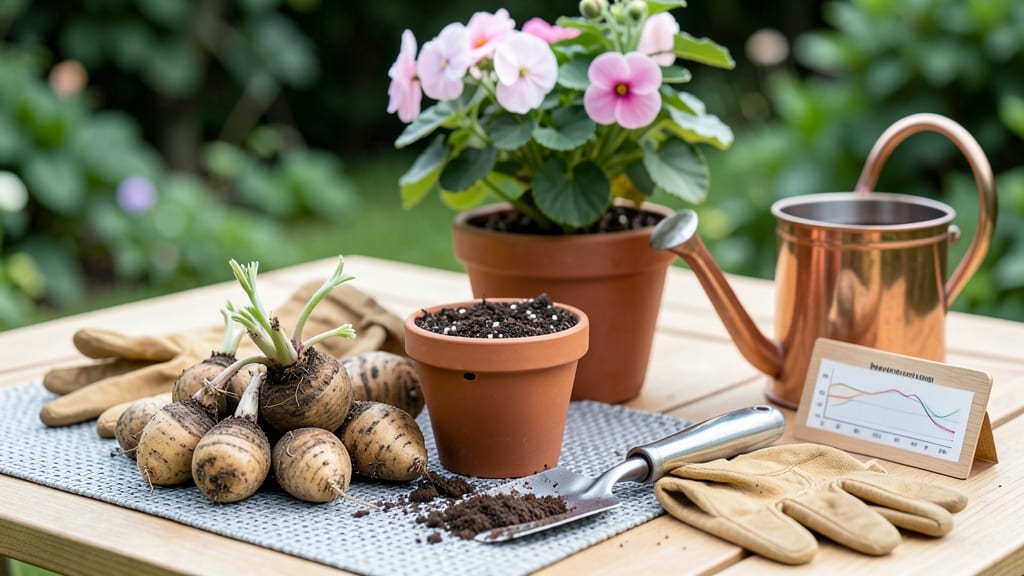
Timing is everything when you’re ready to plant begonias in pots—get it wrong, and your vibrant 🌸 begonias might struggle to thrive. Since these beauties love warmth but hate frost, knowing your hardiness zone and last frost date is the key to avoiding leggy stems or stunted growth.
For most gardeners in USDA Zone 6a (like me!), the sweet spot is April to May, once soil temperatures hit 60°F and nights stay above 50°F. But tuberous begonias? They’re a little more patient—they can wait until late May if you’re in a cooler microclimate.
Here’s the game-changer: container gardening changes the rules. Pots warm up faster than ground soil, so you might push planting a week or two earlier. Just watch for those 50°F nighttime temps—drop below that, and your begonias will throw a fit.
Want to keep your potted begonias blooming year after year? I’ll show you how to time it right for both spring planting and overwintering, so you’re not left guessing when to coax those 🌸 beauties back to life. Let’s get your pots prepped!
Best planting times for begonias in pots by hardiness zone
Begonias thrive in pots but need precise timing to avoid frost damage or overheating. The ideal window depends on your USDA hardiness zone and begonia type. In zones 3-5, wait until mid-May after the last frost, while zones 6-11 can plant as early as April.
Tuberous begonias, for example, need warmer soil (60°F+) to sprout.
For coastal climates, adjust 2-3 weeks later due to cooler ocean breezes. In hot desert zones, plant in early spring to avoid summer heat stress. Always check your local frost-free date—a late frost can kill tender begonia foliage overnight.
Here’s a quick reference for month-by-month planting by zone, including key adjustments for tuberous vs. fibrous-rooted varieties:
| Zone | Spring Planting | Fall Planting (Tubers) | Notes |
|---|---|---|---|
| 3-5 | Mid-May (after frost) | Late August (tubers only) | Use black pots to warm soil faster |
| 6-7 | Early April | Early September | Mulch pots to retain moisture |
| 8-9 | Mid-March | Mid-October | Provide afternoon shade in summer |
| 10-11 | Late February | November (tropical zones) | Use well-draining mix with perlite |
Tuberous begonias need extra warmth—plant them 2-3 weeks after fibrous-rooted types. In zones 10-11, you can even plant year-round in containers, but growth slows in winter. For rex begonias, prioritize humidity over heat; they prefer cooler temps (65°F) and high moisture.
If you’re overwintering begonias in pots, plant tubers in late summer (August-September) so they establish roots before dormancy. Use lightweight potting mix to prevent waterlogging, and place pots in partial shade during hot afternoons. A humidity tray with pebbles and water helps mimic their native tropical environment.
For urban gardeners, microclimates matter. A south-facing balcony in zone 6 may warm up faster than your neighbor’s yard. Test soil temperature with a thermometer—begonias won’t thrive until it hits 60°F (15°C). In cooler microclimates, delay planting until nighttime temps stay above 50°F (10°C).
Pro tip: Start tuberous begonias indoors 8-10 weeks before your last frost date. Use seed-starting mix and keep them in bright, indirect light until roots fill the pot. Transplant outdoors only after hardening off for 7-10 days to avoid shock.
Remember, container size matters. Begonias in 5-inch pots need repotting yearly, while 12-inch pots can hold tuberous types for 2-3 seasons. Use pots with drainage holes and elevate them on feet to prevent rot. Mulch with orchid bark to retain moisture without compacting roots.
Finally, watch for pests like aphids or spider mites after planting. These thrive in new growth and dry conditions. A neem oil spray applied every 2 weeks keeps them at bay while being pet-safe.
With the right timing, your potted begonias will bloom from late spring to frost—or year-round in warm zones!
How to adjust planting timing for begonia varieties & climate
Not all begonias play by the same rules—tuberous begonias, wax begonias, and rex begonias each have their own ideal planting windows.
For example, tuberous begonias (like Begonia x tuberhybrida) need warmer soil to wake from dormancy, while rex begonias (like Begonia rex) prefer cooler, humid conditions. Even within the same variety, your local climate can shift timing by weeks.
Humidity is the wild card. In high-humidity zones (like Zone 8-11), begonias can handle planting as early as March—but in dry climates (like Zone 5-6), wait until mid-May to avoid stress.
Coastal areas? Salt spray can delay growth, so monitor for leaf burn if planting near ocean breezes.
Heatwaves complicate things too. If your summer hits 90°F+ early, begonias planted in late May might wilt. I’ve learned to check the 7-day forecast—if nights stay above 65°F, it’s safe to plant; below that, wait another week.
🌱 3 Key Adjustments for Your Climate
- ✅ Check soil temp with a thermometer—wait until 60°F+ for tuberous types.
- ✅ Delay in dry zones by 2-3 weeks—begonias hate windburn and drought stress.
- ✅ Advance in humid zones by 1 month—high moisture speeds up germination.
Microclimates matter too. A south-facing patio warms up faster than a shady corner, so you might plant there a week earlier. I always test my pots by placing them in direct sun for 24 hours—if the soil feels warm to the touch, it’s ready.
For overwintering begonias (like tuberous types), time your fall planting for late August to September in Zones 7-11. In colder zones (3-6), bring pots indoors before the first frost and resume outdoor planting next spring.
Pro tip: Use a moisture meter to confirm soil readiness—begonias despise soggy roots but also can’t handle dry starts. Adjust your planting date if readings show below 50% moisture after watering.