
Plants
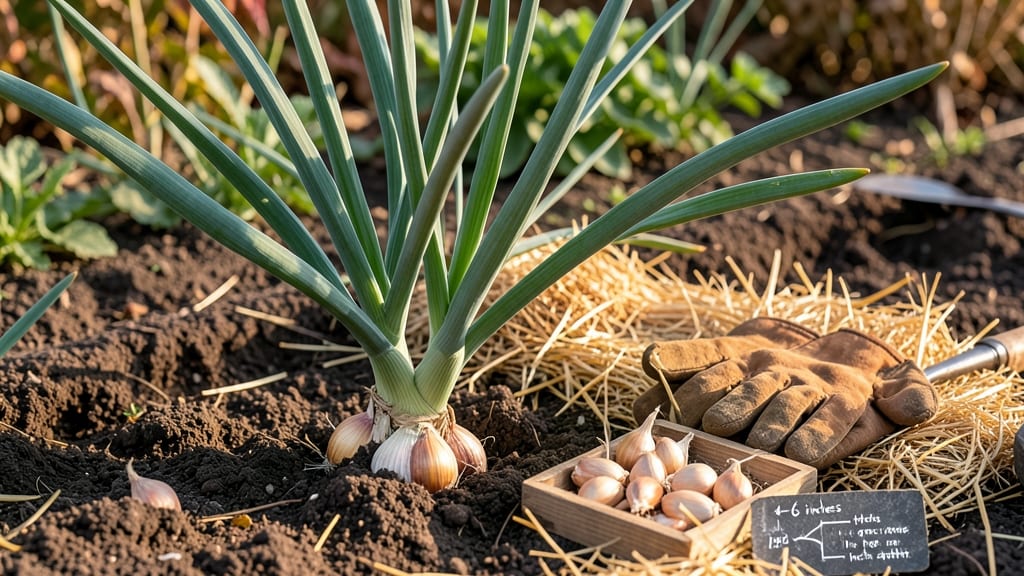
Planting garlic in Minnesota isn’t just about timing—it’s about beating the clock before the first frost locks your soil in a frozen time warp. With the right window, you’ll grow hardy bulbs that thrive in our USDA Zones 3-5, but miss it by even a week, and Mother Nature will have the last laugh.
Most Minnesota gardeners swear by fall planting—between late September and early November—when soil temps dip below 50°F. This gives garlic’s roots time to establish before winter’s chill sets in.
But here’s the catch: hardneck varieties (like ‘Music’ or ‘Chesnok Red’) actually prefer our cold winters, while softnecks need a little more protection.
Why does this matter? Because a well-timed garlic crop means fewer pests, bigger bulbs, and a harvest ready by late June or early July. I’ll break down the exact deadlines for your zone, plus pro tips to adjust for early frosts or late springs—so you never guess again.
Ready to turn your garden into a garlic powerhouse? Let’s dig into the frost-free deadlines that’ll make your harvest the envy of the neighborhood.
Minnesota garlic planting deadlines by hardiness Zone and variety type
Minnesota’s USDA Zones 3-5 create a unique challenge for garlic growers—timing is everything. Unlike warmer climates, we rely on fall planting to establish roots before winter dormancy.
The ideal window spans late September to early November, but your exact deadline depends on variety type and local frost dates. Northern MN (Zone 3) has a shorter window than southern MN (Zone 5), so I’ll break it down by region and garlic type.
Hardneck varieties—like 'Music' and 'German White'—are Minnesota’s superstars. They thrive in our cold winters and produce flavorful bulbils (those tasty garlic shoots). Softneck varieties, such as 'Silverskin', are less common here but can work if planted early.
Elephant garlic, a milder relative, also performs well but has slightly different timing needs. Let’s dive into the specifics to ensure your garlic gets off to the right start.
Here’s the critical rule: Plant garlic 4-6 weeks before the ground freezes. In most of Minnesota, that means mid-September to early November.
However, northern counties (e.g., International Falls) may need to plant by late September, while southern areas (e.g., Rochester) can stretch into early November. Use your local frost date calculator (like the Old Farmer’s Almanac) to pinpoint your exact deadline.
| Variety Type | Best Planting Window | Notes for Minnesota |
|---|---|---|
| Hardneck (e.g., 'Music', 'Chesnok Red') | Late September - Early November | Top choice for cold winters; produces bulbils. |
| Softneck (e.g., 'Silverskin') | Late September - Mid-October | Less cold-hardy; plant earlier to avoid winter kill. |
| Elephant Garlic | Mid-September - Early October | Milder flavor; plant earlier for full development. |
| All Varieties | 4-6 weeks before frost | Use 2-inch deep planting; mulch with straw after frost. |
For Zone 3 gardeners (e.g., Duluth or Grand Marais), aim to plant by mid-September. The ground freezes earlier here, so don’t wait until October. In Zone 4 (e.g., Minneapolis), you’ve got a little more flexibility—late September to early November works.
Zone 5 (e.g., Rochester) can push the envelope to early November, but avoid planting after November 10 unless you’re using a cold frame.
Pro tip: Break garlic bulbs into individual cloves before planting, but keep the papery skin intact. Plant the pointy end up, 2 inches deep, and 4-6 inches apart. This spacing gives roots room to spread before winter.
After planting, cover with straw mulch (3-4 inches thick) to insulate the soil and protect cloves from freeze-thaw cycles. This mulch also suppresses weeds and retains moisture when spring arrives.
One common mistake? Planting garlic in spring. While it’s possible, spring-planted garlic in Minnesota rarely matures fully before harvest time. If you miss the fall window, your best bet is to start cloves indoors in late winter (February) and transplant outdoors in April.
However, this method often yields smaller bulbs, so fall planting is highly recommended for the best results.
If you’re unsure about your local frost dates, check your Minnesota State Climatology Office or use a frost date map like the one from the National Weather Service.
For example, St. Paul typically sees its last frost around May 15, while International Falls can expect frost until June 1. These dates help you calculate your fall planting window accurately.
Remember, garlic is a perennial in Minnesota’s climate, but it goes dormant in winter. The key to success is giving it enough time to establish roots before the ground freezes. With the right timing, your garlic will reward you with bold flavors and abundant harvests next summer.
Now that you’ve got your deadlines locked in, let’s talk about how to adjust for those unpredictable Minnesota winters in the next section.
Minnesota garlic planting deadlines by hardiness Zone and variety type
Minnesota’s USDA Zones 3-5 create a unique challenge for garlic growers—our winters are long, and frost dates vary wildly from northern Duluth (Zone 3) to southern Rochester (Zone 5). The golden rule?
Plant garlic 4-6 weeks before the ground freezes, but the exact date depends on your variety and location. Hardneck varieties (like ‘Music’ or ‘German White’) actually need cold winters to form bulbs, while softnecks (like ‘Silverskin’) tolerate milder conditions.
For most of Minnesota, that means late September through early November is your sweet spot. But if you’re in Zone 3 (north of the Twin Cities), aim for late August to mid-September—soil freezes faster there.
In Zone 5 (southern MN), you can stretch planting until mid-November, but don’t wait too long or your cloves won’t root before winter.
🌱 Minnesota Garlic Planting Deadlines by Zone & Variety
| Zone | Variety Type | Ideal Planting Window | Notes |
|---|---|---|---|
| Zone 3 (Duluth, Brainerd) | Hardneck | Late August - Mid-September | Soil freezes earliest; prioritize cold-hardy varieties like 'Chesnok Red'. |
| Zone 4 (Minneapolis, St. Cloud) | Hardneck | Late September - Early October | Best for 'Music' and 'German White'; mulch heavily for winter. |
| Zone 5 (Rochester, Winona) | Softneck | Mid-October - Mid-November | 'Silverskin' tolerates later planting; protect with row covers. |
| All Zones | Elephant Garlic | Late September - Early October | Larger cloves need extra space; plant 6" apart. |
Pro tip: Use your average first frost date as your deadline. For most Minnesotans, that’s around October 15, but check your local Almanac’s frost calendar for precision.
If you’re unsure, plant a test clove in mid-September—if it sprouts by November, you’re golden. If not, wait a week and try again.
One more critical detail: soil temperature matters just as much as air temperature. Garlic roots need soil below 50°F to establish, but not frozen. Use a soil thermometer to confirm—if it’s hovering around 40°F, your window is closing fast.
In Zone 3, this often means planting by September 20 at the latest.
Don’t overlook organic mulching either. After planting, cover beds with 4-6 inches of straw or leaves to insulate roots during winter. This isn’t just for warmth—it also suppresses weeds and retains moisture for spring growth.
I’ve seen gardens in Zone 4 push planting to early November with this trick, but it’s riskier in colder zones.
Finally, remember that hardneck varieties (the ones with scapes!) perform best in Minnesota’s climate. They require cold vernalization to bulb up, so planting them early in Zone 3 or mid-season in Zone 5 gives them the perfect winter chill.
Softnecks, while easier to grow, often yield smaller bulbs in our short summers—so choose wisely based on your goals.