
Plants
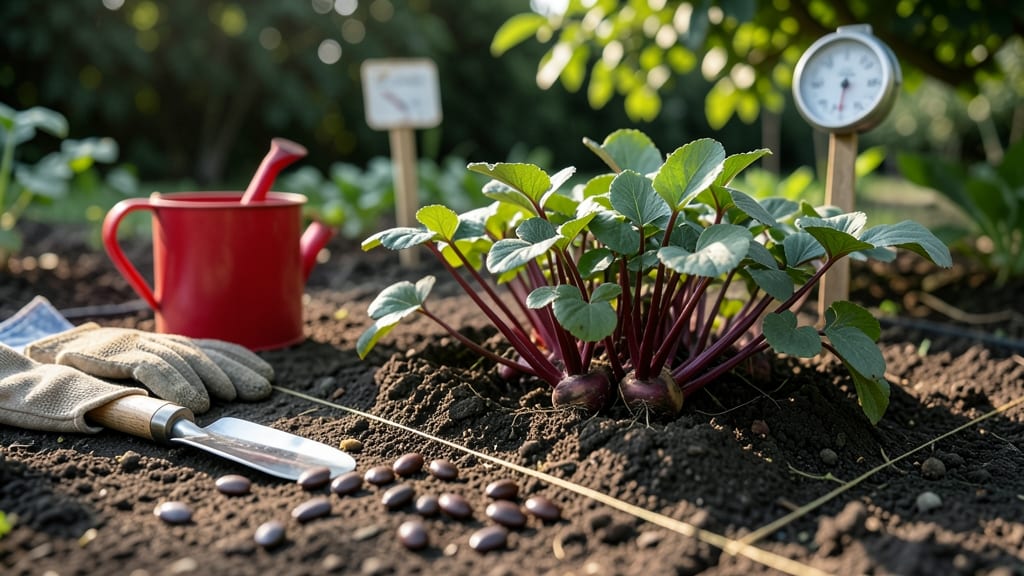
If you're wondering when to plant beets in Zone 8b, timing is the key to avoiding bitter roots and maximizing your harvest. Beets, with their earthy sweetness and vibrant colors, are a gardener's dream—but only if planted at just the right moment.
In Zone 8b, where winters are mild and summers can be hot, the ideal planting windows are early spring and late summer.
Planting in February or March gives your beets a head start before the heat sets in, while late summer sowings in August or September allow for a fall harvest before the first frost.
But here's the catch: skipping these windows can lead to bolting or tough, woody roots. I'll walk you through the exact steps to time your plantings perfectly, from soil prep to microclimate adjustments, so you can enjoy sweet, tender beets all season long.
Ready to grow your best beet crop yet? Let’s dive into the secrets of Zone 8b beet gardening—because the right timing makes all the difference!
Optimal planting times for beets in Zone 8b: spring vs. fall
In Zone 8b, where winters are mild and summers can get hot, timing your beet plantings is critical. Beets prefer cooler temperatures (60-70°F soil) to develop sweet, tender roots.
Plant too early, and they’ll bolt; too late, and they’ll taste bitter. Let’s break down the perfect windows for your region.
For spring plantings, aim to sow seeds 6-8 weeks before your last frost date (typically February to early March in Zone 8b). This gives seedlings time to mature before summer heat sets in.
In my garden, I start seeds indoors in late January to get a head start on the season.
🌱 Comparison Table: Spring vs. Fall Planting for Beets in Zone 8b
| Season | Planting Window | Soil Temp | Key Consideration | Harvest Time |
|---|---|---|---|---|
| Spring | February - Early March | 55-65°F | Avoid bolting with shade cloth if temps rise | April - June |
| Fall | August - Early September | 60-70°F | Use row covers for frost protection | October - November |
*Ideal soil temps prevent bolting and ensure sweet roots. Adjust dates based on your microclimate.
Fall plantings offer a second harvest opportunity. Sow seeds 8-10 weeks before your first frost (typically late August to early September). This timing ensures beets mature before winter sets in. I’ve found that Detroit Dark Red variety holds up well in cooler fall temps.
Zone 8b’s microclimates can vary dramatically. Coastal areas stay cooler longer, while inland spots heat up faster. If you’re in a hotter pocket, consider shade cloth for spring plantings or mulching to keep roots cool. My inland garden needs extra shade in May, while coastal friends plant a month later.
For successive plantings, sow seeds every 2-3 weeks during the ideal windows. This staggered approach ensures a continuous harvest. I plant my first batch in February, then repeat every 3 weeks until early April to stretch the season.
Soil temperature is more critical than air temperature. Use a soil thermometer to confirm it’s 55°F+ before planting. Cold soil delays germination, leading to uneven growth. I’ve wasted seeds planting too early when soil was still chilly—learn from my mistake!
If you miss the spring window, don’t despair. Late summer plantings can still yield sweet beets if you protect them from heat stress. Use lightweight row covers during the hottest part of the day to maintain ideal temps.
This trick has saved my summer harvests more times than I can count.
Remember, beet greens are edible too! If roots get too woody, harvest the greens instead. They’re packed with nutrients and add a nutty flavor to salads. I often let a few plants go to seed for next year’s garden—nature’s free seed starter!
Optimal planting times for beets in Zone 8b: spring vs. fall
In Zone 8b, where mild winters and hot summers create unique growing conditions, timing your beet plantings correctly is essential. Beets prefer cool soil temperatures (50-75°F) for optimal growth, making early spring and late summer the perfect windows to avoid heat stress or bolting.
The ideal planting months for beets in Zone 8b are February through March for spring plantings and August through September for fall harvests. These windows ensure your beets mature before summer heat or winter frost sets in, delivering sweet, tender roots.
Here’s a quick comparison to help you decide which window works best for your garden:
| Planting Window | Soil Temperature | Harvest Time | Key Considerations |
|---|---|---|---|
| Early Spring (Feb-Mar) | 50-65°F | April-June | Avoid bolting; use row covers if frost threatens. |
| Late Summer (Aug-Sept) | 60-75°F | October-November | Use shade cloth; mulch to retain moisture. |
For spring plantings, start seeds indoors 4-6 weeks before your last frost date (around February 15 in Zone 8b) to give them a head start.
Transplant seedlings outdoors once soil temperatures stabilize above 50°F. In contrast, fall plantings should be sown directly into the garden in August, allowing 60-70 days to mature before the first frost (around November 15).
If you’re in a microclimate with cooler nights, you can push your spring planting slightly later into March. Conversely, in hotter areas, opt for shade-tolerant varieties like 'Detroit Dark Red' to extend your fall harvest into early winter. Always monitor soil moisture—beets need consistent watering to prevent woody roots.
Pro tip: Mark your calendar for succession plantings every 2-3 weeks in spring and fall. This ensures a steady supply of fresh beets without overwhelming your garden at once. With the right timing, you’ll enjoy sweet, tender beets all season long!