
Plants
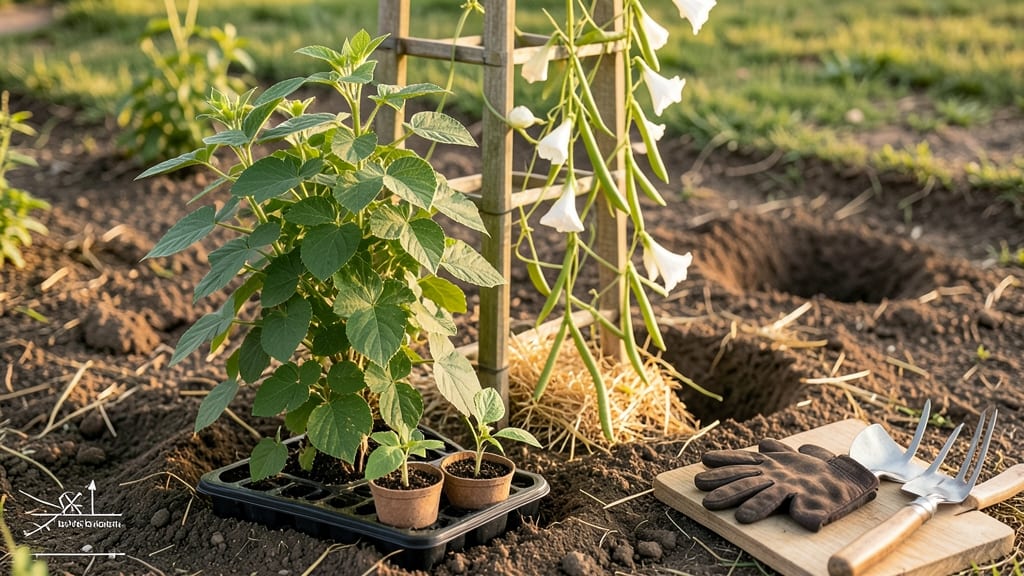
Timing your beans 🌱 planting in Oklahoma isn’t just about throwing seeds in the dirt—it’s the difference between a thriving harvest and wasted effort.
With Oklahoma’s USDA zones ranging from 6b to 8a, getting those planting dates right means avoiding frost damage or scorching summer heat that can kill your crop before it starts.
Most gardeners in Oklahoma know the basics—spring and fall are the sweet spots—but the devil’s in the details. Plant too early, and late frosts will nip your tender seedlings. Wait too long, and the brutal summer sun can stress your plants before they even produce.
I’ve tested these strategies over years in Oklahoma’s unpredictable climate, and the results speak for themselves: perfect timing leads to bigger yields and healthier plants.
In this guide, I’ll break down exactly when to plant your beans—whether you’re growing bush varieties for quick harvests or pole beans for towering vines—plus how to adjust for Oklahoma’s microclimates.
From soil temperature tricks to frost-free date calculations, you’ll learn the exact windows that work for your corner of the state, so you can enjoy fresh-picked beans from June through November.
Ready to turn your garden into a bean bonanza? Let’s dive into the step-by-step planting schedule that’ll have your plants thriving—and your table loaded with homegrown goodness—all season long.
Best planting times for beans in Oklahoma by variety (pole vs. bush)
Oklahoma’s USDA Zone 7b climate gives you two prime windows to grow beans: early spring and late summer. The key is timing your plantings to avoid late frosts in spring and scorching summer heat that can stress young seedlings.
For most bean varieties, aim to plant when soil temperatures hit 60°F—this ensures strong germination and faster growth.
Spring planting is ideal for bush beans, which mature quickly (typically 50-60 days) and produce pods before summer’s intensity peaks. Pole beans, on the other hand, benefit from late summer plantings when they can climb and produce through fall’s cooler temperatures.
Both strategies help maximize your harvest season.
Here’s the breakdown: March 15–April 30 for spring plantings and August 1–September 15 for fall. These windows align with Oklahoma’s average last frost date (March 15) and first frost date (November 15), giving you a full growing season in both cases.
🌱
Bean Planting Guide for Oklahoma
| Variety | Planting Window | Days to Maturity | Best for | Oklahoma Notes |
|---|---|---|---|---|
| Bush Beans (e.g., 'Blue Lake') | March 15–April 30 | 50–60 days | Spring harvest | Plant after last frost; avoid summer heat. |
| Pole Beans (e.g., 'Kentucky Wonder') | August 1–September 15 | 60–70 days | Fall harvest | Needs trellis; plant before heat subsides. |
| Lima Beans (e.g., 'Fordhook') | April 15–May 15 | 70–90 days | Summer harvest | Tolerates heat but needs consistent water. |
| Dry Beans (e.g., 'Rattlesnake') | March 1–April 15 | 80–100 days | Late summer/fall | Plant early; needs long season to mature. |
For bush beans, focus on the spring window (March–April) to ensure pods mature before summer’s heat sets in. These varieties are perfect for container gardening or small spaces, as they grow in compact bushes (typically 1–3 feet tall).
My favorite for Oklahoma gardens is 'Blue Lake', which thrives in our full-sun conditions and produces tender, flavorful pods in just 55 days.
If you’re growing pole beans, shift your focus to late summer (August–September).
These varieties need trellises or stakes to climb and produce pods over a longer period. 'Kentucky Wonder' is a top performer in Oklahoma, with vines reaching 6–8 feet and pods ready to harvest in 60–70 days.
The key here is to plant them early enough to establish roots before fall’s first frost.
Don’t overlook succession planting! For continuous harvests, sow bush beans every 2 weeks from March through May. This ensures you always have fresh pods ready to pick. In my garden, I’ve found that spacing plantings 10–14 days apart keeps the harvest going for 6–8 weeks without gaps.
For lima beans and dry beans, timing is critical. Lima beans like 'Fordhook' need to be planted in April–May to avoid heat stress, while dry beans like 'Rattlesnake' require an early start (March–April) to mature fully. Both varieties benefit from well-draining soil and consistent moisture, especially during flowering.
🌿
How to adjust planting dates for Oklahoma’s unpredictable weather patterns
Oklahoma’s weather can be as unpredictable as a summer storm, with late frosts in spring and sudden heatwaves that can stress young bean plants. To maximize your harvest, you’ll need to adjust planting dates based on real-time conditions—not just the calendar.
Start by checking your local last frost date, which can vary by 1-2 weeks across the state, with southern regions warming faster than northern areas.
For spring plantings, wait until the soil temperature consistently stays above 60°F—a critical threshold for bean germination. Use a soil thermometer to monitor this, especially in March and early April, when cold snaps can linger.
If frost warnings pop up after you’ve planted, cover seedlings with row covers or frost cloth to protect them until temperatures stabilize.
⚠️ Warning: Heat Stress Risk
Avoid planting beans in June or July—Oklahoma’s 90°F+ temperatures can cause beans to bolt (flower prematurely) or develop bitter pods. Instead, opt for late summer plantings (August-September) when days are slightly cooler.
For fall plantings, aim to sow seeds 8-10 weeks before the first frost, typically between August 1 and September 15. This timing ensures beans mature before cold snaps in November. Use fast-maturing varieties (like ‘Contender’ snap beans) to guarantee a harvest before frost.
In northern Oklahoma (USDA Zone 6b), start fall plantings earlier, while southern regions (Zone 8a) can push plantings into late September.
If you’re dealing with drought conditions, prioritize succession planting—sow small batches of seeds every 2-3 weeks from spring through early summer. This spreads out your harvest and reduces the risk of losing an entire crop to heat or dry soil.
Always water deeply in the morning to prevent fungal diseases like bean rust, which thrives in humid Oklahoma summers.
For pole beans, which take longer to mature, consider staggered plantings in both spring and fall.
Start the first batch in mid-April and follow with a second planting in late May to extend your harvest window. Bush beans, on the other hand, can handle slightly tighter planting windows—focus on 2-3 plantings in spring and 1-2 in fall for a steady supply.
Finally, keep an eye on weather forecasts and adjust your schedule as needed. Oklahoma’s unpredictable wind patterns can also affect pollination, so choose sheltered planting spots or use windbreaks if your garden is exposed.
With these adjustments, you’ll turn Oklahoma’s challenging climate into an advantage and enjoy a long, productive bean season. 🌿