
Plants
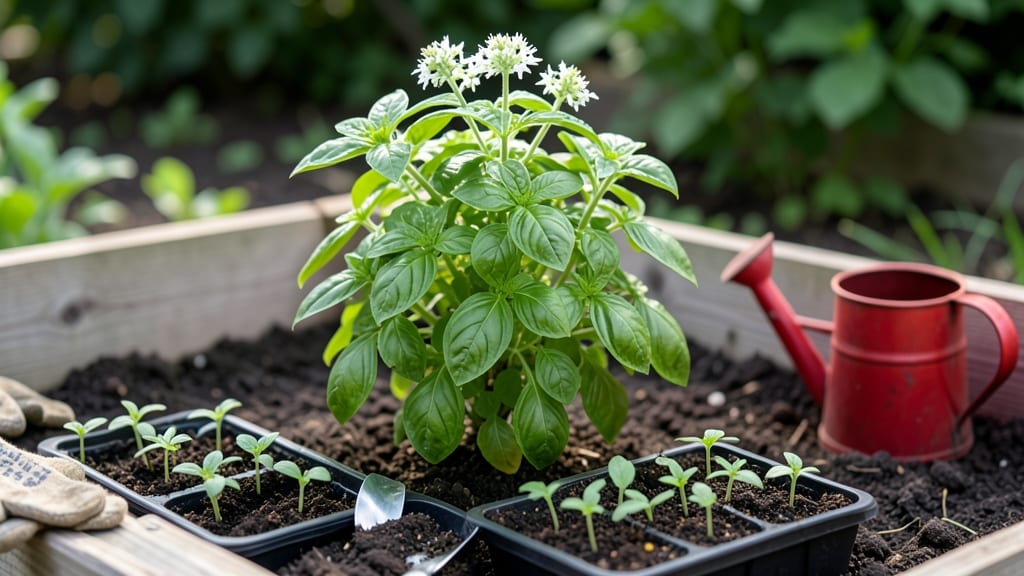
Knowing when to plant basil in California is the difference between a thriving 🌿 herb garden and a bitter, bolted disappointment. The Golden State’s wild climate swings—from coastal chill to inland heat—mean timing matters more than you’d think.
If you plant too early, your basil will race toward flowers before you’ve even harvested a few leaves. Too late, and summer’s scorching sun turns your plants into woody sticks. But here’s the good news: with the right approach, you can grow basil year-round in California’s diverse zones.
I’ll break down the exact planting windows for coastal, desert, and Central Valley regions—plus pro tips to avoid bolting and keep your basil lush. Whether you’re starting seeds indoors or sowing directly, this is how to beat California’s climate game.
Ready to grow basil that tastes fresh all season? Let’s dive into the microclimate secrets that’ll make your garden thrive.
California microclimate zones: the best planting dates by region
California’s diverse climate—from foggy coastal areas to scorching desert valleys—means basil planting times vary dramatically. In coastal regions like San Francisco, you can plant year-round with minimal risk, while inland deserts like Palm Springs demand precise timing to avoid heat stress.
Even the Central Valley and mountain foothills have unique windows to maximize your harvest.
To avoid bolting (when basil flowers prematurely and turns bitter), align your planting with local frost dates and temperature trends. Coastal areas rarely see frost, but inland regions can experience dangerous cold snaps as late as January 15. Use these region-specific guidelines to time your basil perfectly.
Here’s a breakdown of the best planting windows for California’s four key microclimates, including seed-starting indoors and direct sowing outdoors:
| Region | Indoor Seed Start | Outdoor Planting Window | Key Notes |
|---|---|---|---|
| Coastal (e.g., San Francisco, Santa Barbara) | Year-round (6-8 weeks before outdoor move) | January–December (avoid peak summer heat) | No frost risk; use shade cloth in summer. |
| Central Valley (e.g., Sacramento, Fresno) | February–March (8-10 weeks before last frost) | March 15–April 15 (spring) & September 1–October 15 (fall) | Last frost avg. Jan 15; summer heat bolting risk. |
| Desert (e.g., Palm Springs, Joshua Tree) | January–February (10-12 weeks before outdoor move) | February 15–March 15 (spring) & October 1–November 15 (fall) | Extreme heat; use containers for mobility. |
| Mountain Foothills (e.g., Lake Tahoe, Sierra Nevada) | March–April (8-10 weeks before last frost) | May 1–June 1 (spring) & August 15–September 15 (fall) | Cooler nights; watch for late frosts. |
For coastal gardeners, the key is avoiding midday summer sun (10 AM–4 PM), which can scorch leaves. Use dappled shade or row covers during peak heat. In desert regions, start seeds indoors in January to transplant by March, then move pots to shaded areas by June.
In the Central Valley, focus on spring and fall plantings to escape the 100°F+ summers. If you’re in mountain foothills, wait until after May 1 to plant outdoors, as late frosts can still hit.
Always check your local frost dates using the USDA Plant Hardiness Zone Map for precision.
Pro tip: Use succession planting every 2–3 weeks in spring and fall to ensure a continuous harvest. This works especially well in coastal and valley regions, where growing seasons are long.
For desert areas, prioritize container gardening to move plants indoors or under shade when temperatures exceed 90°F.
Remember, basil hates cold—even 50°F nights can stunt growth. If you’re in a frost-prone area, opt for Genovese or Sweet basil varieties, which are slightly more cold-tolerant than Thai or Lemon basil. Always harden off seedlings for 7–10 days before transplanting to avoid shock.
By tailoring your planting to your local microclimate, you’ll avoid the two biggest basil pitfalls in California: premature bolting from heat stress and stunted growth from cold snaps. With the right timing, you’ll enjoy fresh basil leaves from spring to fall—or even year-round in coastal zones!
How to extend basil’s growing season in California’s harsh climate
California’s climate is a double-edged sword for basil lovers. While coastal areas enjoy year-round growing potential, inland zones face scorching summers and chilly winters. The key to success? Extending your basil’s season with smart strategies that match your microclimate.
I’ve grown basil in both San Diego’s coastal warmth and Central Valley’s extreme heat, and these methods work in both. By combining succession planting, shade protection, and container gardening, you can harvest fresh basil for nearly 12 months—even in the harshest zones.
Here’s how to beat California’s climate and keep your basil thriving beyond the traditional growing window:
- 📅 Succession Plant: Start new seeds every 4-6 weeks from late winter to early fall. This ensures a continuous harvest as older plants bolt.
- 🌞 Use Shade Cloth: In inland areas, apply 30-50% shade cloth during peak summer heat (June-August) to prevent bolting.
- 🪴 Grow in Containers: Move pots to shaded patios or garages during extreme heat or frost. Use self-watering pots for consistency.
- 🌡️ Extend Winter Growth: In coastal zones, protect plants with row covers or cold frames to grow basil through mild winters.
- 💧 Adjust Watering: In summer, water morning and evening to prevent stress. In winter, reduce to once weekly unless frost is forecasted.
For coastal gardeners, focus on winter protection and fall planting. In desert climates, prioritize shade and containers to escape the heat. Even in mountain regions, you can grow basil in greenhouses or under row covers during cooler months.
One of my favorite tricks? Plant basil alongside taller plants like tomatoes or peppers. The taller plants provide natural shade during the hottest afternoon sun, while still allowing morning light for growth. This works especially well in inland valleys where summer temperatures can exceed 100°F.
With these strategies, you’ll enjoy fresh basil year-round, whether you’re in cool coastal Santa Barbara or scorching Palm Springs. The secret is adapting to your local climate—not fighting it.