
Plants
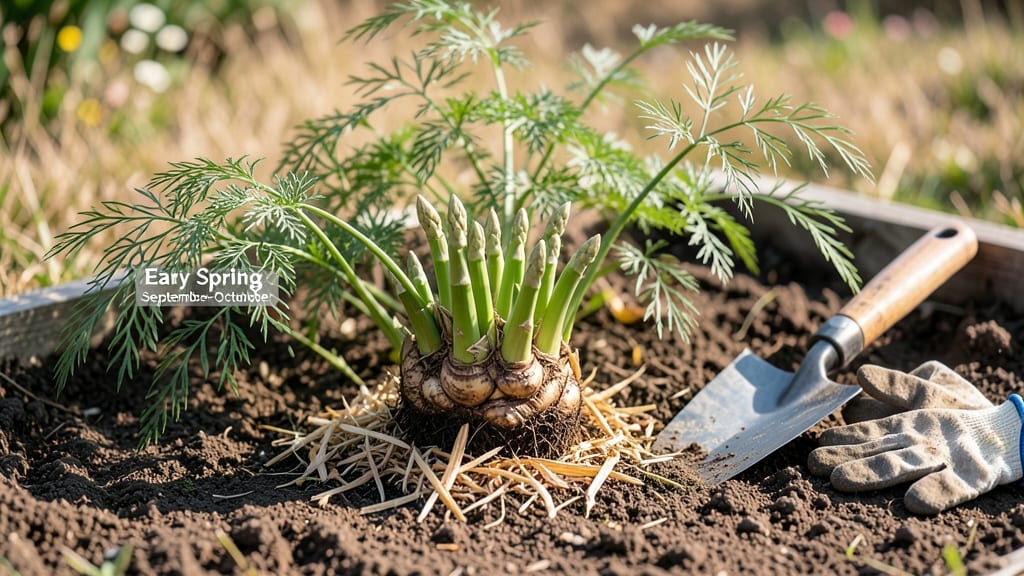
Timing your asparagus planting in Utah right could mean the difference between a thriving garden and a wasted season. With Utah's diverse microclimates—from high desert valleys to mountain slopes—getting the window perfect matters more than you might think.
Most gardeners in Zone 5b-7b know spring is the prime time, but Utah's unpredictable frost patterns demand precision. Plant too early, and your crowns could rot in cold soil; too late, and you miss the ideal March-April window when temperatures consistently stay above 50°F.
I've tested different approaches across Utah's varied elevations, and the key is understanding your specific frost dates. Whether you're in Salt Lake City or the Wasatch Front, we'll break down exactly when to plant for maximum success—and which cold-hardy varieties perform best.
Ready to grow asparagus that comes back stronger each year? Let's dive into the exact timing and techniques that work for Utah gardens, so you can enjoy fresh spears from late spring through early summer.
Best planting months for asparagus in Utah’s Zone 5-7 climate
Timing your asparagus planting in Utah’s Zone 5-7 is critical—get it wrong, and you’ll struggle with slow growth or frost damage. The ideal window is early spring, specifically March to April, when soil temperatures hover around 50-60°F.
This gives crowns time to establish roots before summer’s heat peaks.
Utah’s microclimates complicate things. In Salt Lake City (Zone 6), aim for late March planting, while St. George’s Zone 7b gardeners can start as early as February. Higher elevations (like Park City) may need to wait until April to avoid late frosts.
Fall planting is risky in Utah due to unpredictable winters. If you attempt it, plant 8-10 weeks before first frost (typically early October in most areas). However, asparagus crowns planted in fall rarely thrive in Utah’s harsh winters, so spring is your safest bet.
Always check your last frost date—Utah’s varies 1-2 weeks by region. For example, Provo’s last frost averages April 15, while Moab’s is often March 20. Plant 4-6 weeks before your local last frost to ensure healthy root establishment.
| Factor | Utah Spring Planting | Utah Fall Planting |
|---|---|---|
| Best Month | March-April | Early October |
| Soil Temp | 50-60°F | 55-65°F |
| Frost Risk | Low (post-last frost) | High (winter kill) |
| Root Establishment | 6-8 weeks | 4-6 weeks (limited) |
| Harvest Year | Year 3 | Year 4+ (often fails) |
Utah’s alkaline soils (pH 7.5-8.5) can stunt asparagus growth if not amended. Test your soil in early spring and adjust to pH 6.5-7.0 using sulfur or peat moss. This ensures your crowns access nutrients like phosphorus and nitrogen, critical for early root development.
Watering in the first 2 weeks after planting is non-negotiable. Utah’s dry springs can dry out soil quickly, so keep it consistently moist (1-1.5 inches per week). Use drip irrigation to avoid wetting foliage, reducing fungal risks like rust disease, common in Utah’s humid valleys.
If you’re in high-desert areas (e.g., Price or Richfieldmulching with straw after planting. This retains moisture and regulates soil temperature, which fluctuates 20°F+ between day and night. Mulch also suppresses weeds, giving your asparagus an uninterrupted 2-year growth period before harvest.
Pro tip: Plant asparagus crowns 12-18 inches apart in raised beds if your Utah garden has clay-heavy soil. Raised beds warm up faster in spring and drain better, accelerating root growth.
Just ensure beds are at least 6 inches deep—shallow beds can lead to crown rot in Utah’s wet springs.
Finally, avoid planting asparagus in low-lying areas where cold air pools. Utah’s mountain valleys (like Cache Valley) can experience late frosts in May, damaging tender shoots. Choose south-facing slopes for earlier warming and a longer growing season.
Best planting months for asparagus in Utah’s Zone 5-7 climate
Utah’s Zone 5b-7b climate creates a unique challenge for asparagus growers. Unlike coastal regions, Utah’s cold winters and hot summers demand precise timing. Most gardeners in Utah should aim for early spring planting—specifically March through April—when soil temperatures consistently stay above 50°F.
The last average frost date in Utah varies dramatically: mid-April in Salt Lake City but as late as May 1 in higher elevations like Park City. Planting too early risks crown rot from cold soil, while waiting too long can delay your first harvest by a year or more.
Here’s how Utah’s microclimates affect timing: Gardeners in St. George (Zone 7b) can plant as early as late February, while those in Logan (Zone 5b) should wait until mid-April. Even within the same city, elevation differences of 1,000 feet can shift the ideal window by 2-3 weeks.
| Utah Region | USDA Zone | Ideal Planting Window | Soil Temp Requirement | Last Frost Date |
|---|---|---|---|---|
| Salt Lake City | 6a-7a | March 15 - April 15 | 50°F+ | April 15 |
| St. George | 7b-8a | Late February - March 15 | 55°F+ | March 1 |
| Logan | 5b-6a | April 1 - April 30 | 50°F+ | May 1 |
| Park City | 5b-6b | April 15 - May 1 | 50°F+ | May 15 |
Fall planting is not recommended in Utah due to the risk of winter heaving—when soil freezes and expands, pushing crowns out of the ground. If you must plant in fall, do so 6-8 weeks before your first frost and use extra mulch (4-6 inches) to insulate the soil.
For maximum yield, Utah gardeners should plant asparagus 2-3 years before their first harvest.
This means if you plant in April 2024, you won’t harvest until spring 2026, but the payoff is decades of productivity—asparagus crowns can live and produce for 15-20 years with proper care.
Pro tip: Use a soil thermometer to confirm your soil is consistently above 50°F before planting. In Utah’s high desert, daytime temperatures can be misleading—soil stays cold much longer than air does.