
Plants
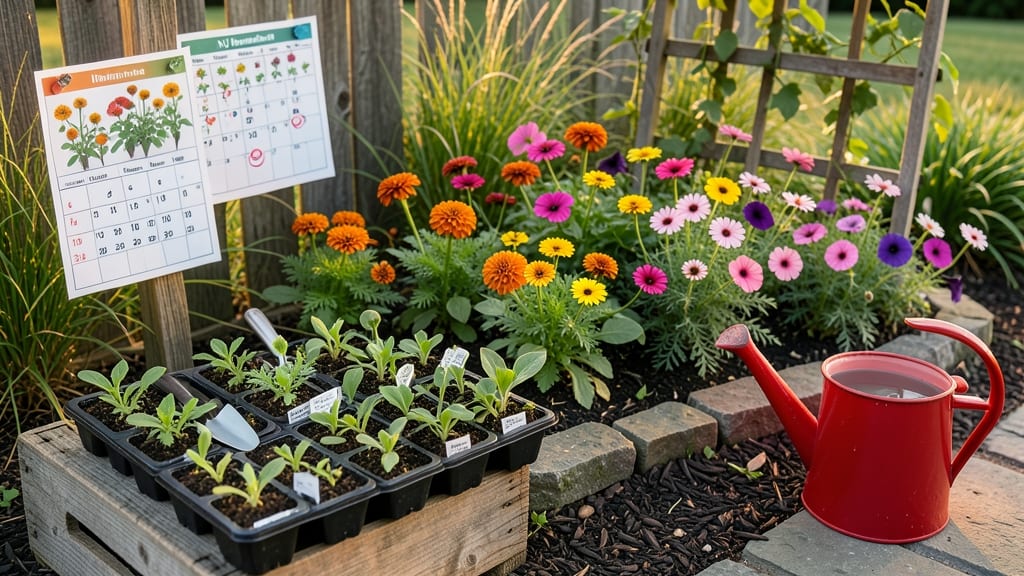
Timing your when to plant annuals in NJ just right means the difference between a garden bursting with color and one that fizzles before summer even arrives. New Jersey’s Zone 6b-7a climate throws a curveball—too early, and a late frost will turn your tender seedlings into sad, wilted souvenirs.
Too late, and the heat will leave your annuals struggling before they even get started.
I’ve spent years testing the perfect windows, and the key is knowing your last frost date—whether you’re in northern NJ (like Bergen County) or southern NJ (like Cape May).
Cool-season annuals like pansies and lettuce need to hit the soil 4-6 weeks before the average last frost, while heat-lovers like marigolds and zinnias should wait until the soil warms up in late May or early June.
But here’s the game-changer: even within NJ, microclimates mean your neighbor’s “perfect” planting time might not work for you. I’ll break down exact deadlines for both zones, plus pro tips for extending your growing season—so you can enjoy blooms from spring to fall without the guesswork.
Ready to skip the trial-and-error? Let’s dive into the frost-free planting schedule that’ll have your annuals thriving all season long.
NJ annual planting deadlines by last frost date (Zone 6b vs 7a)
New Jersey’s Zone 6b-7a climate creates a delicate balance—cool springs in the north and warmer microclimates in the south. The average last frost date ranges from April 15 in northern NJ (Zone 6b) to April 1 in southern NJ (Zone 7a), but Mother Nature doesn’t always follow the script.
Use these frost-free deadlines as your planting compass to avoid frost damage or wasted effort.
For cool-season annuals like pansies, lettuce, and spinach, start seeds indoors 6-8 weeks before your last frost date. In Zone 6b, that means mid-February, while Zone 7a gardeners can wait until early March.
Direct-sow hardy annuals like kale or radishes as soon as soil is workable—typically late March to early April—but always have row covers ready for late frosts.
🌱Pro Tip: Southern NJ’s earlier last frost lets you plant warm-season annuals (tomatoes, peppers) 2-3 weeks earlier than northern counties. Check your local USDA frost map for precise adjustments!
🌡️ NJ Planting Deadlines by Zone & Season
| Season | Zone 6b (North) | Zone 7a (South) | Key Annuals |
|---|---|---|---|
| Spring (Cool-Season) | Indoors: Feb 15 Outdoors: Apr 15 |
Indoors: Mar 1 Outdoors: Mar 25 |
Pansies, Lettuce, Spinach, Kale |
| Summer (Warm-Season) | After May 15 | After May 1 | Marigolds, Zinnias, Basil, Tomatoes |
| Fall (Cool-Season) | Aug 15 (6 weeks before first frost) | Sep 1 (6 weeks before first frost) | Snapdragons, Cosmos, Bush Beans |
⚠️ First frost dates: Zone 6b = Oct 31, Zone 7a = Nov 15
If spring’s unpredictable, use the "10-day rule"—wait until 10 days after your average last frost date to plant tender annuals like petunias or impatiens.
For example, if your last frost is April 15, hold off until April 25 to minimize frost risk. Southern NJ gardeners can push this to April 10 for early blooms!
🌿County-Specific Adjustments: Coastal areas (like Cape May) may see last frosts 2 weeks earlier than inland spots. Use NJ State Climate Office data to fine-tune your timeline.
For example, Bergen County (Zone 6b) might need to wait until May 1 for tomatoes, while Atlantic City (Zone 7a) can plant them by April 15.
For warm-season annuals, soil temperature matters more than air temperature. Use a soil thermometer—most annuals thrive when soil hits 60°F+. In Zone 6b, this usually aligns with mid-May, while Zone 7a can start as early as early April in protected microclimates (like near south-facing walls).
🔥Heat-Lover Hack: Pre-warm soil with black plastic mulch 1-2 weeks before planting to coax early starts for peppers or eggplants in cooler zones. Remove the plastic once plants are established to avoid overheating roots.
Don’t forget fall planting! NJ’s second growing season is often overlooked but perfect for cool-season annuals like pansies or calendula. Start seeds 6-8 weeks before your first frost (typically July-August), and enjoy color straight through winter.
Just cover young plants with frost blankets when temps dip below 30°F.
📅Backup Plan: Keep a planting journal for 2-3 years to track your local frost dates. Note when annuals like marigolds or zinnias bolt in summer heat—this helps you adjust future planting windows. Over time, you’ll create a custom NJ deadline calendar tailored to your microclimate!
Best annuals for NJ’s 6b-7a zones: heat tolerance & blooming seasons
Not all annuals thrive in NJ’s Zone 6b-7a swings—some wilt in summer heat, while others bolt in spring chill. I’ve tested the top performers that deliver nonstop blooms or harvests, from shade-tolerant impatiens to heat-loving okra.
The key? Matching varieties to your microclimate—whether you’re in cooler northern NJ or warmer southern NJ.
For spring color, prioritize pansies, snapdragons, and sweet peas—they handle light frosts and bloom until summer’s heat arrives. Swap them out in June for zinnias, marigolds, and petunias, which thrive in 80°F+ temps and repel pests like aphids.
Pro tip: Cosmos and sunflowers are drought-tolerant once established, making them low-maintenance stars for dry NJ summers.
Here’s how I rank them by heat tolerance, bloom duration, and NJ-specific challenges—so you can pick winners for your garden’s conditions.
For beginner-friendly picks, cosmos and alyssum are nearly foolproof—they self-seed, attract pollinators, and handle NJ’s humidity better than fussy annuals. But if you’re up for a challenge, okra and sweet potatoes reward patience with heat-loving harvests until fall’s first frost.
Watch out for NJ-specific pests: Japanese beetles devour roses and viburnums (and annuals too!), while slugs thrive in damp shade gardens. I’ve found neem oil sprays and diatomaceous earth work best for organic control—apply in early morning to avoid harming bees.
Pro move: Group annuals by water needs. Petunias and geraniums demand daily watering in summer, while lantana and verbena are drought-tolerant once established. Mulch with straw or shredded leaves to lock in moisture and keep roots cool during NJ’s scorching July afternoons.