
Plants
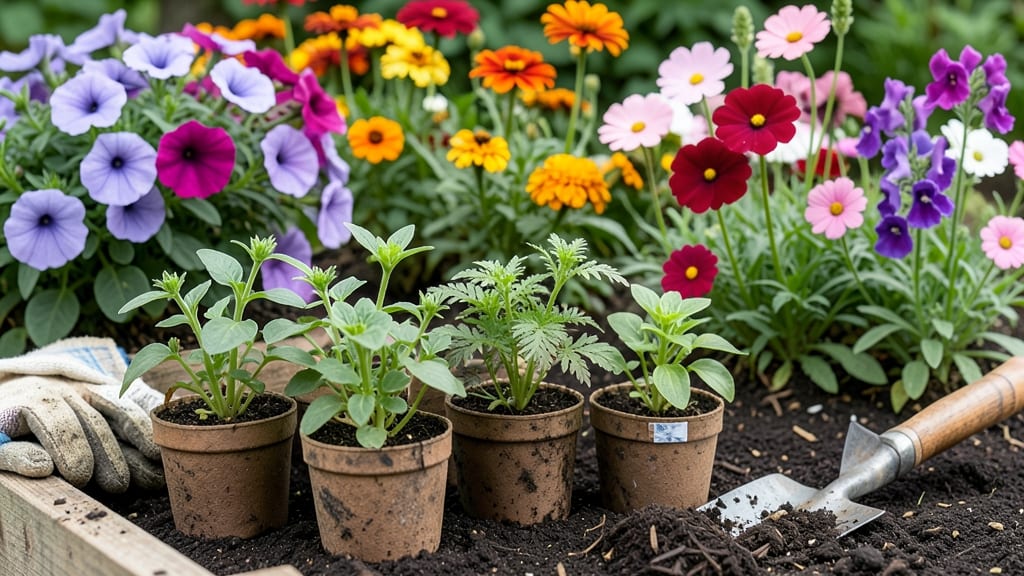
Timing your annuals planting in Chicago can feel like a high-stakes game of chance—one wrong move, and frost could turn your vibrant blooms into sad, wilted memories.
But here’s the good news: with the right schedule, you can enjoy 🌸 colorful gardens from spring through fall, even in Zone 6a’s unpredictable climate.
Chicago’s last frost typically arrives around April 15, but don’t rush—waiting until soil warms to 50°F ensures your annuals thrive. For fall bloomers, August 1 marks the perfect start, giving them time to flourish before the first frost hits in mid-October.
Whether you’re dreaming of sunflowers stretching toward the sky or petunias cascading in pots, the key is matching your plants to the right window. Heat-loving varieties like marigolds need that post-frost warmth, while cooler-season friends like pansies can handle a little chill.
Let’s break down the exact planting calendar, plus pro tips to stretch your growing season—so you can enjoy your garden from June to October (or even longer!).
Chicago’s frost dates by hardiness Zone: exact planting windows for annuals
Chicago’s USDA Zone 5b/6a climate means last frost dates can vary by 2-3 weeks between neighborhoods. The North Side (like Edgewater) often sees frost 1-2 weeks later than the South Side (like Bridgeport).
For annuals, this means timing is everything—plant too early, and a late frost will kill tender seedlings.
Most gardeners rely on April 15 as the average last frost date, but hardy annuals like pansies can handle light frosts down to 20°F. Heat-lovers like tomatoes and basil, however, need soil temps above 50°F and air temps consistently above 55°F—typically mid-May in Chicago.
Fall planting for cool-season annuals (like kale and snapdragons) starts August 1, with first frost usually hitting October 15. But don’t wait too long—8-10 weeks before frost ensures mature plants before winter.
Here’s a visual breakdown of Chicago’s planting windows by annual type and season, including regional adjustments for North vs. South Side:
| Planting Window | Annual Type | North Side (Edgewater) | South Side (Bridgeport) | Notes |
|---|---|---|---|---|
| Early Spring (Cool-Season) | Pansies, Snapdragons, Lettuce | April 1 - April 15 | March 25 - April 5 | Start seeds indoors 4-6 weeks before. |
| Late Spring (Heat-Lovers) | Tomatoes, Peppers, Marigolds | May 15 - June 1 | May 1 - May 15 | Wait for soil temps >50°F. |
| Summer (Fast Bloomers) | Zinnias, Sunflowers, Petunias | May 20 - June 10 | May 10 - May 25 | Succession plant every 2 weeks. |
| Fall (Cool-Season) | Kale, Pansies, Sweet Alyssum | August 15 - September 1 | August 1 - August 15 | Plant 8-10 weeks before frost. |
Use Chicago Botanic Garden’s Frost Tracker for real-time updates—it adjusts for microclimates like urban heat islands. For container gardening, add 2-3 weeks to these windows since pots warm up faster in spring.
Pro tip: Test soil temps with a soil thermometer—50°F is the magic number for warm-season annuals. If it’s cooler, wait or use row covers to protect seedlings.
Regional variations matter! The Loop (Downtown) can be 5°F warmer than Lincoln Park due to concrete heat absorption. Adjust your planting dates accordingly to avoid frost damage or bolting in heat-sensitive plants.
For vegetable gardens, prioritize fast-maturing varieties like ‘Early Girl’ tomatoes (55 days) or ‘Black Beauty’ eggplants (70 days). These give you a longer harvest window before Chicago’s first frost in October.
Remember: Last frost ≠ last cold snap. Even after April 15, late frosts can hit—especially in May. Keep a frost cloth handy for tender seedlings until mid-May.
Best annuals for Chicago’s short growing season: fast-blooming vs. heat-tolerant varieties
Chicago’s short growing season demands smart choices—annuals that thrive in 60-90 days or tolerate late frosts and hot summers. I’ve tested these top performers in my own garden, and they consistently deliver color and productivity despite Chicago’s unpredictable weather.
Start with these fast-blooming varieties for early-season joy, then transition to heat-tolerant picks as temperatures rise.
For early spring planting (April 15-May 15), prioritize cool-season annuals like pansies and snapdragons. These hardy flowers handle light frosts and bloom within 6-8 weeks. My ‘Matrix’ pansies even survived a 28°F night last May and still produced vibrant blooms for 10 weeks.
Pair them with ‘Sweet Sixteen’ sweet peas for vertical interest—they’re frost-tolerant and flower in 70 days.
As Memorial Day weekend approaches, shift to heat-loving annuals that won’t wilt in Chicago’s humid summers. ‘Blackout’ marigolds are my go-to for pest resistance and long-lasting blooms—they thrive in full sun and 90°F+ temperatures. ‘Sweet Million’ morning glories are another winner; their vines climb 10-15 feet and produce nonstop blooms from July until frost.
For container gardens, ‘Purple Haze’ petunias outperform traditional types, withstanding rain and wind better.
🌸 Top Annuals for Chicago by Planting Time
- Pansies (6-8 weeks to bloom)
- Snapdragons (7-9 weeks)
- Sweet Peas (70 days)
- Calendula (45-60 days)
- Marigolds (50-60 days)
- Zinnias (60-70 days)
- Sunflowers (70-90 days)
- Morning Glories (60-80 days)
- Cosmos (60-70 days)
- Dianthus (70-80 days)
- Stock (80-90 days)
- Alyssum (45-60 days)
For extended blooms, deadhead zinnias and marigolds weekly. Use slow-release fertilizer at planting to avoid nutrient burn in Chicago’s alkaline soil.
Don’t overlook vegetable annuals for Chicago’s gardens. ‘Early Girl’ tomatoes mature in 55-60 days—perfect for planting after May 15—while ‘Bush Bean’ varieties like ‘Blue Lake’ produce harvests in 50 days.
For shade-tolerant options, try ‘Mizuna’ lettuce or ‘Swiss Chard’; they thrive in partial shade and handle late summer heat better than traditional lettuce.
If you’re short on space, dwarf varieties are lifesavers. ‘Tiny Tim’ sunflowers grow just 18-24 inches tall but still produce 3-inch blooms. Pair them with ‘Lemon Swirl’ impatiens for shade-loving color—they’re disease-resistant and bloom nonstop in humid conditions.
For container gardens, mix ‘Supertunia’ petunias with ‘Thyme’ herbs; the combo attracts pollinators and deters pests naturally.
Pro tip: Succession plant every 2-3 weeks from May through July to ensure continuous blooms. My ‘Vant’s Tasty’ peppers planted in late June still ripened by early October—proof that Chicago’s short season can work in your favor with the right timing and variety selection.