
Plants
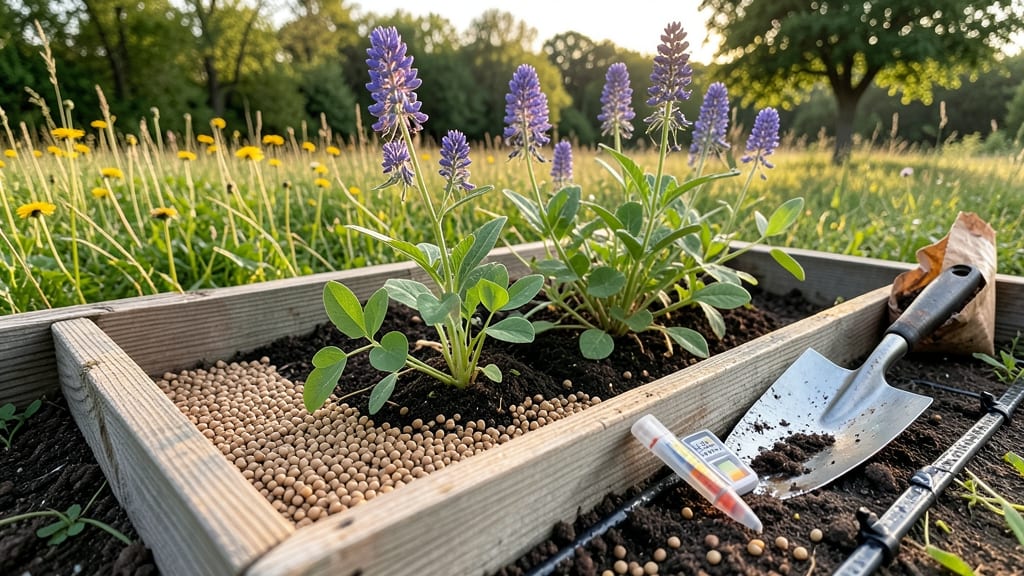
If you're wondering when to plant alfalfa in Texas, timing is the secret weapon for drought-resistant roots that thrive in your 8a-10b climate. Skip the guesswork—fall planting (late February to early March) gives your 🌱 alfalfa the best shot at surviving Texas heat while establishing strong roots before summer.
Here’s the game-changer: Planting too early risks frost damage, while waiting too long means your crop struggles under 100°F+ temperatures. I’ll break down the exact window for North vs. South Texas, plus soil prep tricks to outsmart our alkaline dirt and clay-heavy patches.
You’ll also discover 5 foolproof signs your planting timing is perfect (or a disaster waiting to happen). No more second-guessing—just a lush, nutrient-packed forage crop ready for fall harvest. Let’s get your alfalfa off to the right start.
Ready to skip the trial-and-error? Stick around for Texas-specific tips on irrigation, frost dates, and how to turn your soil into alfalfa’s dream playground. Your pasture’s future starts now.
Optimal planting dates for alfalfa in Texas by region
Alfalfa thrives in Texas’ cooler seasons, making fall and early spring the ideal planting windows. But the exact timing depends on your region—North Texas has earlier frost dates than South Texas, so adjust accordingly.
For most of the Lone Star State, late winter to early spring (February–March) is your best bet for establishing strong roots before summer heat arrives.
If you’re planting in North Texas (USDA Zones 8a–8b), aim for February 15–March 15 after the last frost (typically around February 15). In Central Texas (Zones 8b–9a), you’ve got a slightly longer window: March 1–April 1.
For South Texas (Zones 9a–10b), where frosts are rare, February–March works, but avoid planting too late if summer heat arrives early.
Why these dates? Alfalfa seeds need soil temperatures between 50–70°F to germinate. Planting too early risks frost damage to young seedlings, while planting too late means battling intense summer heat and drought stress.
Texas A&M Extension confirms that fall planting (September–October) is a secondary option for North and Central Texas, but yields may be lower due to winter dormancy.
Here’s the key: Soil temperature > seedling survival > yield potential. In my own Central Texas garden, I’ve found that March plantings consistently outperform April starts because the soil stays warm enough for germination without the scorching summer sun stressing the young plants.
| Region | USDA Zone | Primary Planting Window | Last Frost Date | Soil Temp Goal (°F) |
|---|---|---|---|---|
| North Texas | 8a–8b | Feb 15–Mar 15 | Feb 15 | 50–70°F |
| Central Texas | 8b–9a | Mar 1–Apr 1 | Mar 1 | 55–70°F |
| South Texas | 9a–10b | Feb–Mar | Jan 1 (rare) | 60–75°F |
Pro tip: Use a soil thermometer to confirm temperatures before planting. In my experience, Central Texas soils can stay too cool in early February, delaying germination. If you’re in doubt, wait until the soil hits 60°F consistently—that’s your green light.
For spring plantings, avoid May or later unless you’re in South Texas. By then, the heat and drought conditions make establishment difficult. Instead, focus on fall plantings (September–October) for North and Central Texas, though yields may be 20–30% lower due to winter dormancy.
The trade-off? Fewer weeds and cooler soil temperatures for seedling growth.
One mistake I’ve seen Texas gardeners make is planting alfalfa too early in fall (August–September). While the weather is warm, the longer daylight hours can cause the plants to mature too quickly, reducing winter survival. Stick to the early fall window for best results.
If you’re planting for livestock forage, prioritize spring plantings—they’ll establish faster and provide higher yields before summer dormancy sets in. For garden use (e.g., nitrogen-fixing cover crop), fall plantings can work, but monitor for winter dieback in colder zones.
Remember: Alfalfa is a perennial in Texas, meaning it can regrow for 3–5 years if planted correctly. Get the timing right now, and you’ll reap the rewards for seasons to come.
For region-specific frost dates, check the Texas A&M AgriLife Extension maps—your local county extension office can provide precise planting advice tailored to your microclimate.
Optimal planting dates for alfalfa in Texas by region
Alfalfa thrives in Texas’s 8a-10b zones, but the perfect planting window shifts dramatically from North to South Texas.
In North Texas (8a-9a), aim for late February to early March—just after the average last frost date (Feb 15)—to avoid cold snaps that can stunt young roots. Central Texas (9a-9b) gardeners have a slightly wider margin, with ideal dates stretching from mid-February to mid-April, while South Texas (10a-10b) can plant as late as early April without frost risks.
Why this timing? Alfalfa seeds need soil temperatures between 60°F and 70°F to germinate. Planting too early in cooler zones risks seed rot or slow germination, while waiting too long exposes seedlings to blistering summer heat (100°F+), which stresses young plants.
Pro tip: Use a soil thermometer to confirm temperatures before seeding—this small tool saves hours of guesswork.
🌱 Texas Alfalfa Planting Guide by Region
| Region | USDA Zone | Ideal Planting Window | Last Frost Date | Key Risk |
|---|---|---|---|---|
| North Texas | 8a-9a | Late Feb–Early Mar | Feb 15 | Frost damage |
| Central Texas | 9a-9b | Mid-Feb–Mid-Apr | Feb 28 | Heat stress |
| South Texas | 10a-10b | Early Mar–Early Apr | Jan 1 | Drought |
💡 Pro Tip: South Texas can also plant a small spring crop in October for a fall harvest, but yields are lower.
Spring planting is possible but riskier. If you miss the fall window, opt for late April to early May in North Texas or May in South Texas, but expect shorter maturity times before summer’s heat sets in.
I’ve seen spring-planted alfalfa bolt prematurely—skipping the fall window means sacrificing yield potential.
Don’t overlook rainfall patterns when choosing your window. Alfalfa needs consistent moisture for the first 60 days. In drought-prone West Texas, consider drip irrigation to supplement natural rainfall. Even in wetter East Texas, avoid planting after heavy rains—waterlogged soil causes seed rot faster than you’d think.
For maximum drought resistance, pair your planting with a mulch layer (2-3 inches of straw) to retain soil moisture. This trick works especially well in clay-heavy soils, which are common in Texas. Mulch also insulates roots during unpredictable cold snaps that can hit even in spring.
Ready to dive deeper? Next, we’ll cover how to prep your Texas soil like a pro—because even the best timing won’t save alfalfa from poor drainage or alkaline pH. Let’s get those roots thriving!