Planting
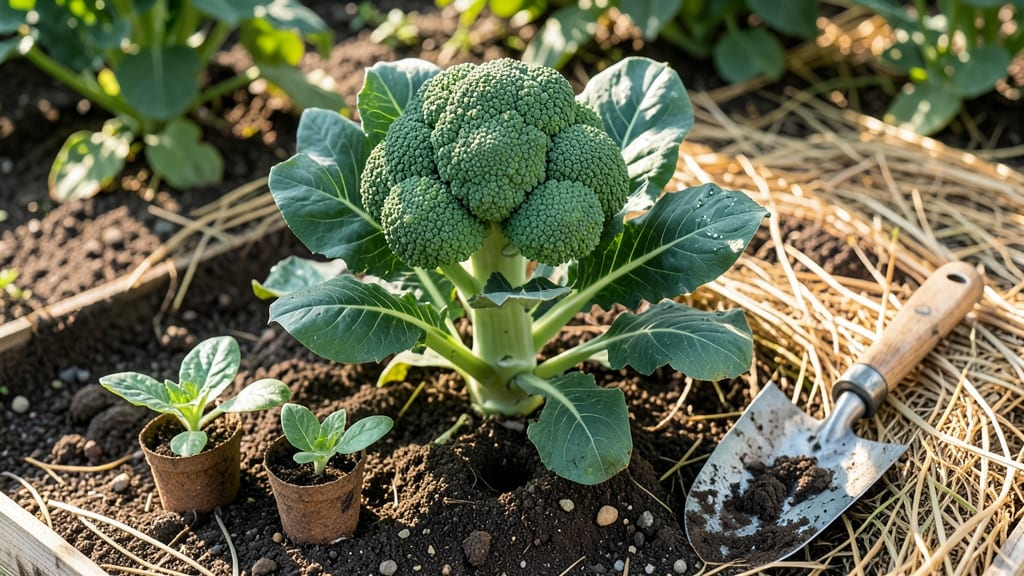
Planting a winter garden in Florida might seem tricky—after all, the Sunshine State isn’t exactly known for its chilly seasons. But with the right timing, you can beat the heat and enjoy a thriving harvest of leafy greens, root vegetables, and herbs when most gardens are wilting.
I’ve learned the hard way that planting too early risks frost damage, while waiting too long means battling summer humidity. The key is a 3-month window that balances cooler temps and lower pests.
Whether you’re in North Florida’s Zone 8 or South Florida’s Zone 10, I’ll break down the exact months to start your winter crops for maximum success.
From broccoli to carrots, some plants thrive when seeded in September, while others need a December start. I’ll share the best crops for your region and how to extend your growing season without risking frost. Ready to grow fresh, homegrown veggies when your neighbors are sweltering?
Let’s dive into the secrets of Florida’s winter garden—where cooler weather meets smart planting for a harvest that’ll make your summer garden look like a distant memory.
Optimal planting months for Florida’s winter garden (and why timing matters)
Florida’s winter garden thrives when planted between mid-September and mid-November. This window balances soil warmth and cooling temperatures, giving seedlings time to establish roots before frost risks peak.
Planting too early (before September 15) exposes crops to lingering summer heat, while late plantings (after November 15) may face early spring warmth that stresses cool-season varieties.
Florida’s microclimates complicate timing: North Florida (Zones 7b-8a) faces earlier frost threats, while South Florida (Zones 9b-10a) enjoys milder winters. For example, Panhandle gardeners should plant by October 1 to avoid unexpected 28°F dips, whereas Miami gardeners can extend planting until December 1 with minimal frost risk.
The soil temperature is your best guide: Aim for 60-70°F at 4 inches deep. Use a soil thermometer to verify—cool soil slows germination, while warm soil risks bolting in greens like lettuce.
I’ve seen spinach seeds take 3 weeks to sprout in 55°F soil, compared to 5 days in ideal conditions.
Frost dates vary wildly across Florida. The average first frost in Jacksonville arrives December 15, while Tallahassee sees frost by November 20. South Florida’s frost-free zone (Zones 10-11) rarely drops below 35°F, letting gardeners push winter crops into March with protection.
Planting too late (after November 30) risks heat stress as temperatures climb. I’ve watched broccoli bolt into flower within 10 days when planted in December—a bitter lesson! Prioritize fast-maturing varieties (like ‘De Cicco’ radishes, ready in 25 days) if extending the season.
Florida’s humidity also plays a role: High moisture in December-January increases fungal diseases like downy mildew. Space plants 12-18 inches apart for airflow and avoid overhead watering. My kale plants thrived in October but succumbed to black spot when planted in January due to poor air circulation.
| Region | Ideal Planting Window | Frost Risk | Soil Temp Goal |
|---|---|---|---|
| North Florida (Zones 7b-8a) | Sep 15–Oct 15 | High (Dec 15) | 60–68°F |
| Central Florida (Zones 8b-9a) | Sep 20–Nov 1 | Moderate (Jan 10) | 62–70°F |
| South Florida (Zones 9b-11) | Oct 1–Dec 15 | Low (Rare) | 65–72°F |
For container gardening, timing shifts slightly: Pots warm faster and cool quicker. Plant 2 weeks earlier than in-ground beds to compensate. I’ve grown ‘Winter Density’ lettuce in 5-gallon pots on my balcony from October 1–March 1 by moving containers to shaded patios during 90°F days.
Watch for heat waves in December-January, which can spike temperatures 10°F above average. Use shade cloth (30-50% coverage) to protect seedlings. My collard greens bolted in January 2023 during a 7-day heatwave—a reminder that Florida’s winter isn’t always mild.
Pro tip: Direct-sow hardy crops (like carrots and radishes) in September for early harvests, then transplant seedlings of slower growers (like cauliflower) in October-November. This staggered approach ensures continuous harvests from November to April.
Remember, Florida’s winter garden isn’t just about avoiding frost—it’s about balancing cool nights with warm days. The 3-month window (Sep-Nov) exists for a reason: It’s the sweet spot where your plants thrive without stress.
Miss it, and you’ll be fighting heat stress or frost damage instead of enjoying fresh greens.
Best winter crops for Florida and their ideal planting dates
Florida’s winter garden thrives with the right crops planted at the right time. I’ve grown leafy greens, root vegetables, and herbs for years, and these 10 cold-hardy varieties consistently deliver.
Each has a specific planting window to avoid frost or summer heat stress. Let’s dive into the best options and their ideal schedules.
For fastest harvests, prioritize bush beans and radishes, which mature in 30-40 days. These are perfect for impatient gardeners eager to taste homegrown goodness early in the season. Plant them in September or early October for a quick reward before cooler weather sets in.
Here’s my curated list of top winter crops, their ideal planting dates, and why they work so well in Florida’s climate:
Plant in September–October for harvests before frost. Choose heat-tolerant varieties like 'Black Seeded Simpson' lettuce or 'Winterbor' kale.
Start seeds in September or transplant October–November. 'Calabrese' broccoli and 'Snowball' cauliflower thrive in Florida’s mild winters.
Sow in September–October for harvests in 100–120 days. Loosen soil to prevent forked roots—Florida’s clay can be tricky!
Plant in October–November. These cool-loving climbers need trellises and tolerate light frosts better than most Florida crops.
Sow every 2–3 weeks from September–December for continuous harvests. 'Cherry Belle' radishes mature in just 25 days!
Plant onion sets in November–December and garlic cloves in January for summer harvests. Florida’s mild winters are perfect for these bulbs.
Sow in September–October for fresh flavors. Cilantro bolts quickly in heat, so timing is critical—harvest leaves before flowers appear.
Pro tip: For South Florida (Zones 10–11), you can extend planting into December for crops like collard greens and mustard greens, which handle brief cool snaps. In North Florida (Zones 8–9), stick to September–October to avoid early frosts.
Remember, succession planting is your friend. Sow fast-maturing crops like radishes or lettuce every 2 weeks to ensure a steady supply. This method keeps your winter garden productive without overwhelming you with harvests all at once.
Now that you know the best crops and their planting windows, let’s talk about how to protect your garden from Florida’s unpredictable winter surprises—like those rare frost warnings that can sneak up on you. 🌱