
Planting
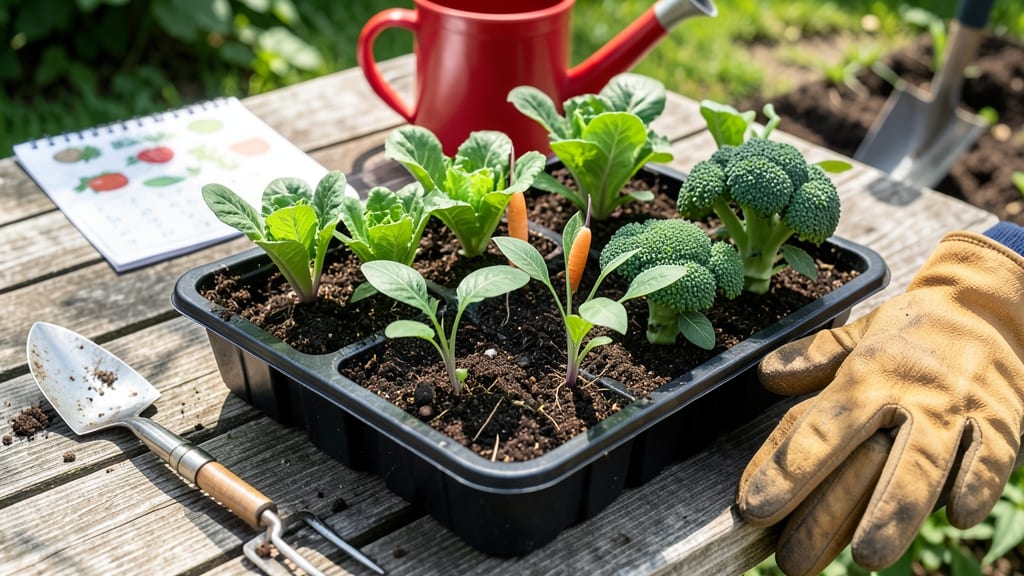
Planting your vegetable garden in California at the wrong time can turn your crisp lettuce into bitter greens or send your onions bolting before you even taste them. With 14 distinct microclimates—from foggy coastal areas to scorching deserts—the "perfect" planting window varies wildly by region.
I’ve grown gardens in both the Central Valley’s heat and San Francisco’s chilly coastal zone, and the difference in timing is everything. Skip this step, and you’ll either wait months for harvests or watch your plants struggle in conditions they weren’t built for.
Let’s break down the exact months to plant for your specific corner of California.
Whether you’re a first-time gardener or a seasoned green thumb, knowing when to start seeds indoors versus transplanting outdoors can mean the difference between a thriving garden and a disappointing failure.
I’ll share the science-backed deadlines for cool-season crops like broccoli and warm-season favorites like tomatoes, so you can plan ahead.
Ready to avoid the common mistakes that waste time and money? By the end of this guide, you’ll have a clear, zone-specific roadmap to plant your vegetable garden at the ideal moment—no more guessing, no more wasted effort. Let’s get growing!
California planting zones explained: when to start seeds vs. transplants by region
California’s 14 distinct microclimates mean one planting schedule won’t work everywhere. The coastal fog belt (like San Francisco) has milder winters and cooler summers, while the Central Valley (Sacramento, Fresno) can hit 100°F+ by June.
Desert regions (Palm Springs, Death Valley) have extreme heat year-round, and mountain areas (Lake Tahoe) face early frosts.
To simplify, we’ll break it down by three key regions with their last frost dates, heat thresholds, and ideal planting windows. Cool-season crops (lettuce, broccoli, peas) thrive in 40–65°F soil, while warm-season crops (tomatoes, peppers, cucumbers) need 60–85°F soil.
Timing these right avoids bolting (premature flowering) or heat stress.
Here’s how to match your local microclimate to the perfect planting window for both direct seeding and transplanting. Use these USDA zone adjustments as a starting point, then fine-tune with local frost data from your county agricultural extension.
California Planting Zones: Key Details
| Region | USDA Zone | Last Frost Date | First Frost Date | Cool-Season Window | Warm-Season Window |
|---|---|---|---|---|---|
| Coastal (San Francisco, Santa Barbara) | 9b–10a | Dec 15–Jan 15 | Nov 1–Dec 15 | Oct–Mar | Apr–Sep |
| Central Valley (Sacramento, Fresno) | 9a–10a | Feb 15–Mar 15 | Nov 15–Dec 15 | Sep–Feb | Mar–Oct |
| Desert (Palm Springs, Death Valley) | 9b–11a | Feb 1–Mar 1 | Nov 15–Dec 15 | Oct–Feb | Mar–Nov |
| Mountain (Lake Tahoe, Sierra Nevada) | 5b–7b | May 15–Jun 1 | Sep 15–Oct 15 | May–Aug | Jul–Sep |
*Adjust dates 2–4 weeks earlier for high-elevation areas or later for urban heat islands.
For coastal areas, start cool-season crops like kale and spinach in late summer (August) for fall/winter harvests. The mild winters allow year-round leafy greens, but avoid planting in July–August when heat stress causes bitterness.
In the Central Valley, where summers are scorching, prioritize warm-season crops like tomatoes and peppers in March–April for harvests before July. Succession plant every 2–3 weeks to avoid overwhelming heat. Cool-season crops must go in September–October to mature before first frost.
The desert is trickier—nighttime temps can drop 30°F+ below daytime highs. Direct-seed heat-loving crops like okra and sweet potatoes in March, but protect seedlings with row covers until soil warms. Cool-season crops like carrots and radishes thrive in winter when days are cooler.
Mountain regions have short growing seasons—focus on fast-maturing varieties like bush beans (50–60 days) and radishes (25–30 days). Start transplants indoors in March and harden off by May to beat the early frost. Cold-hardy crops like cabbage
Month-by-month planting schedule for zero-bolt vegetables in California
California’s 12-month growing potential means you can harvest year-round, but timing is everything. Cool-season crops like spinach and peas thrive in winter, while warm-season tomatoes and peppers demand spring heat. Here’s your month-by-month breakdown to avoid bolting and maximize yields.
Start with winter sowing (October–December) for kale, peas, and Brussels sprouts. These crops handle cooler temps and even light frosts. In January–February, add lettuce and carrots, but watch for overheating in coastal areas—shade cloth helps.
Spring (March–May) is your transition zone. Plant broccoli and cauliflower early, then shift to beans and corn as soil warms. Succession plant every 2 weeks for continuous harvests. Peppers and eggplants need soil temps above 60°F—wait until late April in Central Valley zones.
Summer (June–August) is for heat-lovers. Tomatoes, cucumbers, and okra thrive, but provide afternoon shade in coastal fog belts (e.g., Santa Barbara) to prevent sun scald. Drip irrigation is a must—overhead watering causes fungal diseases in this humidity.
Fall (September–November) lets you reclaim space for cool-season crops again. Garlic and onions planted in October mature by next summer. Spinach and radishes grow fast—ideal for succession planting every 3 weeks. Row covers extend harvests into December in desert regions (e.g., Palm Springs).
For high-altitude areas (e.g., Mount Shasta), delay warm-season crops by 2–3 weeks. Desert regions (e.g., Death Valley) can plant spring crops in November—just irrigate deeply to cool soil. Coastal fog zones (e.g., San Francisco) may need row covers in winter to protect from chilly winds.
Track your local frost dates (check USDA maps or local Cooperative Extension offices) and adjust by 1–2 weeks based on microclimates. Heat-wave alerts? Move shade cloth earlier—bolting happens fast in 90°F+ temps. With this schedule, you’ll harvest year-round without wasted effort or bitter greens.