
Planting
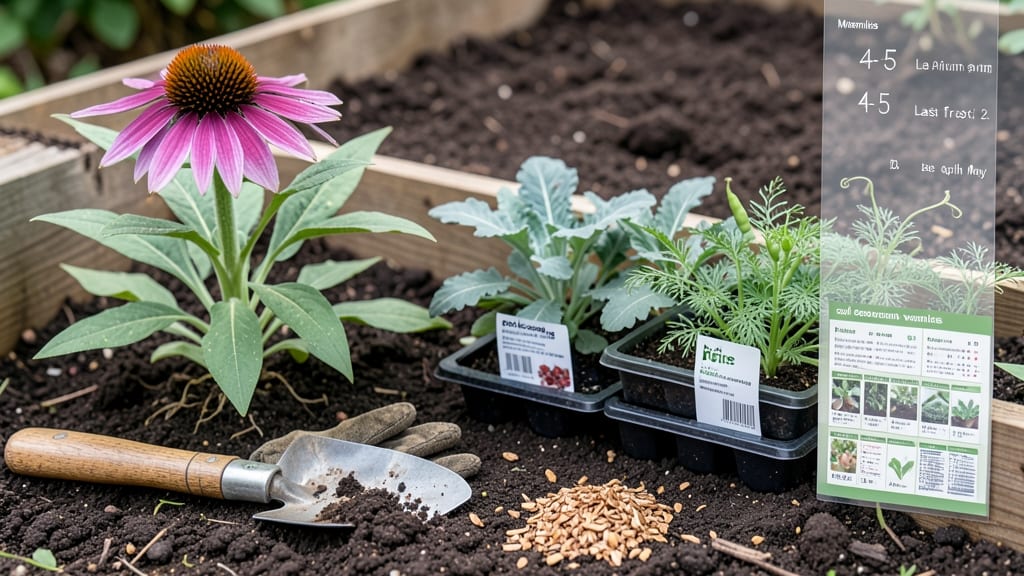
Timing when to plant a garden in Minnesota just right means the difference between a thriving harvest and a frost-killed disappointment. The perfect planting window depends on your zone, but getting it wrong can leave you scrambling—or worse, staring at a blank patch of dirt by summer.
I’ve spent years tracking frost dates across Minnesota’s USDA Zones 3-5, and here’s what I’ve learned: Cool-season crops like spinach and peas can handle early spring soil, while tomatoes and peppers need to wait until after the last frost—usually mid-May to early June in most areas.
But those dates shift north to south, and one wrong move could ruin your whole season.
What if you could skip the guesswork? This guide breaks down exact planting times for your zone, plus pro tips to stretch your growing season without risking frost.
Whether you’re a beginner or a seasoned gardener, you’ll finally know when to plant your garden in Minnesota—so you can enjoy fresh veggies from your 🌱 patch all summer long.
Ready to ditch the last-minute panic? Let’s dive into the frost dates, crop calendars, and tricks that’ll turn your Minnesota garden into a productivity powerhouse—no matter where you live in the state.
Minnesota frost dates & planting zones: what you need to know before starting
Minnesota’s gardening calendar revolves around two critical dates: the average last spring frost and the first fall frost. These dates separate your cool-season crops (like peas and spinach) from warm-season crops (like tomatoes and peppers).
In Minnesota, these dates vary dramatically—from May 15 in southern zones to June 10 in the north for spring, and September 15 in the south to September 1 in the north for fall.
Understanding your USDA Plant Hardiness Zone (3a-5b) is equally important. Zone 3a (northern MN) has shorter growing seasons, while Zone 5b (southern MN) offers more flexibility.
For example, Zone 4b gardeners can plant peas as early as April 15, but Zone 3a gardeners should wait until May 1 to avoid frost damage. The difference between zones can mean the difference between a thriving garden and a failed crop.
Here’s how to use this information: Cool-season crops (spinach, lettuce, kale) can handle light frosts and should be planted 4-6 weeks before your last frost date. Warm-season crops (tomatoes, peppers, cucumbers) need to wait until 2 weeks after your last frost when soil temperatures reach at least 60°F.
For Minnesota, this typically means waiting until mid-May in the south and early June in the north.
🌱 Minnesota Planting Zones & Frost Dates by Region
| Zone | Last Spring Frost | First Fall Frost | Cool-Season Planting Window | Warm-Season Planting Window |
|---|---|---|---|---|
| Zone 3a (North MN) | June 10 | September 1 | April 15 - May 1 | June 15 - July 1 |
| Zone 4a (Central MN) | May 25 | September 15 | April 1 - May 10 | May 15 - June 1 |
| Zone 4b (Southern MN) | May 15 | September 25 | March 20 - May 1 | May 1 - May 15 |
| Zone 5a (Southeast MN) | May 10 | October 1 | March 1 - April 30 | April 20 - May 10 |
*Dates are averages; check local almanacs for yearly updates.
Don’t rely solely on zone averages—microclimates play a huge role. South-facing slopes warm up faster, while low-lying areas stay colder longer. If you’re in a Zone 4b microclimate but notice your garden stays cooler, adjust planting times by 1-2 weeks later.
Conversely, urban areas with heat islands can plant warm-season crops 10-14 days earlier than rural zones.
Pro tip: Use frost-free date calculators like the National Oceanic and Atmospheric Administration (NOAA) maps or local extension office data. These tools provide historical frost dates for your exact location, not just your zone.
For example, Duluth (Zone 3b) might have a last frost date of June 5, while nearby Hinckley (Zone 4a) averages May 20—a 15-day difference that matters for your tomatoes!
For container gardening or raised beds, you can push planting dates slightly earlier because soil warms faster. However, always harden off seedlings for 7-10 days before transplanting outdoors, even if the calendar says it’s safe. Cold snaps can still occur, and tender seedlings are more vulnerable than established plants.
Plan ahead for succession planting to maximize your harvest. In Minnesota, this means planting lettuce every 2 weeks from April through July to ensure a continuous supply.
Similarly, radishes mature in 25 days, so you can plant them in early April, late June, and early August for three harvests before frost.
Finally, keep a gardening journal to track your local frost dates over time. Note when your tomatoes ripen or peppers mature—this data will help you fine-tune future planting
Best cold-hardy crops for Minnesota & their ideal planting times
Minnesota’s short growing season demands cold-hardy crops that thrive in USDA Zones 3-5. I’ve tested these top 10 frost-resistant varieties in my own garden—some survive sub-zero temperatures while others wait patiently for warmer soil. The key? Planting at the right time to maximize yields before fall frosts hit.
For Zone 3 (North MN), start cool-season crops like peas and spinach as early as late April, when soil reaches 40°F. In Zone 4-5 (Central/South MN), you can push the window to mid-April for hardy greens and root vegetables.
Warm-season crops like tomatoes and peppers need to wait until after Memorial Day when soil is at least 60°F.
🌱 Top Cold-Hardy Crops for Minnesota
- 1. Peas – Zone 3-5, plant late April-early May (survives 28°F)
- 2. Spinach – Zone 3-5, sow March-April or August-Sept for fall harvest
- 3. Kale – Zone 3-5, direct sow April-May or July-Aug (sweetens after frost!)
- 4. Brussels Sprouts – Zone 3-5, transplant May-June (harvest after first frost)
- 5. Potatoes – Zone 3-5, plant late April-early May (harvest before fall frosts)
- 6. Onions – Zone 3-5, sow March-April (bulbs mature by July)
- 7. Carrots – Zone 3-5, direct sow April-May or July-Aug for fall crop
- 8. Radishes – Zone 3-5, quick 30-day harvest—sow April, June, or Aug
- 9. Swiss Chard – Zone 3-5, plant April-May (cut-and-come-again)
- 10. Asparagus – Zone 3-5, crowns in April (perennial—wait 3 years for harvest)
Pro Tip: Succession plant radishes and lettuce every 2 weeks for continuous harvests!
My #1 recommendation for beginners? Start with peas and spinach—they’re forgiving and fast-growing. For longer harvests, plant Brussels sprouts in early June; they’ll sweeten after frost, making fall harvests extra rewarding.
Avoid warm-season crops like cucumbers and basil unless you’re using row covers to extend the season.
For perennials, asparagus and rhubarb are game-changers. Plant asparagus crowns in spring (they take 3 years to establish) and rhubarb roots in early fall. Both thrive in Minnesota’s climate and come back year after year, saving you planting time.
I’ve seen 20-year-old rhubarb plants still producing bold red stalks every spring!
Don’t forget herbs like parsley, cilantro, and chives—they’re cold-tolerant and perfect for early spring or fall gardens. Even thyme and oregano survive light frosts if mulched well. For flowers, pansies and snapdragons bloom in cool weather, adding color to late-spring and fall beds.
Timing is everything in Minnesota. Use local frost date averages as your guide, but always have row covers on hand to protect young plants if unexpected frosts strike.
My late-May tomato plants once survived a 30°F night thanks to a floating row cover—proof that strategic planning beats guesswork every time!