
Plants
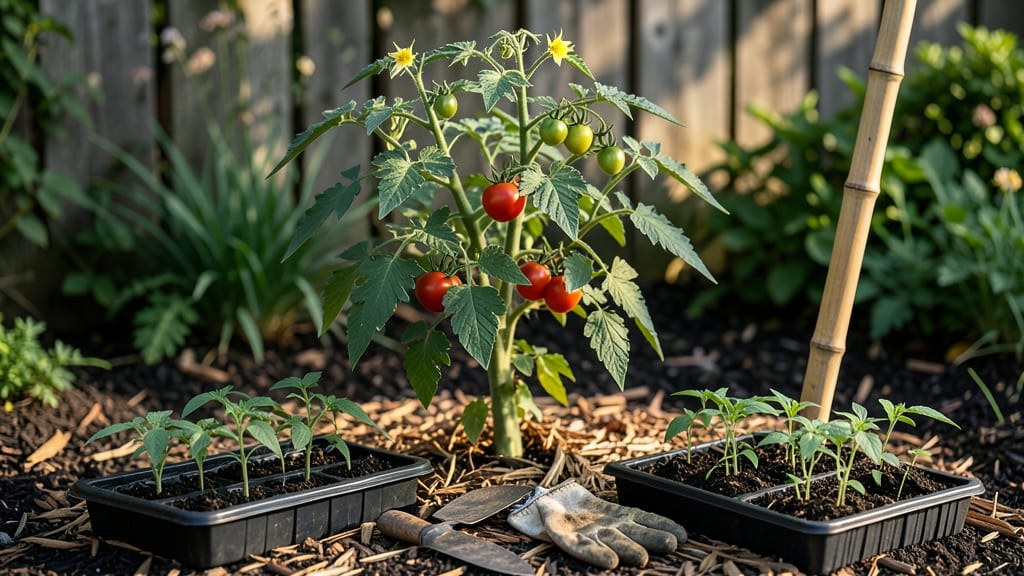
California tomato planting calendar: coastal vs. inland start dates compared
California’s microclimates create a planting puzzle for tomatoes. Coastal areas like San Francisco and Santa Barbara enjoy mild winters, while Central Valley and Sacramento face scorching summers. These differences mean your planting window could shift by 6-8 weeks depending on location.
For coastal gardeners, the key is avoiding late spring frosts that linger until mid-April in some areas. Inland regions, however, must time transplants to escape June heatwaves that can stress young plants. Let’s break down the optimal planting schedules for both zones.
🌱 California Tomato Planting Comparison
| Region | Last Frost Date | Ideal Transplant Window | Soil Temp Requirement | Heat Tolerance Tip |
|---|---|---|---|---|
| Coastal (SF, Santa Barbara) | Mid-April to May 15 | April 15 - May 10 | 60°F+ (15°C+) | Use row covers for early starts |
| Inland (Central Valley, Sacramento) | Mid-February to March 15 | March 1 - April 15 | 65°F+ (18°C+) | Plant heat-tolerant varieties |
| Desert (Palm Springs, Joshua Tree) | None (Year-round risk) | September 1 - October 15 | 70°F+ (21°C+) | Shade cloth essential |
If you’re in coastal California, aim to transplant 4-6 weeks after your last frost date. For example, if frost lingers until April 20 in Santa Barbara, your planting window opens around May 10. This timing ensures seedlings aren’t shocked by coastal fog or chilly nights.
Inland gardeners should start transplants in early March to give plants time to establish roots before summer heat sets in. Central Valley growers often plant two batches: one in March for early varieties and another in late April for heat-tolerant types like ‘Heatmaster’ or ‘Solar Fire’.
For desert regions, the strategy flips entirely. Instead of spring, plant in fall (September-October) to avoid 100°F+ (38°C+) soil. Use shade cloth to protect seedlings from intense sun until they’re established. This approach mimics Mediterranean climates where tomatoes thrive in cooler seasons.
One critical factor for all regions is soil temperature. Tomatoes won’t germinate in cold soil—use a soil thermometer to confirm 60°F+ (15°C+) before planting.
Inland areas often need black plastic mulch to warm soil faster, while coastal gardeners may need row covers to protect young plants from unpredictable frosts.
Pro tip: Heirloom varieties like ‘Brandywine’ or ‘Cherokee Purple’ need longer growing seasons (80-90 days), so plant them earlier in coastal areas or later inland. Hybrids like ‘Celebrity’ mature faster (60-70 days), giving you more flexibility with timing.
Remember, container gardening changes the game. Potted tomatoes in coastal microclimates can be moved to warmer spots during the day and protected at night. Inland containers dry out faster—water daily during peak summer to prevent blossom-end rot.
Finally, track your local frost dates using resources like the USDA Plant Hardiness Zone Map or your local Cooperative Extension office. These tools help you fine-tune your schedule year after year for bigger, healthier harvests. 🌱
How to Adjust planting times for microclimates and tomato types
California’s microclimates can shift tomato planting windows by weeks—even within the same city. For example, a San Francisco backyard might see cooler coastal fog while a nearby hillside enjoys warmer temperatures perfect for early planting. Use these adjustments to fine-tune your schedule for optimal growth.
Start by testing your soil temperature—tomatoes thrive when soil reaches 60°F (15°C). Inland areas like Sacramento often hit this mark by mid-March, while coastal zones like Santa Barbara may need to wait until late April.
A simple soil thermometer (or your elbow—if it feels warm, it’s ready!) makes this easy.
For coastal gardeners, extend your season with row covers or cold frames. These tools can push planting back by 2-3 weeks, shielding seedlings from chilly Pacific breezes. I’ve used floating row covers in Monterey to plant tomatoes as early as February, with zero frost damage.
Use a soil thermometer or elbow test to confirm 60°F (15°C)—critical for root growth.
Inland areas? Try ‘Heatmaster’ or ‘Solar Fire’. Coastal fog lovers? ‘Stupice’ or ‘Cherokee Purple’ handle cooler temps.
Mountain areas like Big Bear need 4-6 weeks later than valley floors. Check USDA Zone maps for your exact location.
Don’t overlook tomato types—cherry tomatoes like ‘Sweet 100’ mature faster (55-65 days) than beefsteaks (80-90 days). Plant fast-maturing varieties earlier in coastal zones to beat summer heat. I’ve seen ‘Tiny Tim’ produce in 60 days even with coastal fog delays.
Pro tip: Inland gardeners can succession plant every 2 weeks through June to avoid blight risks from summer heat. Coastal gardeners should stop planting by July—the extra heat can stress plants before harvest. 🌱