
Plants
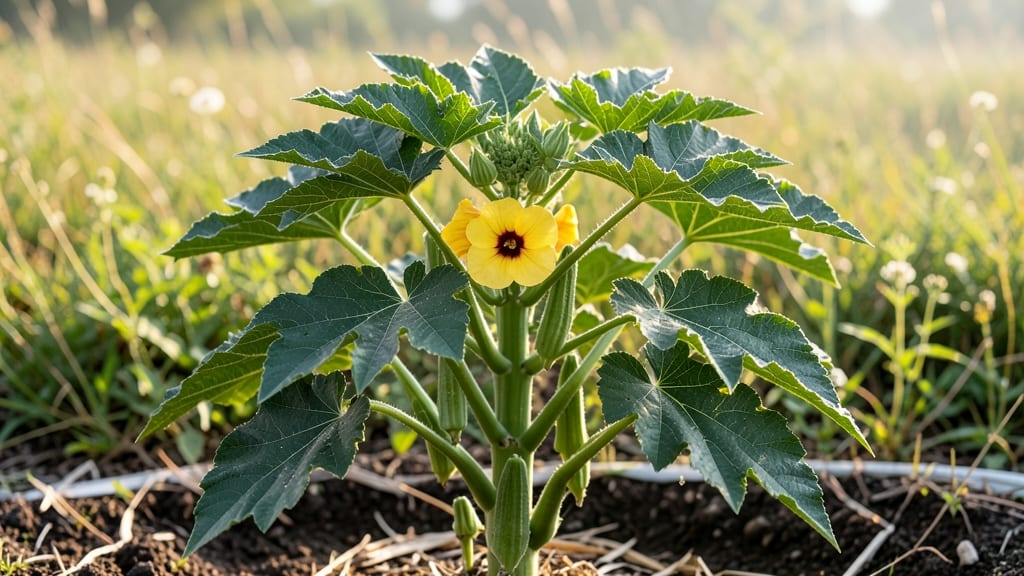
If you're asking how tall does an okra plant grow, the answer might surprise you—especially if you're working with limited garden space.
Okra 🌱 can shoot up like a jungle vine, reaching anywhere from 3 feet for dwarf varieties to a towering 10 feet for standard types, depending on the cultivar and growing conditions.
For most gardeners, the height of okra isn't just about aesthetics—it's about planning. Will your 6a zone support those lanky stems, or will you need to prune aggressively?
The good news? Compact varieties exist, and even tall okra can be managed with the right techniques, whether you're planting in the ground or containers.
But here's the catch: without proper care, even a 5-foot plant can stretch toward the sky, leaving you with awkward harvesting angles. I’ll break down how sunlight, soil, and spacing play into height control—and which varieties stay short enough for small spaces.
Ready to grow okra that fits your garden? Let’s dive into the specifics so you can enjoy fresh pods without the vertical challenge.


Okra plant height by variety: from compact to towering giants
Okra plants can range from 3-foot dwarf varieties to 10-foot towering giants, depending on the cultivar you choose. If you're planning your garden layout, knowing these height differences will help you allocate space effectively. Some varieties even thrive in containers, making them perfect for urban gardeners with limited room.
The Clemson Spineless variety is one of the most popular among gardeners because it grows to a moderate height of 5-7 feet. This makes it ideal for both in-ground planting and larger containers.
Meanwhile, the Emerald variety can reach impressive heights of 8-10 feet, making it a standout for larger gardens or those who want a dramatic vertical element.
For those with smaller spaces, dwarf okra varieties like 'Burgundy' or 'Perennial Okra' are excellent choices. These typically stay between 3-5 feet tall, perfect for containers or small garden plots. Even these shorter varieties produce abundant pods, so you won’t sacrifice yield for space-saving benefits.
Here’s a quick comparison of how different okra varieties stack up in terms of height and growing habits:
| Variety | Height Range | Growing Habits | Best For |
|---|---|---|---|
| Clemson Spineless | 5-7 feet | Upright, bushy, spineless pods | In-ground or large containers |
| Emerald | 8-10 feet | Tall, vigorous, high yield | Large gardens or trellises |
| Burgundy | 3-5 feet | Compact, deep green pods | Containers or small gardens |
| Perennial Okra | 4-6 feet | Cold-hardy, multi-year growth | Perennial gardens or warm climates |
| Jinwan | 6-8 feet | Heat-tolerant, smooth pods | Hot climates or extended harvests |
When selecting a variety, consider not just the height, but also your climate and garden layout. For example, taller varieties like Emerald thrive in warm, sunny regions but may need staking or trellises to support their weight.
In contrast, dwarf varieties like Burgundy are more adaptable to cooler climates and smaller spaces.
If you're growing okra in containers, opt for dwarf or semi-dwarf varieties to avoid overcrowding. A 5-gallon container can comfortably house a 3-5 foot plant, while larger containers (10+ gallons) can accommodate taller varieties like Clemson Spineless. Just ensure your container has drainage holes to prevent root rot.
Another factor to consider is the growth rate of your chosen variety. Some okra plants, like Jinwan, grow rapidly and can reach their full height in just 60-80 days.
This makes them ideal for short growing seasons. Meanwhile, perennial varieties take longer to mature but continue producing for multiple years, making them a low-maintenance choice for experienced gardeners.
For maximum yield, give your okra plants plenty of space to spread. Standard varieties need at least 2 feet of clearance between plants, while dwarf varieties can be spaced 1-1.5 feet apart. Proper spacing ensures good airflow, reducing the risk of fungal diseases and encouraging stronger growth.
If you're unsure which variety to pick, start with Clemson Spineless—it’s a versatile middle-ground option that works well in most gardens. For a challenge, try growing Emerald and experiment with trellising to save space.
And if you're a container gardener, Burgundy is a fantastic choice for fresh okra without the bulk.
Remember, the height of your okra plant isn’t just about aesthetics—it directly impacts how easy it is to harvest and how well it resists pests. Taller plants may need support, while shorter ones are easier to reach. Plan accordingly, and you’ll enjoy a bountiful harvest all season long!
Factors that influence okra plant height: sun, soil, and spacing
Okra’s height isn’t just about the variety—it’s heavily influenced by the conditions you provide. If you’re growing Clemson Spineless (which can reach 8 feet), but your garden lacks proper sunlight, you might end up with a leggy, weak plant struggling to support its own weight.
The same goes for Emerald or Burgundy varieties: neglect key factors, and even dwarf types will stretch beyond their expected 3-5 foot range.
Sunlight is the #1 driver of okra height. These plants are sun-worshippers, craving 6-8 hours of direct light daily. Without enough sun, they’ll grow tall and spindly, a phenomenon called etiolation, as they reach for light.
In my Zone 6a garden, I’ve seen okra plants double in height when moved from partial shade to full sun within weeks. If your garden lacks direct sunlight, consider a south-facing raised bed or a reflective surface to maximize light exposure.
Soil fertility plays a surprising role too. Okra thrives in well-draining, nutrient-rich soil with a pH of 6.0-6.8. Poor soil forces plants to divert energy to root growth rather than vertical expansion, but overly rich soil can lead to excessive foliage and weaker stems—making them more prone to toppling.
I recommend amending your soil with compost and a balanced 10-10-10 fertilizer every 4-6 weeks during the growing season. Too much nitrogen? You’ll get lush leaves but stunted pods—and taller, weaker plants.
Watering habits also sneakily affect height. Okra is drought-tolerant once established, but inconsistent moisture—especially during dry spells—can cause stunted growth or erratic height spikes. Deep watering every 3-5 days encourages strong root systems, which in turn support a plant’s structure.
In my container-grown okra, I’ve noticed that underwatering leads to shorter but bushier plants, while overwatering can cause leggy, top-heavy growth. Aim for 1 liter of water per plant in the morning to avoid fungal issues.
Lastly, spacing is a game-changer. Okra needs room to breathe—crowding plants forces them to compete for sunlight and nutrients, leading to taller, weaker stems. Standard varieties should have 2-3 feet of space between plants, while dwarf types can tolerate 18-24 inches.
In my 5x5-foot raised bed, I plant 4 Clemson Spineless plants with 2 feet between them, and they thrive without leaning. If you’re short on space, consider trellising or pruning to manage height while maximizing yield.
Here’s the kicker: even with perfect conditions, some varieties will always grow tall. But by controlling these four factors—sunlight, soil, water, and spacing—you can guide okra’s height within its natural range.
For example, my Burgundy okra (a semi-dwarf) rarely exceeds 6 feet because I prioritize morning watering and balanced fertilizer. The result? A manageable height with plenty of pods at waist level—no ladder required!
Pro tip: If you’re growing okra in containers or small spaces, focus on dwarf varieties and prune aggressively to encourage bushier growth. A little planning goes a long way in keeping your okra productive and practical—not just a towering green monster.