
Flowers
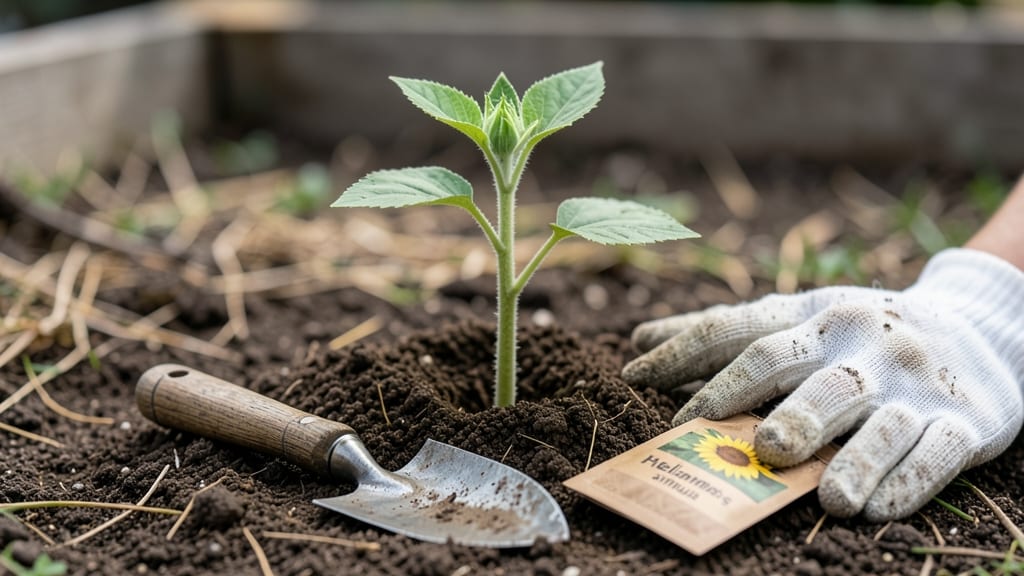
Timing your sunflower planting in Florida could mean the difference between towering, golden blooms and sad, spindly stems that bolt too soon. With two perfect windows—early spring and late summer—you can avoid heat stress and hurricane season disruptions while maximizing your harvest.
I’ve grown sunflowers 🌻 in Florida for years, and the key is knowing when to start seeds indoors or plant directly in the warm soil. Whether you’re in Zone 8a or Zone 11, the right timing ensures your plants thrive without bolting prematurely.
Let’s break down the best months to plant for zero-bolt success and how to adjust for your local microclimate.
You’ll also discover which sunflower varieties handle Florida’s heat best and how companion planting can extend your bloom season. No more guessing—just science-backed deadlines tailored to your zone.
Ready to grow sunflowers that reach their full potential? Let’s dive into the exact planting schedule, soil prep, and care tips that’ll have your garden bursting with color by May or November.
Florida sunflower planting calendar: Zone-specific deadlines for zero-bolt success
Florida’s diverse climate—from Zone 8A in the Panhandle to Zone 11 in the Keys—means sunflower planting deadlines vary dramatically. In cooler northern zones (8A-9A), aim for February to early April to avoid summer’s brutal heat, while southern zones (10A-11) can plant year-round with September-October ideal for fall blooms.
The key? Beat the heat to prevent premature bolting—when sunflowers shoot up stems too fast but produce tiny, underdeveloped blooms.
Sunflowers are heat-tolerant but struggle when daytime temps exceed 90°F (32°C) for extended periods. In Zone 9A and below, late summer plantings (August-September) often yield larger, healthier blooms because cooler fall nights slow growth just enough to prevent bolting.
For Zone 10A-11, even winter plantings (December-January) can work if you choose dwarf varieties or provide light shade during peak afternoon sun.
Here’s the critical rule: Plant sunflowers 45-60 days before your first expected frost (if applicable). In Zone 8A, that’s around January 15, while Zone 11 gardeners can plant anytime—just monitor humidity and pests.
For maximum bloom size, prioritize spring plantings in Zone 8A-9A and fall plantings in Zone 10A-11.
🌻 Florida Sunflower Planting Deadlines by Zone
| Zone | Best Planting Window | Avoid Planting After | Expected Bloom Time |
|---|---|---|---|
| 8A (Panhandle) | Feb 15 – Apr 15 | May 1 (heat stress risk) | May – June |
| 9A (Central FL) | Jan 1 – Apr 30 | June 1 (bolting risk) | Apr – July |
| 10A-11 (South FL/Keys) | Sep 1 – Oct 31 | Dec 15 (humidity stress) | Nov – Dec |
🌱 Pro Tip: Use shade cloth for summer plantings in Zone 9A-11 to reduce heat stress.
If you’re in Zone 8A-9A, don’t miss the February 15th deadline for spring blooms. Planting after April 15th risks bolting—sunflowers will grow tall but produce small, seedless blooms.
For fall harvests, September-October is ideal in southern zones, giving plants time to mature before cooler winter temps slow growth. In Zone 11, you can even try winter plantings (December-January) for unique early spring blooms, but choose dwarf varieties like ‘Teddy Bear’ to avoid flopping in humidity.
Florida’s hurricane season (June-November) adds another layer of timing complexity. If you plant in late summer (August-September), protect young seedlings with row covers or move pots indoors during storms.
For Zone 9A-11, September plantings often yield the largest blooms because they avoid peak summer heat while still benefiting from long daylight hours. Just be prepared to stake tall varieties if winds pick up.
For container gardening, adjust your timeline by 2-3 weeks earlier since pots dry out faster and roots struggle in Florida’s sandy soil. Start seeds indoors in January (Zone 8A-9A) or August (Zone 10A-11) for a head start.
Use well-draining mixes with 20% perlite to prevent root rot—a common issue in Florida’s humid summers. Containers also let you move plants to avoid storm damage or afternoon shade during heatwaves.
One of my biggest mistakes was planting Russian Giant sunflowers in June in Zone 9A. By August, the plants were 12 feet tall with tiny blooms—classic bolting! Now, I always plant tall varieties in spring and save dwarf or semi-dwarf types for fall/winter.
For example, ‘Autumn Beauty’ thrives in September plantings and produces vibrant, long-lasting blooms through winter.
To extend your sunflower season, try succession planting: Sow new seeds every 2 weeks from February-April (Zone 8A-9A) or September-October (Zone 10A-11). This ensures continuous blooms and prevents overcrowding, which stresses plants.
Space seeds 12-24 inches apart (closer for dwarfs, wider for giants) and thin seedlings to avoid competition. In Florida’s sandy soil, mix in compost to retain moisture and nutrients.
Remember: Sunflowers
How to adjust sunflower planting for Florida’s microclimates and soil conditions
Florida’s microclimates can drastically change your sunflower planting success. Coastal areas stay cooler and more humid, while inland zones like Orlando or Tallahassee can hit 95°F+ by early summer. If you’re in Zone 9a-10a, your planting window might shift 4-6 weeks earlier than in Zone 8a.
Urban gardens often face heat islands—asphalt and concrete trap heat, making soil 10°F warmer than rural areas. Test your soil temperature with a thermometer before planting; ideal soil temps for sunflowers are 55-65°F. If your soil heats up to 80°F+, delay planting until evening temps drop.
Florida’s sandy soil drains too quickly, so mix in 2-3 inches of compost or aged manure before planting. This retains moisture and adds nutrients. For clay-heavy areas (common in North Florida), amend with peat moss to improve drainage and prevent root rot.
Hurricane season (June-November) can disrupt your sunflower growth. If planting in late summer, choose dwarf varieties like ‘Teddy Bear’ that mature faster (60 days) and can withstand wind better. Stake taller varieties (like ‘Russian Giant’) at 6 inches deep to prevent toppling.
Companion planting helps too! Pair sunflowers with basil or marigolds to deter aphids and spider mites, common pests in Florida’s humidity. Avoid planting near tomatoes or potatoes, which compete for nutrients and attract the same pests.
Watering is critical—deep soak weekly in spring/fall, but every 5-7 days in summer. Use drip irrigation to keep leaves dry and prevent powdery mildew. Mulch with straw to retain moisture and regulate soil temperature.
For container growing, use pots 12+ inches deep with drainage holes. Place containers on elevated stands to improve airflow and prevent fungal diseases. In Zone 11, you can plant sunflowers year-round, but avoid peak summer heat (June-August) for best results.