
Plants
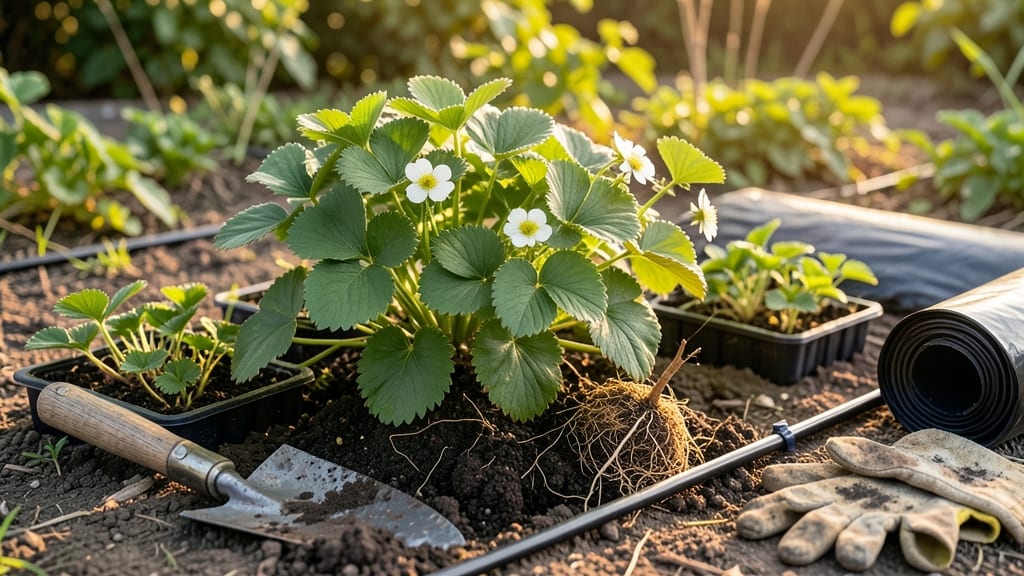
Florida strawberry planting calendar: chill-hour zones explained
Florida’s frost-free climate makes strawberry growing possible year-round—but without proper timing, your plants might bolt prematurely (send up flower stalks too early). The key? Matching chill-hour requirements to your region.
Florida’s USDA zones 9a-11 mean cooler North Florida (like Jacksonville) has slightly different needs than steamy South Florida (Miami).
Most strawberry varieties need 200-500 chill hours (temperatures between 32-45°F) to trigger fruiting. Without enough chill, plants produce small, bitter berries or bolt before bearing.
Florida’s mild winters often provide 100-300 chill hours, so variety selection is critical. Let’s break down the best planting windows by region and variety type.
📅 Florida Strawberry Planting Guide by Region
| Region | Chill Hours | Best Planting Window | Best Varieties | Harvest Time |
|---|---|---|---|---|
| North Florida (Zones 8a-9a) | 100-300 hours | Late August-September or January-February | ‘Florida Bright’, ‘Sweet Charlie’, ‘Seascape’ | February-May, September-November |
| Central Florida (Zones 9b-10a) | 50-200 hours | Late September-October or February-March | ‘Seascape’, ‘Camarosa’, ‘Strawberry Festival’ | March-June, August-October |
| South Florida (Zones 10b-11) | 0-100 hours | Year-round (best in fall or early spring) | ‘Seascape’, ‘Sweet Caroline’, ‘Chandler’ | February-April, July-September |
🌱 Note: Everbearing and day-neutral varieties (like ‘Seascape’) thrive best in Florida’s climate.
For North Florida, aim for fall planting (August-September) to take advantage of cooler temps.
The January-February window works too but requires extra shade to prevent bolting. Central Florida gardeners have flexibility with September-October or February-March plantings, while South Florida can plant almost anytime—but fall is ideal for avoiding summer heat stress.
If you’re growing June-bearing varieties (like ‘Florida Bright’), plant in late summer for a spring harvest. For everbearing types (like ‘Seascape’), fall plantings yield berries in winter-spring. Day-neutral varieties produce continuously if planted correctly.
Always check your specific variety’s chill-hour needs—some modern hybrids need fewer than 200 hours.
Soil temperature matters too! Strawberries need soil at 60-70°F to root well. In Florida’s heat, shade cloth (30-50%) can help lower soil temps by 5-10°F during summer plantings.
Use black plastic mulch in winter to retain warmth. Test your soil’s pH (5.8-6.5) and amend with compost or peat moss if needed.
Pro tip: Plant bare-root strawberries in Florida—they establish faster than potted plants. Space them 12-18 inches apart in raised beds or hanging baskets (great for urban gardeners!). After planting, water deeply to settle soil and apply 2-3 inches of mulch (straw or pine needles) to retain moisture and suppress weeds.
Avoid overhead watering to prevent fungal diseases like gray mold.
Timing isn’t just about months—it’s about microclimates. If you live near the coast, humidity and salt spray may require adjustments. Inland areas stay drier, so watering consistency becomes critical.
Monitor your plants’ progress and adjust shade or irrigation as needed. With the right timing, you’ll enjoy homegrown strawberries year-round—no bitter disappointment here! 🍓
How to avoid early bolting: pro tips for Florida gardeners
Florida’s year-round warmth can fool strawberries into thinking it’s spring—causing them to bolt prematurely and produce bitter, small berries. The key to preventing this is controlling soil temperatures and managing light exposure.
Without proper precautions, your plants may flower in July or August, leaving you with a disappointing harvest instead of sweet, juicy berries.
I’ve learned the hard way that shade cloth and mulching are my best tools against early bolting. For example, using a 30-50% shade cloth during peak summer months (June-August) can reduce soil temperatures by 10-15°F, delaying bolting until the cooler fall months when berries will taste better.
This simple trick has saved my harvests more times than I can count!
Another game-changer? Planting in raised beds with black plastic mulch. The mulch warms the soil faster in fall, kickstarting growth when days get shorter. Meanwhile, it keeps roots cooler in summer, preventing bolting. Just
BOLTING WARNING SIGNS
Watch for these red flags: Long flower stalks (bolting) appearing before September 1st, small or misshapen berries, and plants producing flowers in summer months. If you see these, act fast—remove bolting plants immediately to redirect energy to new growth.
Quick fix: Cut off flower stalks at the base with clean pruning shears and apply compost tea to encourage leafy growth. This buys you time to adjust soil conditions for a better fall harvest.
For everbearing varieties like ‘Seascape,’ I recommend two planting cycles: one in late summer (August-September) for a fall harvest and another in winter (December-January) for a spring crop. This staggered approach ensures you’re always getting fresh berries while avoiding the bolting trap. Just
One of my favorite organic tricks? Planting strawberries near tall sunflowers or other fast-growing summer crops. The sunflowers provide temporary shade during the hottest afternoons (when the sun is highest), while their deep roots help keep the soil cooler. Once the sunflowers are harvested in late summer, your strawberries get full sun again—perfect for fall fruiting.
Finally, soil temperature is everything. Use a soil thermometer to monitor conditions—ideal planting temps are between 60-70°F. If your soil runs hotter than that in summer, wait until late August or early September to plant. Patience pays off with bigger, sweeter berries and fewer bolting surprises.