
Plants
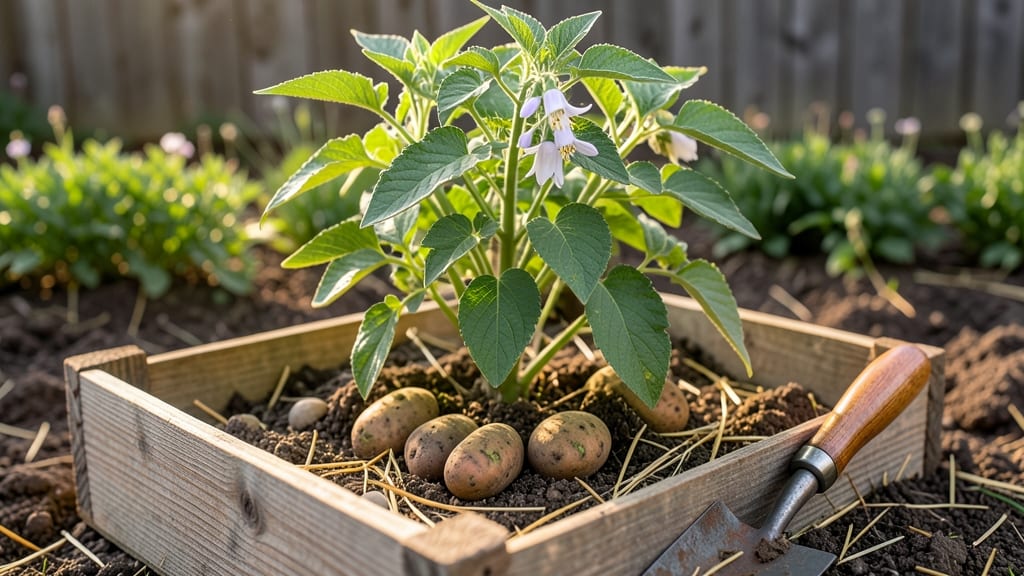
Planting potatoes in California isn’t as simple as tossing them into the ground and hoping for the best—your timing can mean the difference between a bumper crop of 🥔 and a sad, stunted harvest.
With frost-free zones ranging from 9b to 10a and microclimates that vary wildly from coastal fog to inland heat, knowing when to plant is the key to success.
Most gardeners in California’s 9b-10a zones can plant potatoes year-round, but the sweet spot for ideal growth is October through March, when cooler temperatures slow down heat stress and pests.
That said, inland valleys with milder winters (like Sacramento) might also see success planting in September or November—just adjust for your local frost dates.
If you’re dreaming of homegrown spuds by summer, you’ll need to plan ahead: spring plantings (February–March) yield harvests by May–July, while fall plantings (August–September) can produce tubers by winter. The trick? Choosing the right variety for your climate and giving them the perfect growing conditions.
Ready to turn your garden into a potato powerhouse? I’ll walk you through the best planting windows, variety picks, and pro tips to maximize your harvest—no matter where you are in the Golden State.
California’s best potato planting zones by frost-free dates
California’s microclimates create a puzzle for potato growers—what works in cool coastal San Francisco fails in hot inland Riverside. Unlike northern states, frost isn’t the main threat; instead, heat stress and soil temperature dictate planting windows.
Most of California falls in USDA Zones 9b–10a, where frost is rare but summer heat can scorch tubers if planted too late.
The key to success? Timing plantings to align with soil temperatures between 45°F–60°F (ideal for sprouting) and avoiding peak summer heat (above 85°F). Coastal areas like San Francisco Bay and Santa Barbara have milder winters, while inland valleys like the Central Valley and Desert regions experience more extreme temperature swings.
Let’s break down the best planting windows for each zone.
🌱 Visual Guide: California Potato Planting Zones
| Zone | Last Frost Date | First Frost Date | Ideal Planting Window | Soil Temp Threshold | Notes |
|---|---|---|---|---|---|
| Northern CA (Sacramento, Redding) | Feb 15–Mar 1 | Oct 15–Nov 15 | Oct–Nov, Feb–Mar | 45°F–60°F | Cooler nights; use row covers for early plantings. |
| Central CA (Los Angeles, San Diego) | None (Zone 10) | None (Zone 10) | Sep–Nov, Jan–Feb | 50°F–65°F | Avoid summer planting; use shade cloth. |
| Southern CA (Riverside, Palm Springs) | None (Zone 10) | None (Zone 10) | Sep–Oct, Dec–Jan | 55°F–70°F | Plant in fall for spring harvest; irrigate deeply. |
| Coastal CA (San Francisco, Santa Barbara) | Jan 15–Feb 15 | Dec 1–Dec 15 | Oct–Dec, Feb–Mar | 40°F–55°F | Foggy mornings help; mulch to retain moisture. |
For Northern California (e.g., Sacramento), aim for October–November or February–March plantings. The last frost date around February 15 signals it’s safe to plant early varieties like Red Pontiac, which mature in 90 days.
Inland areas like Fresno can push planting to late September for a spring harvest, but avoid planting after November 15 to prevent heat stress.
In Central California (e.g., Los Angeles), where frost is nonexistent, focus on fall plantings (September–November) for a winter–spring harvest. The soil temperature in Los Angeles rarely drops below 50°F, making it ideal for year-round planting with shade adjustments.
Use drip irrigation to maintain consistent moisture, as summer heat can cause tuber dehydration.
Southern California’s desert regions (e.g., Palm Springs) demand strategic timing. Plant in September–October for a spring harvest or December–January for a summer harvest.
The soil temperature here stays warm year-round, so cool-season varieties like Yukon Gold thrive best. Mulch heavily to prevent soil overheating, which can lead to blight.
Co
How to choose the right potato varieties for California’s climate
California’s diverse microclimates mean not all potato varieties thrive equally. Coastal areas like San Francisco benefit from cool-season types, while inland valleys (e.g., Sacramento) need heat-tolerant options.
The wrong variety can lead to stunted growth or even crop failure, so picking the right one is critical for a successful harvest.
For cooler coastal regions (USDA Zones 9b-10a), focus on early-maturing varieties like Yukon Gold or Red Pontiac. These handle mild winters and produce tubers in 90–110 days.
Inland areas with hotter summers (e.g., Los Angeles) should opt for heat-resistant types like Fingerlings or Russian Banana, which tolerate warmer soils without bolting.
Timing matters too—plant early-season varieties (e.g., Red LaSoda) in September–October for winter harvests, while late-season types (e.g., Russet) work best in February–March for summer yields. Each variety has a sweet spot for planting months, so align your choices with your local frost-free window.
🌱
| Variety | Best Planting Months | Days to Harvest | Climate Fit |
|---|---|---|---|
| Yukon Gold | September–November, February–March | 90–110 days | Coastal, mild winters |
| Red Pontiac | October–December, January–February | 80–100 days | Coastal, early harvest |
| Fingerlings | March–April, September–October | 70–90 days | Inland, heat-tolerant |
| Russian Banana | April–May, September | 100–120 days | Hot summers, drought-resistant |
| Russet | February–March, September | 110–130 days | Cooler highlands, long season |
If you’re in Southern California (e.g., Riverside), where winters are mild but dry, prioritize drought-tolerant varieties like Kennebec or Katahdin. These hold up better in low-moisture soils and still deliver high yields.
Meanwhile, coastal gardeners should avoid long-season types like Russets, as they risk bolting (premature flowering) in warmer springs.
Pro tip: Test your soil before planting—potatoes thrive in loose, well-draining soil with a pH of 5.0–6.5. Amend clay-heavy soils with compost or sand to prevent rot.
For container growing (great for urban gardeners!), choose bush varieties like Adirondack Red, which stay compact and produce abundant tubers in pots.
💧