
Plants
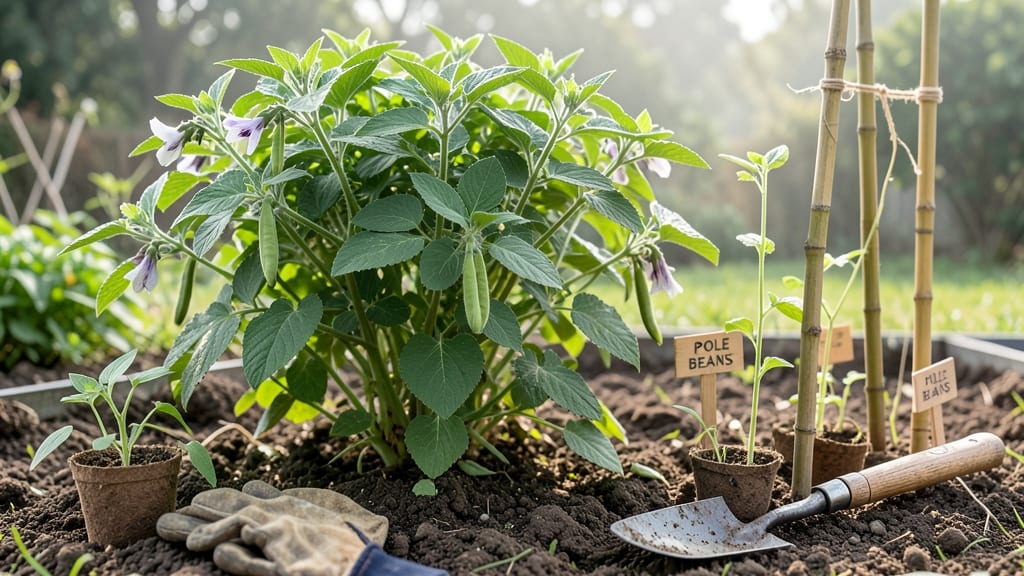
When to plant beans in North Carolina is the key to unlocking a thriving garden, especially in a state where climate shifts from coastal warmth to mountain coolness can make all the difference. With our varied growing zones—from 7a to 8b—most gardeners reach for their bean seeds between mid-March and early July, but timing depends on whether you're cultivating cold-hardy or heat-loving varieties. The secret lies in waiting until soil temperatures hit 60°F, which usually arrives by late April in the Piedmont but can come weeks earlier along the coast. What you’ll discover here are the exact planting strategies for your region, from selecting the right varieties to extending your growing season with simple tricks. Whether you're a first-time gardener or a seasoned green thumb, these insights will help you maximize your harvest from June through October. Let’s dive into how to get your beans off to the best possible start—because in North Carolina, the right timing makes all the difference in the world.
Best planting times for beans in North Carolina by variety
North Carolina’s diverse climate zones—from the Coastal Plain to the Piedmont and Mountains—create unique planting windows for beans. The key is aligning your variety with local frost-free dates and soil temperatures. Most NC regions experience their last frost around mid-April, but mountain areas can linger until early May.
Beans thrive when soil temperatures reach 60°F or higher. In the Coastal Plain, this typically happens by late March to early April, while mountain zones may wait until mid-to-late May.
Understanding these differences ensures you avoid planting too early and risking frost damage or too late and missing peak harvests.
Here’s how to time your plantings for bush beans, pole beans, and lima beans across NC’s regions:
| Variety | Best Planting Window | Soil Temp Requirement | Regional Notes |
|---|---|---|---|
| Bush Beans (e.g., Blue Lake, Roma) | Mid-April to early June | 60°F+ | Coastal Plain: Start by late March; Mountains: Wait until mid-May. |
| Pole Beans (e.g., Kentucky Wonder, Rattlesnake) | Late April to early July | 65°F+ | Pole beans need more warmth; avoid early plantings in cooler zones. |
| Lima Beans (e.g., Fordhook, Christmas) | Late May to early July | 70°F+ | Heat-loving; plant after last frost in all NC regions. |
| Fall Planting (All Varieties) | Late July to early September | 60°F+ | Aim for harvest before first frost (mid-October). |
For bush beans, which mature quickly (50–60 days), you can even try an early spring planting in the Coastal Plain by using row covers to protect young plants from late frosts. Pole beans, with their longer growing season (60–90 days), benefit from a slightly delayed start to ensure they have enough warmth to thrive.
Lima beans are the most heat-sensitive of the bunch, so they’re best planted in late spring when soil temperatures are consistently above 70°F. In mountain regions, this might mean waiting until June to avoid stunted growth.
Always check your local USDA zone (NC ranges from 7a to 8b) for precise timing.
Pro tip: Use a soil thermometer to confirm temperatures before planting. Beans won’t germinate well in cold soil, even if the air feels warm. If your soil is still below 60°F, wait a few more weeks or use black plastic mulch to warm it up faster.
Don’t forget about succession planting! For a continuous harvest, sow bush beans every 2–3 weeks from April through June. This strategy works especially well in the Piedmont region, where growing seasons are longer and more predictable.
For mountain gardeners, focus on heat-tolerant varieties like ‘Contender’ bush beans or ‘Rattlesnake’ pole beans, which handle cooler temperatures better than standard varieties. These choices can extend your planting window by 1–2 weeks compared to other types.
Finally, keep an eye on your local extended forecast. NC’s weather can be unpredictable, with late frosts creeping into May in some years. If frost is forecasted, have row covers or a cloche ready to protect your young plants.
How to extend your bean planting season in North Carolina
North Carolina’s short growing season doesn’t have to limit your bean harvest. With the right strategies, you can push your planting windows earlier in spring and later into fall, giving you fresh pods from June through November.
The key is understanding how to warm soil, protect young plants, and leverage microclimates to create ideal growing conditions year-round.
For early spring planting, focus on warming your soil and protecting tender seedlings from late frosts. In cooler mountain regions, you might start as late as mid-April, while coastal gardeners can begin planting in early March.
The goal is to reach that critical 60°F soil temperature—the magic number for bean germination.
Here are my top strategies for extending your bean season, tailored to NC’s unique climate challenges:
- 🔥 Use black plastic mulch to warm soil 5-10°F faster than bare earth. Lay it down 2-3 weeks before planting to create a microclimate for early starts.
- 🌡️ Plant in raised beds—they warm up 2-3 weeks earlier than in-ground soil. Fill with compost-rich mix to retain heat during cool nights.
- 🛡️ Deploy row covers (floating fabric) to protect seedlings from late spring frosts (common until mid-April in Piedmont). Remove when flowers appear to prevent overheating.
- 🌿 Choose cold-tolerant varieties like ‘Contender’ or ‘Blue Lake Bush’, which can handle 45°F soil temps better than heat-lovers like ‘Roma’.
- 🌅 Leverage south-facing slopes—these areas get 2-3 extra hours of sunlight daily, creating a warmer microclimate perfect for late fall plantings.
For late-season extensions, focus on varieties with shorter maturity dates (50-55 days) and protect them from early frosts. In the mountains, you might get a harvest by early October, while coastal gardeners can push it to mid-November with row covers.
Always plant succession crops every 2-3 weeks from May through July to ensure a continuous harvest.
One of my favorite tricks is succession planting with pole beans. Start your first batch in early May, then follow with new plantings every 10-14 days until mid-July. This staggered approach ensures you’re always harvesting fresh pods while older plants mature.
Pair this with companion planting—beans fix nitrogen, so plant them near corn or squash for a mutually beneficial trio.
Remember, beans are heat-tolerant but struggle when nights dip below 50°F. If you’re planting in late summer, choose ‘Scarlet Runner’ or ‘Kentucky Wonder’ pole beans, which handle the transition from summer to fall better than bush varieties.
And always monitor your local frost forecast—having row covers ready can save your entire crop when unexpected cold snaps hit.