
Flowers
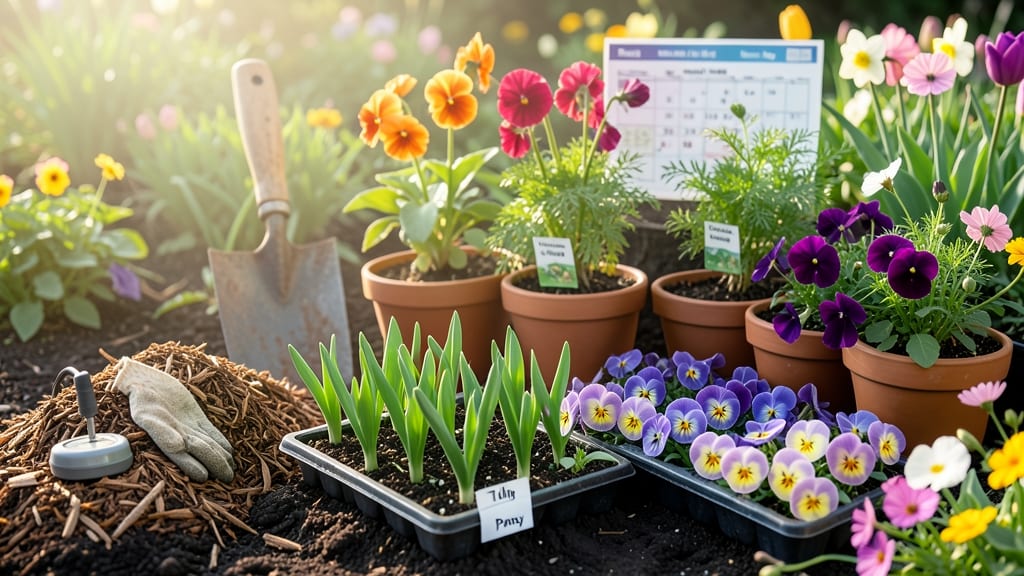
Timing your spring flower planting wrong can mean wilting dreams before blooms even appear—but knowing your local frost dates turns guesswork into a thriving garden.
In Zone 6a, where I garden, the last frost typically arrives around April 15, marking the perfect window to get those 🌸 beauties in the ground.
Why does this matter? Planting too early risks frost damage, while waiting too long can stunt growth before summer heat arrives. Whether you're dreaming of vibrant pansies or towering sunflowers, getting the timing right means more blooms and less frustration.
I’ll show you exactly how to read your local frost dates, adjust for your specific microclimate, and choose flowers that thrive in early vs. late spring plantings. No more second-guessing—just confident gardening that leads to a showstopping display.
Let’s dive into the simple secrets that’ll have your garden bursting with color all season long. Ready to plant with purpose?
Spring planting dates by USDA hardiness zones: avoid frost traps
Getting your spring flower planting timeline right means the difference between a vibrant garden and a sad pile of frozen seeds. The key? Your USDA Hardiness Zone and last frost date. I’ll break it down so you can plant with confidence—no more guessing games or lost blooms!
Most spring flowers thrive when planted 2-4 weeks after your average last frost date. But cold-hardy annuals like pansies and snapdragons can handle light frosts, while tender perennials like petunias need warmer soil. Let’s map it out by zone.
🌱 Tip: Use a soil thermometer—most flowers need soil temps of at least 50°F (10°C) to sprout. If your zone runs late, opt for container gardening to extend your season.
| USDA Zone | Last Frost Date | Ideal Planting Window | Cold-Hardy Flowers | Tender Flowers |
|---|---|---|---|---|
| Zones 3-4 | Late April - Early May | May 15 - June 1 | Pansies, Snapdragons, Sweet Alyssum | Petunias, Geraniums (wait until June) |
| Zones 5-6 | Mid-April - Early May | April 30 - May 15 | Violas, Calendula, Stock | Marigolds, Zinnias (after May 1) |
| Zones 7-8 | Mid-March - April | April 1 - April 15 | Primroses, Sweet Peas, Lobelia | Impatiens, Begonias (March 15+) |
| Zones 9-10 | Mid-January - February | February 15 - March 15 | Sweet Alyssum, Calendula | Geraniums, Petunias (year-round in mild winters) |
⚠️ Pro Tip: Check your local frost dates—they can vary by 1-2 weeks even within the same zone!
If you’re in Zone 6a (like me!), aim for April 30-May 15 for most flowers. But watch for late frosts—they’re sneaky! Hardier flowers like pansies can handle 28°F (-2°C), while petunias wilt below 50°F (10°C).
For container gardens, you can push planting dates 2-3 weeks earlier since pots warm up faster. Just move them indoors if frost threatens. And if your spring is unpredictable, use row covers for extra protection.
🌿 Key Takeaway: Soil temp > air temp—always check the ground! A soil thermometer is your best friend for perfect timing.
Now that you’ve got your zone-specific dates, let’s talk about adjusting for early vs. late springs—because Mother Nature doesn’t always follow the script. Stay tuned!
How to adjust planting times for early vs. late spring conditions
Spring weather can be as unpredictable as a spring shower—one day warm enough for shorts, the next bringing a surprise frost. That’s why I adjust my planting timeline based on three key factors: soil temperature, local microclimate, and moon phase trends.
These tweaks help me beat Mother Nature’s curveballs and still enjoy a garden bursting with color.
For example, in my Zone 6a garden, I’ve learned that late March is safe for cold-hardy annuals like pansies, but I wait until mid-April for heat-loving petunias. The difference? Soil temperature and frost risk. A simple soil thermometer ($10 at garden centers) becomes my best friend during this transition period.
Here’s my foolproof 3-step risk assessment to time your plantings perfectly, no matter what spring throws at you:
Container gardening is another game-changer for late springers. I’ve successfully grown petunias and geraniums in pots on my patio by April 1st, even when ground temps were still chilly.
Just use black plastic pots (they absorb heat) and add a heat mat ($15) for extra warmth. Pro tip: Place containers near south-facing walls to capture reflected sunlight.
If you’re still unsure about your local frost dates, sign up for free alerts from your local cooperative extension service. They’ll text you when it’s safe to plant. I’ve used this trick for years—it’s saved more than a few 🌸 from frost damage!
Remember: Early spring is for cold-hardy champions like pansies and snapdragons, while late spring rewards you with bold bloomers like sunflowers and cosmos. By adjusting your timeline, you’ll enjoy nonstop color from April through October—no gaps, no guesswork.