
Flowers
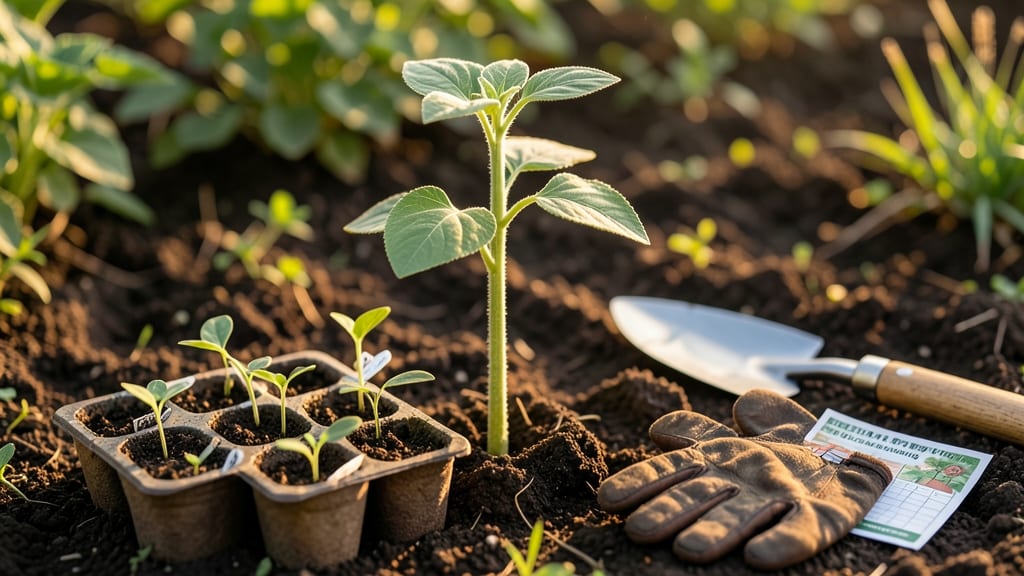
If you're wondering when to plant sunflowers in Michigan, timing is everything. Planting these cheerful 🌻 beauties too early risks frost damage, while waiting too long might leave you with stunted blooms.
The perfect window in Zone 5-6 is between late April and mid-June, but there's more to it than just dates.
Michigan's climate throws a few curveballs—like unpredictable frost dates and regional temperature variations—that can make or break your sunflowers. I've learned the hard way that soil temperature matters just as much as the calendar, and skipping this step can leave your seeds struggling.
Let me show you how to read the signs and adjust your planting schedule for the tallest, healthiest sunflowers possible.
You'll discover the exact frost-free benchmarks to watch for, how to handle Michigan's microclimates, and why some gardeners swear by staggered planting. Whether you're a beginner or a seasoned gardener, these insights will help you avoid common mistakes and maximize your sunflower's potential from seed to full bloom.
From choosing the right varieties for your space to extending the growing season for late blooms, I'll cover everything you need to know. Let's get those sunflowers growing strong—because in Michigan, summer comes and goes faster than you think!
Michigan sunflower planting calendar: best months and frost dates for Zone 5
Sunflowers thrive in Michigan’s Zone 5 climate, but timing is everything to avoid frost damage or missed blooms. The ideal planting window spans from late April to mid-June, aligning with soil temperatures and frost-free dates.
For the tallest, healthiest sunflowers, aim to plant seeds when daytime temperatures consistently stay above 50°F—this usually happens after Michigan’s last average frost date (mid-April to early May).
Michigan’s Upper Peninsula tends to have a shorter growing season, so gardeners there should plant earlier (late April to early May) for maximum growth. Meanwhile, the Lower Peninsula offers a longer window, allowing for late May to early June plantings.
Always check your local USDA frost map to pinpoint exact dates for your area.
Sunflowers are direct-sown annuals, meaning they don’t transplant well, so start seeds outdoors once the soil is workable. If you’re eager to get a head start, you can sow seeds indoors 2-3 weeks before the last frost date, but be prepared to harden off seedlings carefully before transplanting.
Most Michigan gardeners, however, prefer direct sowing outdoors for simplicity and stronger root development.
Here’s a quick reference for Michigan’s sunflower planting calendar:
| Timeframe | Action | Notes |
|---|---|---|
| Late April - Early May | Plant in Upper Peninsula or early-starting Lower Peninsula gardeners | Use row covers for frost protection if nights are still chilly |
| Mid-May | Ideal for most of Michigan’s Lower Peninsula | Soil should be at least 50°F for best germination |
| Late May - Early June | Best for late plantings in southern Michigan | Choose fast-maturing varieties (e.g., 'Mammoth' or 'Autumn Beauty') |
| June (if needed) | Emergency planting for missed windows | Expect smaller blooms but still viable seeds |
For tall sunflower varieties (like 'Russian Giant' or 'Mammoth'), plant seeds 1 inch deep and space them 6-12 inches apart, depending on the variety. Dwarf varieties (like 'Teddy Bear') can be planted closer together—4-6 inches apart—for a fuller look.
Always plant seeds in well-draining soil with a slightly acidic to neutral pH (6.0-7.0).
If you’re aiming for continuous blooms throughout the summer, consider staggered plantings. Sow a fresh batch of seeds every 2-3 weeks from late April through early June. This ensures you’ll have sunflowers in bloom from July through October, providing a steady supply of seeds for birds and pollinators.
One common mistake is planting sunflowers too early and risking frost damage. Sunflowers are frost-sensitive as seedlings, so wait until the soil is warm enough to prevent stunted growth.
Conversely, planting too late can result in smaller blooms or no flowers at all, as sunflowers need 90-120 days to mature. Always prioritize soil temperature over calendar dates.
For gardeners in northern Michigan, where summers are shorter, focus on early-maturing varieties like 'Autumn Beauty' or 'ProCut'. These varieties can reach maturity in 50-60 days, giving them enough time to thrive before the first frost.
In southern Michigan, you have more flexibility to experiment with taller, later-blooming varieties like 'American Giant' or 'Super Singhia'.
Pro tip: Use a soil thermometer to check temperatures before planting. Sunflower seeds need consistent soil temps of 50°F or higher to germinate properly. If your soil is still cold, wait a few more days—patience pays off with bigger, healthier blooms.
Once planted, keep the soil consistently moist (but not soggy) until germination, which typically takes 7-14 days.
How to adjust sunflower planting for Michigan’s microclimates and soil types
Michigan’s diverse climate means your sunflower planting schedule should shift based on where you live. The Upper Peninsula has cooler, shorter growing seasons, while the Lower Peninsula offers slightly more warmth—sometimes by weeks.
I’ve seen dwarf varieties thrive in cooler regions when planted in late May, while giant sunflowers need the extra heat of early June in northern areas.
Soil type also plays a surprising role. Sunflowers love well-draining soil, but Michigan’s heavy clay in some areas can suffocate roots. Amending with compost or sand before planting can make all the difference.
In sandy soils common near lakes, watering needs increase, so adjust your schedule to ensure consistent moisture during germination.
🌱 Pro Tip: Test your soil’s pH (ideal is 6.0-7.5) and adjust with lime or sulfur if needed. This small step can boost growth by up to 30% in less-than-ideal conditions.
- 📍 Upper Peninsula: Plant dwarf varieties by late May for shorter seasons; avoid giant types unless using row covers.
- 📍 Northern Lower Peninsula: Aim for early June planting; monitor soil temps closely (wait for 55°F+).
- 📍 Southern Lower Peninsula: Late April is safe for most varieties; extend season with black plastic mulch.
- 🌱 Clay Soil: Add organic matter (compost/peat moss) to improve drainage before planting.
- 🌱 Sandy Soil: Water daily during germination; mulch to retain moisture.
- ☀️ Partial Shade Areas: Choose dwarf or semi-dwarf varieties; plant near taller plants for support.
Sun exposure matters too. Even in full-sun areas, afternoon shade from trees can stunt growth. If your garden has partial shade, opt for semi-dwarf varieties like ‘Teddy Bear’ (3-4 ft tall) that tolerate less light better than giants.
Position them where they’ll get at least 6 hours of morning sun.
For container growing—popular in urban Michigan gardens—use large pots (12+ inches deep) and plant 2-3 seeds per container. These warm up faster than ground soil, letting you start 2-3 weeks earlier than in-ground planting. Just ensure pots have drainage holes to prevent root rot.
Finally, watch for microclimates in your yard. South-facing slopes warm up faster, while low-lying areas stay cooler longer. Plant heat-loving varieties on slopes and cooler-tolerant types in valleys. A 5°F temperature difference can mean the difference between success and failure for sunflowers.