
Plants
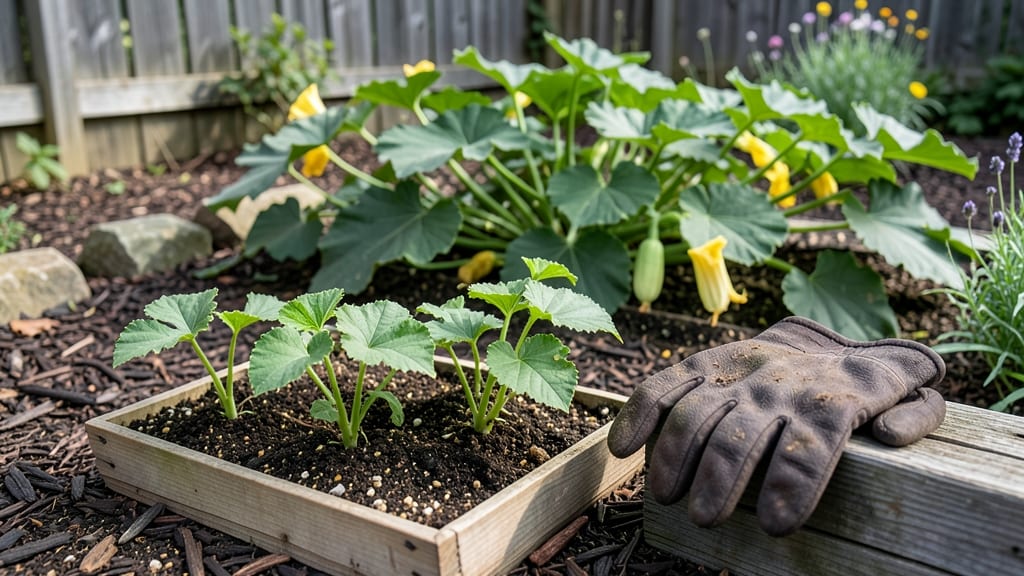
Planting squash in Texas isn’t just about dropping seeds in the dirt—it’s about mastering the heat-zone timeline to avoid bolted plants and wasted effort.
With Texas’s 8a-10b climate, your planting window can shift dramatically from North to South, making the difference between a thriving 🎃 harvest and a sad, wilted vine.
Too early, and your squash will struggle with cool soil; too late, and you’ll miss the 60-90 day growing window before summer’s relentless heat sets in.
I’ve tested the best strategies for both spring and fall plantings, so you can skip the guesswork and get straight to the actionable steps that work in your specific corner of the Lone Star State.
Whether you’re growing zucchini, yellow squash, or pumpkins, the key is understanding your local frost dates and soil temperature thresholds.
North Texas gardeners have a narrower window than their South Texas counterparts, but with the right prep—like black plastic mulch or shade cloth—you can stretch your season and enjoy fresh squash straight from your garden.
Ready to transform your garden into a squash powerhouse? Let’s break down the exact planting schedule, soil prep secrets, and pro tips to ensure your plants thrive—no matter where in Texas you’re growing.
Texas heat-Zone planting calendar for squash: avoid bolting and heat stress
Texas’s USDA Zones 8a–10b create a tricky balance for squash growers. Plant too early, and your seedlings will bolt (flower prematurely) from cold soil; too late, and scorching summer heat stunts growth. The key? Soil temperature (not air temperature) must hit 60°F before planting—this varies by region.
For example, North Texas (Zone 8a) can start in mid-March, while South Texas (Zone 10a) may begin as early as February.
Summer squash (like zucchini and yellow squash) thrive in warm soil, while winter squash (pumpkins, butternut) need a longer growing season. Texas’s long, hot summers mean most gardeners focus on spring and fall plantings to avoid mid-year heat stress.
Let’s break down the exact planting windows by zone to ensure zero-bolt success and a bountiful harvest.
🎃
| USDA Zone | Last Frost Date | Ideal Planting Window | Soil Temp Threshold | Notes |
|---|---|---|---|---|
| 8a (North Texas) | Feb 15–March 1 | Mid-March to early April | 60°F+ | Use row covers for early starts; avoid planting after May 15. |
| 9a (Central Texas) | Jan 30–Feb 15 | Late February to early May | 60°F+ | Fall planting: August 1–September 15 for winter squash. |
| 10a (South Texas) | Jan 15–Feb 1 | February to early June | 65°F+ (warmer soil needed) | Direct-sow heat-tolerant varieties like ‘Straightneck’ after April 15. |
| 10b (Deep South TX) | Jan 1–Jan 15 | January to July (succession plant) | 70°F+ | Year-round growing possible with shade cloth and drip irrigation. |
For summer squash (zucchini, yellow squash), aim to harvest before the heat peaks—typically by mid-July in North Texas and June in South Texas. Winter squash (pumpkins, butternut) need 90–120 days to mature, so plant August–September for a fall harvest.
In Zone 10b, you can even plant year-round with shade and consistent watering.
Pro tip: Use a soil thermometer to confirm temps—cold soil is the #1 cause of bolting in Texas. If your soil is below 60°F, wait or use black plastic mulch to warm it faster. In North Texas, this can add 1–2 weeks to your planting window.
🌱
Heat stress is the silent killer of Texas squash. When daytime temps hit 95°F+, squash plants wilts, stops flowering, and fruits deform. To combat this, plant in partial shade (30% shade cloth) during June–August or choose heat-tolerant varieties like ‘Sunburst’ zucchini or ‘Waltham Butternut’ pumpkin. Succession planting every 2 weeks in spring/fall ensures a continuous harvest before the heat sets in.
Fall plantings are your best bet for avoiding summer heat. In Central and North Texas, aim for August 1–15 for winter squash. In South Texas, you can push it to September 1—just ensure soil temps stay above 60°F for at least 4 weeks after planting. Mulch heavily with straw to retain moisture and water deeply in the morning to prevent fungal issues.
✂️
Pro tips to extend your Texas squash growing season without bolting
Texas’s brutal summer heat can turn your squash plants into sad, bolted shadows if you’re not strategic. The key to extending your growing season? Smart timing, shade, and soil prep—not just throwing seeds in the dirt and hoping for the best.
I’ve grown squash in both North and South Texas, and these tricks have saved my harvests from wilting before they even got started.
First, choose bolt-resistant varieties like ‘Straightneck’ or ‘Black Beauty’—they handle heat better than fussy heirlooms. Pair that with succession planting: sow seeds every 2 weeks from March to early June, then again in August for a fall crop.
This keeps your garden producing instead of all at once, which is a game-changer for Texas’s short windows.
🌱 Pro Tip: Use black plastic mulch to warm soil faster in spring (aim for 60°F+ before planting) and shade cloth (30-50%) in peak summer to protect young plants. I’ve seen squash thrive under shade cloth when temps hit 95°F+, while unprotected plants bolt within days.