
Plants
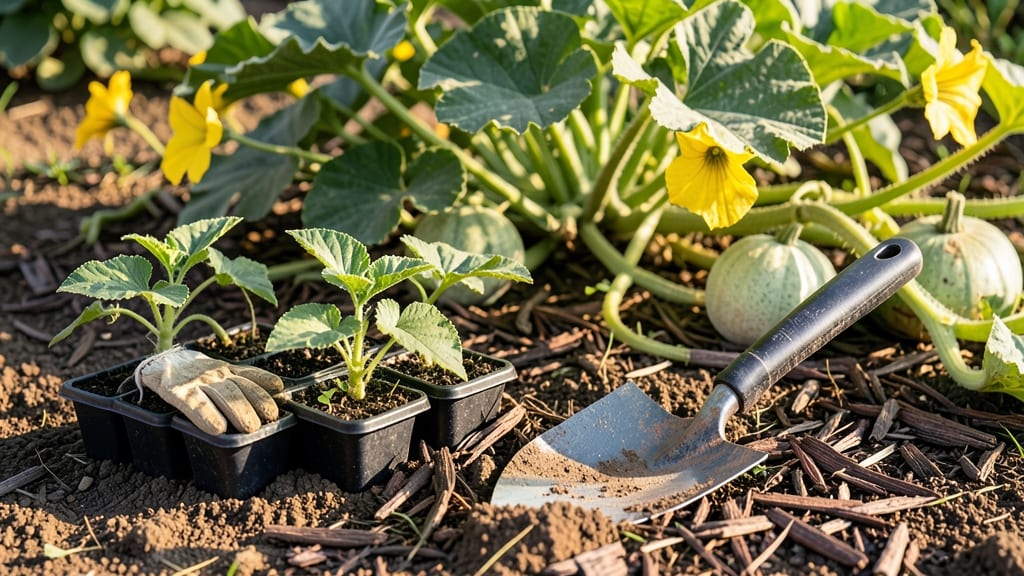
Planting pumpkins in California at the wrong time can turn your garden dreams into bitter disappointment—especially when you’re eyeing that perfect 🎃 for Halloween. The Golden State’s wild climate swings, from coastal fog to Central Valley heat, mean timing is everything.
Get it right, and you’ll harvest pumpkins so big they’ll make your neighbors jealous; get it wrong, and you’ll end up with sad, stunted vines.
Most California gardeners know spring is the magic window, but the exact dates depend on where you live. Coastal areas like San Francisco can start as early as February, while inland zones like the Central Valley wait until March or April to avoid frost.
Even desert regions have their own sweet spot—plant too soon, and your seeds rot; too late, and your pumpkins never mature.
Here’s the game-changer: soil temperature matters more than the calendar. Pumpkin seeds need 70°F soil to sprout, and that threshold hits differently across zones 8a-11.
I’ll break down the exact deadlines for your region—whether you’re in foggy 9b or blazing 11—so you can sow with confidence and skip the zero-bolt failures.
Ready to grow pumpkins that’ll outshine your neighbors’? Let’s dive into the zone-specific planting schedule that’ll turn your garden into a 🎃 paradise—no guesswork, just guaranteed harvests.
California pumpkin planting calendar by hardiness zone (avoid zero-bolt failures)
California’s microclimates create a planting puzzle for pumpkins. Coastal areas like San Francisco enjoy year-round growing, while inland Central Valley zones face hot summers and cool winters. Desert regions?
They demand early starts to beat the heat. The key is aligning your planting with soil temperatures (minimum 70°F) and frost-free windows—because pumpkins need 90-120 days to mature.
Miss the window, and you’ll end up with bitter-tasting pumpkins or no harvest at all. But nail the timing, and you’ll grow showstopping jack-o’-lanterns or sweet pie pumpkins.
Below is your zone-specific planting calendar, tailored for California’s USDA zones 7-11, so you can avoid the dreaded “zero-bolt” failure where vines refuse to flower.
🌱 Pro Tip: Use a soil thermometer—pumpkin seeds won’t sprout until soil hits 70°F. Coastal gardeners can plant as early as February, while desert growers should start by mid-March to avoid 100°F+ soil.
If you’re in coastal California, you’ve got flexibility—plant as early as mid-February for a July harvest or stretch it to June for a fall pumpkin. But inland? Time is critical.
Aim for March-April to ensure your pumpkins mature before first frost (which hits Central Valley by January). Desert gardeners? Beat the heat by planting by mid-March and harvesting by August.
🌡️ Soil Temperature Matters: Pumpkin seeds won’t germinate below 70°F. Use a soil thermometer to check—if it’s cooler, wait or use black plastic mulch to warm the soil faster. In desert zones, overheated soil can kill seeds, so plant in shaded beds or use shade cloth.
For maximum yield, align your planting with peak sunlight and consistent moisture. Pumpkins need 6-8 hours of sun daily, so south-facing gardens are ideal.
If your yard is shady, choose compact varieties like ‘Jack-Be-Little’ (75 days) and train vines toward sunlight. Mulch with straw to keep roots cool and water deeply every 3-5 days—drought stress = small, bitter pumpkins.
Don’t forget: Pumpkins need space. Vines spread 10-30 feet, so hill them 4-6 feet apart. If space is tight, grow bush types like ‘Sugar Pie’ (semi-dwarf, 2-4 feet spread). Overcrowding leads to poor air circulation and disease, so plan your layout like a pro.
Finally, track your progress. Use a garden journal
How to time pumpkin planting for maximum yield: soil, weather, and seed tricks
Timing your pumpkin planting isn’t just about the calendar—it’s about soil temperature, weather patterns, and even the moon phase (yes, really!). In California, where coastal breezes clash with desert heat, these factors can mean the difference between bountiful vines and zero-bolt failures.
I’ve planted pumpkins in Zone 9b for years, and I’ve learned the hard way that rushing seeds into cold soil or waiting too long for warm ground can ruin your harvest before it starts.
First, focus on soil temperature. Pumpkin seeds need soil that’s at least 70°F to germinate—any cooler, and they’ll rot in the ground. Use a soil thermometer (just $10 at garden centers) to check before planting.
In coastal areas, this might mean waiting until late March or April, while inland zones can start as early as February once the ground warms.
Pro tip: If your soil is still chilly, use black plastic mulch to warm it up faster—it can raise temperatures by 10-15°F in just a few days.