
Plants
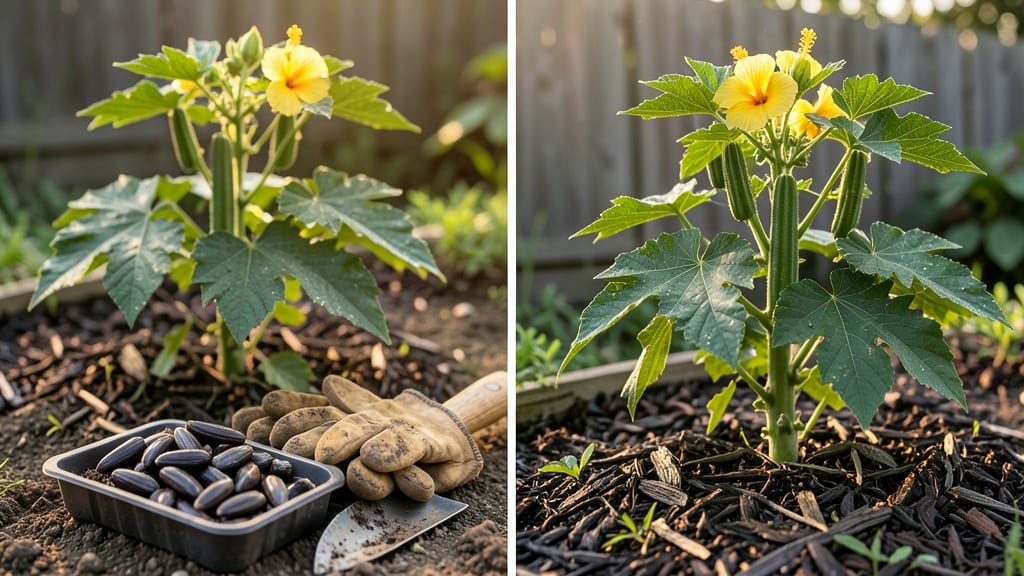
If you're wondering when to plant okra in Arkansas, timing is everything—especially in zones 7a-8b where heat and humidity can either make or break your harvest.
Plant too early, and frost will wipe out your seedlings; too late, and the Arkansas sun will send your okra bolting before you even get a pod. The sweet spot? Wait until soil temperatures hit 60°F and all frost risk has vanished—typically mid-April to early June.
But here's the kicker: okra isn't just a spring crop in Arkansas. While most gardeners focus on that initial planting window, savvy growers know summer and even early fall replantings can extend your harvest through October.
The key is understanding how Arkansas' heat zones affect growth speed and bolting risk—something I'll break down so you can avoid common mistakes and maximize your yield.
Let me show you exactly how to pinpoint the perfect planting window for your specific Arkansas location, including soil prep tricks and heat-zone-specific tips. You'll learn why some years demand earlier sowings, how to spot bolting before it happens, and which varieties thrive in Arkansas' sweltering summers.
Ready to turn your okra dreams into a bountiful reality?
Whether you're a first-time gardener or a seasoned pro, these insights will help you grow okra that's tender, abundant, and ready to harvest at just the right moment. Let's get your plants in the ground at the perfect time—no guesswork, just results.
Arkansas okra planting dates by heat Zone: USDA map breakdown
Arkansas spans USDA Hardiness Zones 6a to 8a, meaning your okra planting window varies by region. In Zone 6a (northwest Arkansas), wait until mid-May after the last frost—okra hates cold!
Meanwhile, in Zone 8a (southeast Arkansas), you can start as early as late March if soil warms to 60°F+. The key? Soil temperature, not air temperature.
Okra thrives in warm soil, and planting too soon leads to stunted growth. Use a soil thermometer to confirm 60°F+ before sowing. In Zone 7a (central Arkansas), aim for April 15 to May 1—this balances frost risk and heat tolerance.
For Zone 8a, extend your window to March 15 to June 1, but avoid late summer plantings—they often bolt before producing.
Here’s the critical rule: Plant okra 4–6 weeks before your first expected heatwave (typically late May to early June in Arkansas). This gives plants time to establish roots before 90°F+ temperatures trigger bolting.
In Zone 6a, this means late May plantings are ideal, while Zone 8a gardeners can start earlier.
🌱
🌱 Arkansas Okra Planting Calendar by USDA Zone
| USDA Zone | Last Frost Date | Ideal Planting Window | Soil Temp Threshold | Harvest Window |
|---|---|---|---|---|
| 6a (NW AR) | April 15 | Mid-May to June 1 | 60°F+ | July–October |
| 7a (Central AR) | March 30 | April 15–May 15 | 60°F+ | June–October |
| 7b (SE AR) | March 15 | Late March–June 1 | 60°F+ | May–November |
| 8a (SE AR) | February 15 | Late March–June 15 | 60°F+ | April–December |
🌡️ Pro Tip: Use black plastic mulch to warm soil faster in cooler zones (6a–7a).
For succession planting, sow new seeds every 2 weeks until June 15—this ensures a continuous harvest through October. In Zone 8a, you can even try a fall planting in August for late-season pods, but monitor for first frost (typically November 15 in most areas).
Okra is a short-day plant, meaning it bolts faster in long summer days. To delay bolting, plant shade cloth (30–50%) over seedlings during peak heat (June–July). Varieties like ‘Clemson Spineless’ and ‘Emerald’ handle Arkansas’ heat better than heirlooms, so choose wisely for your zone.
If you’re in Zone 6a, consider starting seeds indoors in late March and transplanting after May 1. This gives you a 2-week head start on the growing season.
For Zone 8a, direct sowing works fine, but protect young plants with row covers if nighttime temps dip below 50°F.
Remember: Okra hates cold soil, but it also bolts in extreme heat. The sweet spot? Plant when daytime highs are 75–85°F and nights stay above 60°F. Use a garden thermometer to track soil temps—this is your best tool for timing!
🌿
The 4-Week countdown before okra bolting: how to extend harvest time
Okra in Arkansas hates two things: unpredictable heat spikes and dry soil. Both trigger bolting—the plant’s desperate attempt to flower and seed before producing pods. In zones 7b–8a, where summer temps often hit 95°F+, bolting can cut your harvest short by 4–6 weeks if you don’t act.
Bolting happens when okra senses stress—whether from heat stress, water deprivation, or even overcrowding. The good news? With a 4-week pre-bolting plan, you can delay flowering by 30–50% and keep pods coming until first frost.
Start monitoring soil moisture and air temperatures the moment seedlings hit 12 inches tall.
🌱 Did You Know? Okra varieties like ‘Clemson Spineless’ and ‘Emerald’ are bred to handle Arkansas’ heat better than heirlooms. But even these need help during peak summer (July–August).
Here’s how to lower your bolting risk in those critical 4 weeks: Water deeply every 3 days (1–2 inches of water per week) and mulch with straw to retain moisture.
If temps hit 90°F+, provide afternoon shade with a 30% shade cloth—this tricks the plant into thinking it’s cooler and delays flowering.
For high-heat varieties, focus on ‘Red Raspberry’ or ‘Jinada’, which handle Arkansas’ humidity and heat better than traditional types. These can extend your harvest by 2–3 weeks compared to heirlooms.
Pro tip: Harvest aggressively during this window—removing pods 2–3 inches long signals the plant to keep producing instead of bolting. Pair this with a light fertilizer (like fish emulsion) every 2 weeks to support growth without overstimulating flowering.
If you see yellowing leaves or premature flowering, act fast: prune lower leaves to improve airflow and reduce watering slightly (okra bolts when it thinks it’s drought-stressed). With these tweaks, you’ll beat the Arkansas heat and enjoy pods until October. 🌿