
Plants
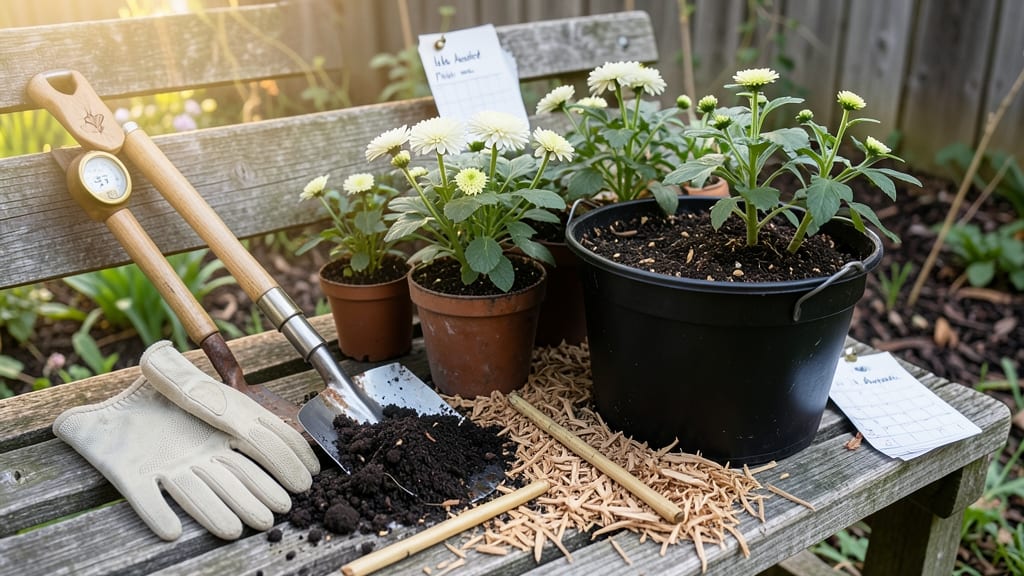
Planting your 🌼 mums in the ground at the wrong time can mean the difference between a showstopping fall display and sad, stunted blooms. The perfect planting window isn't just about the calendar—it's about understanding your local frost dates and soil temperatures to give these hardy flowers the best start.
For most gardeners in USDA Zone 6a (and similar climates), late summer to early fall is the sweet spot—typically 4-6 weeks before your first frost. This timing ensures your mums have enough warm days to establish roots and burst into color just as summer fades into autumn.
But here's the catch: rushing too early can leave them vulnerable to spring heat, while waiting too long risks frost damage before they even bloom. I'll break down exactly how to time your planting for full, vibrant blooms—no guesswork required.
Whether you're working with annuals for instant color or perennials that'll come back year after year, these insights will help you avoid common mistakes and create a mum display that steals the show every fall.
Planting mums by USDA hardiness Zone: exact frost-free deadlines
Your USDA hardiness zone determines the perfect window to plant mums in the ground. In zones 3-5, aim for late July to early August—4-6 weeks before your first frost.
For zones 6-8, stretch that window to mid-August through September to avoid early cold snaps. Coastal areas may have 2-3 weeks later deadlines since ocean breezes delay frost.
Soil temperature matters just as much as dates. Mums thrive when soil reaches 55-65°F. In Zone 7, that’s typically late July, while Zone 5 gardeners should wait until early August when nighttime temps stay above 60°F.
Use a soil thermometer or watch for leaf drop on nearby trees as a natural cue.
Here’s how to adapt your timing based on your zone and climate:
Mum Planting Deadlines by Zone
| Zone | Planting Window | Soil Temp Goal | First Frost Risk |
|---|---|---|---|
| 3-4 | Late July | 55-60°F | Late Sept |
| 5 | Early Aug | 60-65°F | Mid-Oct |
| 6-7 | Mid-Aug | 60-65°F | Late Oct |
| 8+ | Sept | 55-60°F | Nov |
Adjust 1-2 weeks later for coastal climates
If you’re in Zone 7 or warmer, don’t wait too long—planting after mid-September risks weak root establishment before winter. For Zone 5 and colder, prioritize early August planting to give roots time to anchor before frost.
In Zone 8+, you can even plant early fall for winter blooms, but choose frost-hardy varieties like 'Jolinda' or 'Pactolus'.
Raised beds warm up faster than in-ground soil, so Zone 5 gardeners can plant 1-2 weeks earlier in raised beds. Conversely, heavy clay soils stay cooler longer—amend with compost to speed up warming. Mulch with straw or pine needles after planting to maintain soil temps and retain moisture.
Pro tip: Use black plastic mulch to raise soil temps by 5-10°F in cooler zones. Lay it down 2 weeks before planting to create a warmer microclimate. Just remove it once mums are established to prevent overheating.
For container-grown mums, adjust timing by 1-2 weeks—containers dry out faster and cool quicker. Plant them when soil temps hit 60°F and water deeply every 2-3 days until roots establish. In Zone 6, this means late July to early August for containers.
Watch for local microclimates—south-facing slopes warm up earlier, while low-lying areas frost sooner. If your yard has frost pockets, plant mums on sheltered slopes or near stone walls to delay cold damage. A 5°F temperature difference can mean the difference between success and failure.
Remember: Perennial mums (like 'Bandini' or 'Medallion') can handle earlier planting since they return yearly, while annual mums need precise timing for fall color. Always check your plant tags for specific variety notes—some tolerate cooler soils better than others.
With the right timing, your mums will reward you with bold blooms from September through frost. Mark your calendar now—your fall garden depends on it! 🌼
How to tell if your soil is ready for mum planting (without a thermometer)
Checking soil temperature without a fancy thermometer is easier than you think. Mums thrive when soil reaches 55-65°F, but you can skip the gadget by observing nature's cues.
Look for leaf drop in nearby trees like maples or oaks—this signals dropping temps. When leaves start falling, your soil is likely cooling toward that sweet spot.
Another foolproof trick? Dig a 6-inch hole and check how quickly it refills with moisture. If water drains within 10 minutes, your soil is ready. Slow drainage means wait a few days. This test works for both in-ground and raised beds, though raised beds warm up faster.
🌱Pro Tip: Plant mums when nearby zinnia or marigold flowers start fading—they’re your soil’s built-in thermometer!
🌱 Key Takeaway: 3 Signs Your Soil Is Mum-Ready
- Leaf Drop: Trees like maples/oaks shedding leaves = 55-65°F soil
- Moisture Test: 6" hole drains in 10 mins = ready to plant
- Neighboring Plants: Zinnias/marigolds fading = optimal timing
🌿 Raised beds warm up faster—plant 1-2 weeks earlier than in-ground soil.
For cooler climates (Zones 3-5), aim to plant when your last frost date is 8-10 weeks away. Warmer zones (6-8) can wait until 6 weeks out. If you’re unsure, err on the side of planting slightly later—mums handle cooler soil better than they tolerate heat stress.
One more trick: Press your bare hand into the soil. If it feels warm but not hot (like a lukewarm bath), it’s perfect. Too hot? Wait a few days. This works best in morning sunlight when temps are stable.
Finally, if you’re planting potted mums, check the soil surface. When it’s dry to the touch 1 inch down, your outdoor soil is likely ready too. Just remember: Morning planting gives roots time to settle before evening heat.
✂️ Action Step: Grab a trowel, dig that test hole, and plant when 3+ signs align. Your fall blooms will thank you!