
Companion Plants
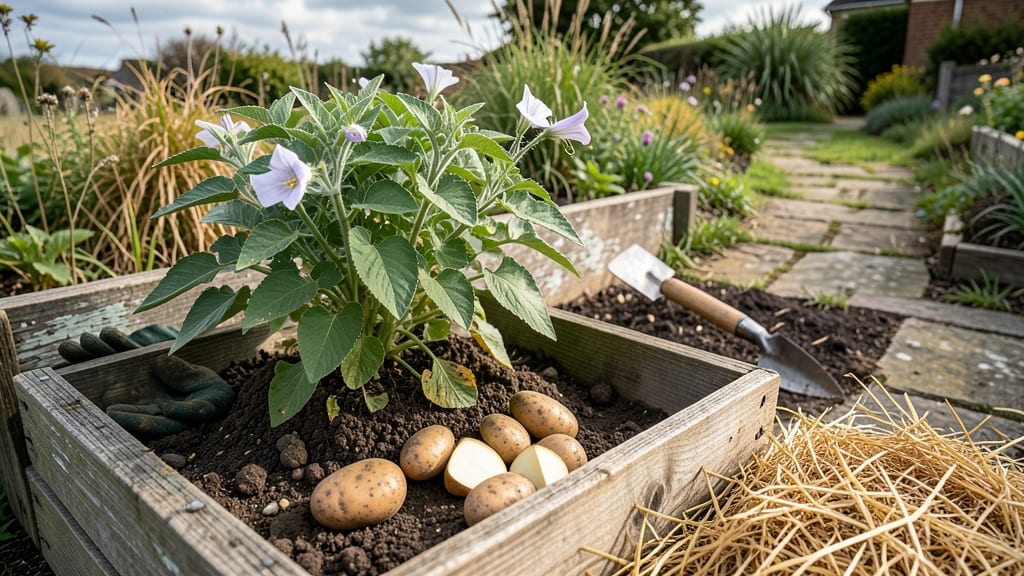
If you're wondering when to plant potatoes in Zone 5, timing is everything—get it right, and you'll enjoy a bumper crop of crisp, flavorful 🥔; get it wrong, and you might end up with frost-nipped sprouts or stunted tubers.
Zone 5’s chilly springs and unpredictable frost dates make potato planting a balancing act. Most gardeners here aim to plant as soon as the soil warms to 45°F, typically between mid-March and early April, but cold-hardy varieties can even go in late February with frost protection.
I’ve learned the hard way that rushing too early risks frost damage, while waiting too late cuts your harvest window short. The key is knowing your last frost date—usually mid-to-late May in Zone 5—and counting backward based on your potato variety’s maturity time.
Whether you’re a first-timer or a seasoned grower, this guide will help you pick the perfect planting window, choose the right varieties, and avoid common mistakes. Let’s dig in!
Zone 5 potato planting calendar: exact weeks before last frost
In Zone 5, where average last frost dates range from mid-April to late May, timing your potato planting is critical. Plant too early, and cold soil can stunt roots; too late, and your harvest window shrinks.
The key is to aim for 2–4 weeks before your last frost date, when soil temperatures reach 45°F (7°C)—the minimum for sprouting.
Most gardeners in Zone 5 plant potatoes in early to mid-April, but this varies by microclimate. For example, northern Zone 5 (5a) may wait until late April, while southern Zone 5 (5b) can start as early as mid-March under frost protection.
Always check your local USDA frost map for precision.
Here’s the golden rule: Plant when you can work the soil without compacting it, and your seed potatoes show 1-inch sprouts. This usually aligns with 2–3 weeks before the last frost, but don’t rush—cold soil delays germination.
For a second crop, you can plant late June to early July for a fall harvest, but choose faster-maturing varieties (60–90 days) to avoid early frosts. This strategy works best in warmer microclimates within Zone 5.
| Stage | Action | Zone 5 Timeline |
|---|---|---|
| Prep Soil | Test pH (5.0–6.5), add compost | Late February–March |
| Chit Seed Potatoes | Expose to light for 2–4 weeks | Early March–April |
| Plant Early Varieties | 2–4 inches deep, 12" apart | Early April (5b) or late April (5a) |
| Plant Mid/Late Varieties | Wait for soil >45°F | Mid-April to early May |
| Harvest New Potatoes | Dig when tubers are 2–3" | Late June–July |
| Harvest Main Crop | After foliage yellows | August–September |
Pro tip: Use a soil thermometer to confirm readiness—potatoes won’t sprout in soil below 45°F (7°C). If temperatures fluctuate, opt for cold-hardy varieties like ‘Kennebec’ or ‘Red LaSoda’, which tolerate brief frosts after sprouting.
Another trick is to plant in containers or raised beds, which warm up faster than ground soil. Fill containers with straw or leaves for insulation if nighttime temps dip below 32°F (0°C) after planting.
For gardeners in Zone 5a, where frosts linger longer, consider staggered planting: start with early varieties in late April, then mid-season types in early May. This spreads out your harvest and reduces risk.
Remember, late planting is better than no planting—even a June harvest beats none! Just choose fast-maturing varieties (e.g., ‘Early Girl’ or ‘Norland’) and protect plants with row covers if frost threatens.
Finally, mark your calendar for June 1—this is the absolute latest you should plant for a meaningful harvest in most of Zone 5. After that, your tubers won’t have enough time to mature before fall frosts.
How to adjust planting for Zone 5’s unpredictable spring weather
Zone 5’s spring weather is famously fickle—one day it’s 50°F and sunny, the next it’s 32°F with frost. This unpredictability forces us to get creative with planting strategies. The key is balancing soil temperature, frost protection, and early-season care to give your potatoes the best possible start.
I’ve planted potatoes in Zone 5 for over a decade, and I’ve learned that cold soil is the biggest hurdle. Potatoes won’t sprout until the soil reaches at least 45°F, but waiting for that can push planting into April—sometimes too late for late-season varieties.
My solution? A mix of frost cloth, black plastic mulch, and strategic companion planting to extend the growing window.
Here’s the critical rule: Plant as soon as the soil is workable, even if it’s still chilly. Use frost blankets or row covers for the first 2–3 weeks to shield tender sprouts.
I’ve seen potatoes planted in early March thrive under these protections, while unprotected plants in late March often struggle with late frosts.
⚠️ Warning: Planting Too Late
If you wait until after your last frost date (usually mid-May in Zone 5), you’ll cut your harvest window short. Late plantings often produce smaller tubers because they don’t have enough time to mature before fall frosts. Aim to finish planting by early May for most varieties.
Another trick I swear by is black plastic mulch. Laying it down 2–3 weeks before planting warms the soil faster and suppresses weeds. For extra insurance, I use straw mulch after sprouts emerge—it insulates roots and keeps moisture consistent.
This combo has helped me push my planting window back by 1–2 weeks without risking frost damage.
Don’t overlook companion planting either. Growing potatoes near marigolds or basil deters pests like Colorado potato beetles, while clover cover crops improve soil fertility. I plant a border of nasturtiums around my potato patch—they repel aphids and add a pop of color!
Just avoid planting near tomatoes or eggplants, as they share diseases.
Finally, monitor your plants closely. If a late frost threatens after sprouts appear, cover them immediately with frost cloth or even old blankets. I’ve saved entire rows this way!
And if your soil stays below 50°F for weeks, consider starting seed potatoes indoors in biodegradable pots and transplanting them once the ground warms.