
Plants
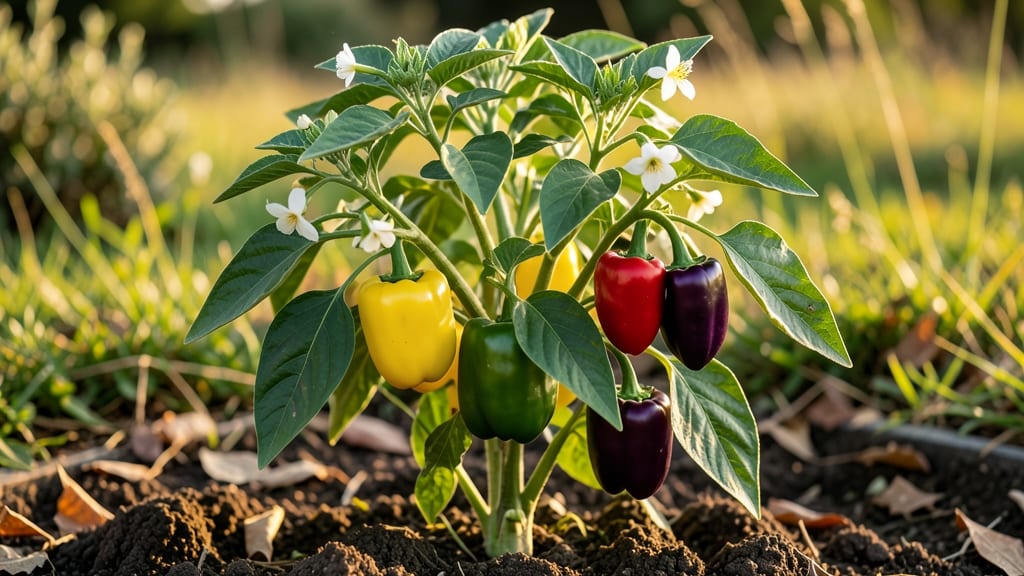
If you’ve ever wondered how tall does a bell pepper plant grow, the answer might surprise you—especially when you consider the dramatic differences between varieties. Some stay neatly under 2 feet, perfect for containers, while others stretch toward 4 feet, needing sturdy support.
The height of your 🌶️ bell pepper isn’t just about aesthetics; it directly impacts your harvest potential and garden layout.
Picture this: You’re planning your spring garden, and space is limited. Choosing the wrong variety could mean wasted room or overcrowded plants struggling to thrive. The good news?
With the right knowledge, you can pick bell peppers that fit your space like a glove—whether you’re a balcony gardener or managing a sprawling backyard. Let’s break down the height ranges and what they mean for your growing success.
From dwarf varieties that barely reach your waist to towering types that need trellises, the possibilities are endless. But here’s the key: understanding these differences helps you maximize yield, prevent disease, and even save time on maintenance.
Ready to discover which bell peppers will work best for your garden? Let’s dive into the details so you can plan with confidence.
Whether you’re a beginner or a seasoned gardener, knowing the height of your bell peppers is the first step to a thriving harvest. We’ll cover everything from compact picks for small spaces to tall-growing giants for larger plots—plus tips to keep your plants healthy no matter their size.
Your garden’s layout starts here.


Bell pepper plant height by variety: compact vs tall growing types
Bell pepper plants vary dramatically in height, from dwarf varieties that stay under 2 feet to tall-growing types reaching 4 feet or more. Your garden space, growing goals, and even your preferred harvesting method all depend on this key factor.
Whether you're working with a balcony container or a sunny backyard plot, knowing these height differences helps you plan for success.
Most bell pepper plants fall into three height categories: compact (1-2 feet), medium (2-3 feet), and tall (3-4 feet). The variety you choose directly impacts how much space you'll need, what kind of support structures you'll require, and even how you'll harvest your peppers.
For example, a 4-foot-tall plant needs trellising, while a 1.5-foot dwarf thrives in a 5-gallon pot.
Here’s how popular bell pepper varieties break down by height, including their ideal growing conditions and space requirements:
| Variety | Height Range | Growth Habit | Best For |
|---|---|---|---|
| 'Lunchbox' Pepper | 12–18 inches | Bushy, compact | Containers, small spaces |
| 'Jupiter' Bell Pepper | 24–30 inches | Semi-dwarf, upright | Balconies, raised beds |
| 'California Wonder' | 36–48 inches | Tall, spreading | In-ground gardens, trellises |
| 'Sweet Banana' Pepper | 24–36 inches | Medium, bushy | Small gardens, pots |
| 'Big Beautiful' | 40–48 inches | Tall, vigorous | Large gardens, trellis support |
If you're growing bell peppers in containers, stick to dwarf or semi-dwarf varieties like 'Lunchbox' or 'Jupiter'. These stay under 2 feet and thrive in 5-gallon pots with proper drainage.
For in-ground gardens, taller varieties like 'California Wonder' or 'Big Beautiful' produce more peppers but need 3–4 feet of vertical space and may require stakes or cages to prevent sprawling.
One common misconception is that all bell peppers need full sun and sprawling space. In reality, compact varieties can flourish in partial shade (though yield may drop) and are perfect for urban gardeners with limited room.
For example, 'Lunchbox' peppers grow just as well in a hanging basket as they do in a garden bed, as long as they get 6+ hours of sunlight daily.
For high-yielding gardens, taller varieties often win because they produce more fruit. However, their sprawling growth habit can lead to disease risks if branches touch the soil. That’s why I always recommend pruning and trellising for varieties like 'California Wonder'—it improves air circulation and makes harvesting easier.
Pro tip: If you love a particular variety but lack space, try pruning side shoots to control height. This encourages the plant to focus energy on fruit production rather than vertical growth. Just avoid cutting into the main stem, as this can stunt the plant entirely.
Finally, consider your harvesting style. Taller plants make it harder to reach ripe peppers at the top, while compact varieties let you pluck them with ease. If you have back issues or mobility concerns, dwarf varieties are a game-changer for stress-free gardening.
🌱
Bell pepper plant height by variety: compact vs tall growing types
When planning your garden, knowing how tall does a bell pepper plant grow helps you choose the perfect variety for your space. Bell peppers typically range from 1 to 4 feet in height, depending on the type.
Dwarf varieties stay under 2 feet, making them ideal for containers or small gardens, while standard types can reach 3 to 4 feet, requiring more space or support.
Understanding these differences isn’t just about aesthetics—it’s about maximizing your harvest. Tall varieties often produce more peppers but need sturdy trellises or cages to prevent sprawling. Meanwhile, compact types are perfect for urban gardeners or those with limited square footage.
Let’s explore the most popular varieties and their height ranges to help you make the best choice for your garden.
Here’s the key visual comparison to guide your selection:
For example, the 'Lunchbox' variety stays under 2 feet, making it perfect for a 5-gallon container on your balcony. In contrast, the 'King of the North' can reach 4 feet and thrives when staked or trellised.
Choosing the right height ensures your plants have enough room to grow without competing for sunlight or nutrients.
Another factor to consider is the growth habit of each variety. Some, like 'California Wonder', grow bushier and benefit from pruning to encourage airflow. Others, such as 'Jupiter', grow taller and need vertical support to prevent breakage.
Always check seed packets or plant tags for specific care instructions to set your garden up for success.
If you’re growing in containers, opt for dwarf or semi-dwarf varieties to avoid root-bound issues. For in-ground planting, taller types can thrive with proper spacing—typically 18–24 inches apart—to give them room to spread.
Remember, the right height isn’t just about space; it’s about creating an environment where your peppers can flourish and produce a bountiful harvest.
Start by matching your garden’s layout to the height of your chosen variety. Whether you’re working with a small balcony or a sprawling backyard, selecting the right bell pepper height sets the stage for a productive and enjoyable growing season. 🌱