
How To
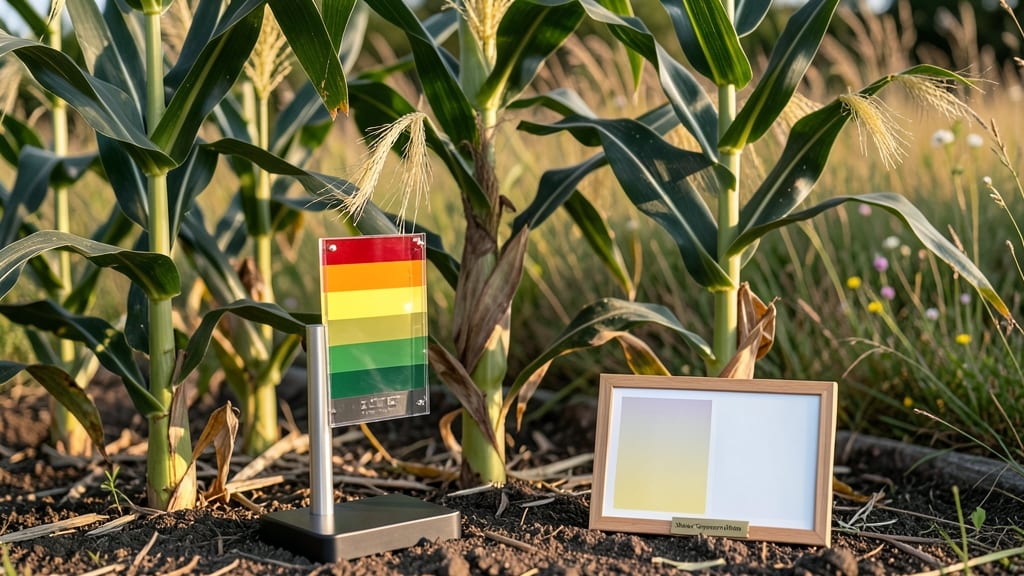
If your 🌽 corn plants are stretching tall and weak instead of strong and sturdy, you’re probably missing the one key factor that makes all the difference: how much light does a corn plant need? Sunlight isn’t just another plant requirement—it’s the fuel that transforms weak stalks into the sturdy, productive plants you’re after.
Corn demands bright, direct light to grow those sweet, plump ears you’re craving.
Most gardeners assume corn will thrive as long as it’s outside, but without the right light exposure—at least 6 to 8 hours of full sun daily—you’ll end up with pale, spindly stalks that barely produce. The good news?
Fixing this is simpler than you think. Whether you’re working with a sunny backyard or a shady corner, I’ll show you exactly how to give your corn the light it craves—and spot the warning signs when it’s not getting enough.
From adjusting your planting spot to supplementing with grow lights, we’ll cover everything you need to know to keep your corn happy and productive. No more guessing games—just clear, actionable steps to turn your patch of dirt into a corn-growing powerhouse.
Ready to unlock the secret to lush, healthy corn? Let’s dive in and make sure your plants get the sunlight they’re begging for.

Ideal light requirements for corn plants: direct vs indirect sunlight explained
Corn plants are sun worshippers—they crave bright, direct sunlight to grow those sweet, plump ears we all love. Without enough light, your corn will stretch tall and weak, or worse, produce tiny, underdeveloped ears.
Let’s break down exactly how much sunlight corn needs and what happens when it doesn’t get enough.
Most corn varieties require 6 to 8 hours of direct sunlight daily for optimal growth. This means placing your corn in a spot where the sun shines unobstructed for most of the day.
If you’re growing corn in containers, move them to a sunny patio or balcony during peak sunlight hours to supplement indoor light.
Indirect sunlight won’t cut it for corn. While partial shade might work for some plants, corn plants will bolt (flower prematurely) or produce poor-quality ears if they don’t get enough direct light. Think of corn like a sunbather—it needs the full UV experience to thrive.
Here’s how to measure sunlight in your garden: Use a sunlight tracker or observe your yard for a few days. Note when shadows fall and how long they last.
If your corn spot gets less than 6 hours of direct sun, you’ll need to supplement with grow lights or relocate your plants.
Signs your corn isn’t getting enough light include yellowing leaves, stunted growth, and long, weak stalks. If you notice these, it’s time to act—either move your plants or add artificial light to keep them happy.
| Requirement | Specification |
|---|---|
| Minimum Daily Sunlight | 6 hours |
| Optimal Daily Sunlight | 6-8 hours |
| Light Type | Direct sunlight |
| Signs of Insufficient Light | Yellow leaves, weak stalks, poor ear development |
| Best Window Placement (Indoor) | South-facing window |
If you’re growing corn in containers or indoors, place them near the sunniest window in your home. South-facing windows are ideal because they capture the most sunlight throughout the day.
For indoor growers, a south-facing window paired with a reflective surface (like a mirror) can help bounce extra light onto your plants.
Corn plants also need consistent sunlight. Avoid moving them around frequently, as this can stress the plants and disrupt their growth. If you’re using grow lights, keep them 12-24 inches above the plants and provide 12-16 hours of light per day to mimic natural daylight cycles.
In shady climates or urban areas, you might need to use a combination of natural and artificial light.
For example, place your corn plants in the sunniest part of your balcony or patio and supplement with a full-spectrum LED grow light for a few hours in the evening if needed.
Pro tip: Monitor your corn plants closely during the first few weeks after planting. If they start to lean toward the light or develop pale, weak leaves, it’s a clear sign they need more sunlight. Adjust their position or add a grow light immediately to prevent stunted growth.
Remember, corn is a high-energy crop. The more sunlight it gets, the better the yield. With the right amount of light, your corn plants will grow strong, tall, and ready for harvest—packed with those sweet, juicy kernels we all love.
Ideal light requirements for corn plants: direct vs indirect sunlight explained
Corn plants are sun worshippers—they crave full sun exposure to grow those towering stalks and plump ears. Without enough light, your corn will stretch weakly, produce poor ears, or even fail to pollinate.
The sweet spot? 6 to 8 hours of direct sunlight daily, with 8 hours being ideal for maximum yield and kernel development.
Direct sunlight means unfiltered rays hitting the leaves, not just the gentle glow from a nearby window. Corn thrives outdoors in open, sunny locations with minimal shade from trees or buildings.
If you're growing corn in containers, place them where they get unobstructed sunlight for most of the day, like a south-facing patio or balcony.
Here’s how to measure sunlight in your garden: Use a sunlight tracker (a simple app or even a notebook) to record how many hours your spot gets direct sun.
Aim for at least 6 hours—any less, and you’ll risk leggy, weak stalks and underdeveloped ears. Morning sun is great, but afternoon sunlight is critical for energy production.
| Light Requirement | Specification | Signs of Deficiency |
|---|---|---|
| Minimum Daily Sunlight | 6 hours | Stunted growth, pale leaves |
| Optimal Daily Sunlight | 8 hours | Healthy stalks, full ears |
| Maximum Tolerable Shade | 2-3 hours | Poor ear development, weak stalks |
| Best Sunlight Window | 6 AM – 6 PM | N/A |
If your corn starts showing yellowing leaves or stretched-out stalks, it’s begging for more light. Move it to a sunnier spot immediately—corn won’t recover well from light deprivation. For indoor growers, supplemental grow lights are a game-changer, especially in cloudy climates or during winter months when daylight shrinks.
Pro tip: Rotate your corn plants every few days if growing in containers. This ensures even light exposure on all sides, preventing lopsided growth. Even outdoor corn benefits from occasional rotation to keep stalks straight and strong as they reach for the sky.
Remember, light is non-negotiable for corn. Skimp on sunlight, and you’ll end up with small ears or no ears at all. But get it right, and you’ll be rewarded with tall, productive stalks bursting with sweet kernels. 🌽☀️