
Plants
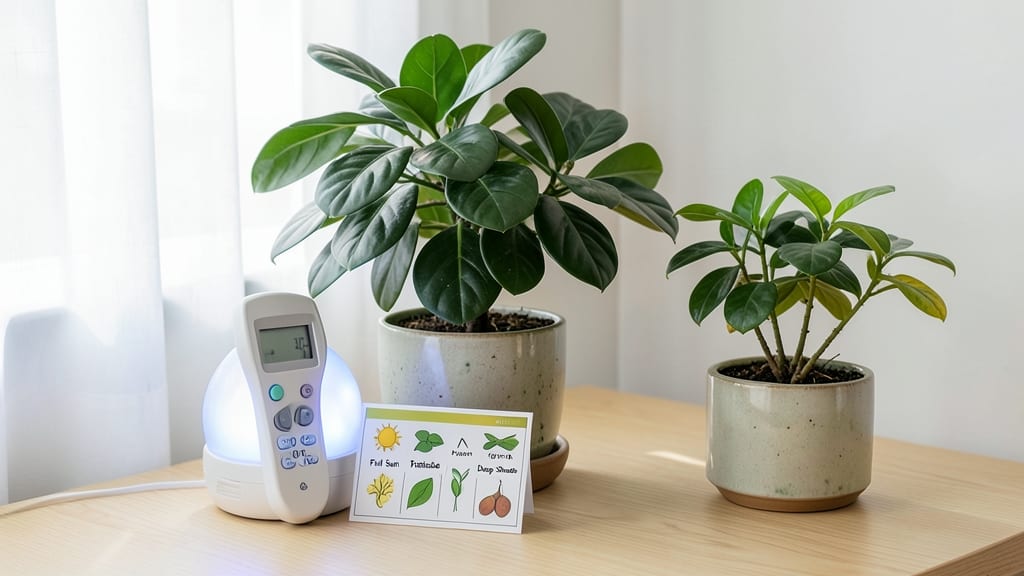
Optimal light requirements for umbrella plants: sun, shade, OR something in-between?
Your umbrella plant (Schefflera actinophylla) thrives in bright, indirect light, but finding the perfect balance is key. Too much direct sun causes leaf scorch, while too little dims its signature foliage. Let’s break down the ideal light conditions to keep your plant lush and vibrant.
In nature, umbrella plants grow under dappled forest light, which mimics the filtered sunlight they prefer. This means you’ll want to recreate that environment—whether indoors or outdoors. For indoor plants, an east- or west-facing window is ideal, while outdoor plants should avoid harsh afternoon rays.
Did You Know? Umbrella plants can tolerate 2-3 hours of morning sun in cooler climates, but their leaves will crisp in intense afternoon heat. This adaptability makes them versatile, but precision is key for long-term health.
| Light Condition | Ideal Hours | Indoor Placement | Outdoor Placement |
|---|---|---|---|
| Bright Indirect Light | 4-6 hours | East/West window, 2-3 ft away | Morning sun, afternoon shade |
| Partial Sun | 2-3 hours | North window with grow light | Dappled shade under trees |
| Low Light | Less than 2 hours | Artificial grow light, 6-12 inches away | Avoid—leads to leggy growth |
Outdoor umbrella plants in USDA Zone 6a can handle filtered afternoon shade during summer, especially in hot climates. If you notice brown leaf tips, move your plant to a shadier spot immediately. Conversely, if leaves appear pale or stretched, it’s craving more light.
Seasonal adjustments are crucial. In spring and fall, umbrella plants thrive with 4-6 hours of bright light daily. During summer’s peak intensity, reduce direct exposure to 2 hours or less to prevent stress. Winter? Increase light exposure if indoors, as shorter days can slow growth.
For indoor growers, a south-facing window can work, but use a sheer curtain to diffuse harsh rays. If your plant is near a west-facing window, rotate it weekly to ensure even growth. Uneven light exposure causes lopsided foliage—a common issue in homes with single light sources.
Pro Tip: Use a DIY light meter by placing your hand near the plant. If you feel warmth, the light is too intense. Adjust placement until the leaves feel gently warm, not scorching. This simple trick saves your plant from sunburn before it starts!
Watch for these light deficiency signs: yellowing leaves, slow growth, or leaves that drop prematurely. These are your plant’s SOS signals. Conversely, leaf scorch (brown, crispy edges) means it’s getting too much sun. Address these issues quickly to keep your umbrella plant thriving.
Remember, umbrella plants are adaptable but not forgiving when it comes to light. With the right balance, you’ll reward yourself with glossy, vibrant leaves that make any space feel alive. Start with the ideal conditions, then fine-tune based on your plant’s responses.
How to adjust your umbrella plant’s light exposure for maximum growth
Adjusting your umbrella plant’s light exposure isn’t just about moving it once—it’s about creating a dynamic environment that mimics its natural habitat. These plants thrive in bright, indirect light, but indoor spaces often fall short.
Start by placing your plant near an east-facing window, where morning sun is gentler than harsh afternoon rays. If your home lacks natural light, grow lights become your best friend.
For low-light conditions, like north-facing rooms, supplement with a full-spectrum LED grow light placed 12-18 inches above the plant. Run it for 12-14 hours daily to replicate daylight.
Rotate the pot quarter-turn weekly to prevent lopsided growth toward the light source. This simple trick ensures even exposure and keeps those umbrella-shaped leaves symmetrical.
Never move your umbrella plant from low light to bright sun overnight—it’ll cause leaf scorch within days. Instead, acclimate gradually by increasing light exposure over 1-2 weeks. Watch for yellowing leaves or crispy edges as red flags.
Outdoor growers face a different challenge: protecting from intense sunlight. If your plant spends summers outside, choose a dappled shade spot under trees or use a 50% shade cloth during peak hours (10 AM–4 PM).
In hot climates, even filtered light can be too much—test by placing your hand near the leaves. If it feels too warm, the plant needs more shade.
Seasonal adjustments are key. During winter’s shorter days, extend light with a timer-controlled grow light. In summer’s long days, reduce direct sun exposure to prevent stress.
A white sheer curtain over a south-facing window diffuses light beautifully while maintaining brightness. This dual approach keeps your plant happy year-round without guesswork.
DIY solutions work wonders too. A reflective surface like a mirror or white-painted wall behind the plant bounces light upward, boosting brightness by 30%. For indoor setups, group plants together—their combined foliage creates a microclimate that softens harsh light.
Just avoid overcrowding, which traps humidity and invites fungal issues.
Pro tip: Use a light meter app (like "Light Meter" for smartphones) to measure foot-candles. Aim for 500-1,000 foot-candles of indirect light—this range keeps your umbrella plant thriving without risking damage. Adjust placement until you hit that sweet spot, and watch your plant reward you with glossy, vibrant leaves.