
Plants
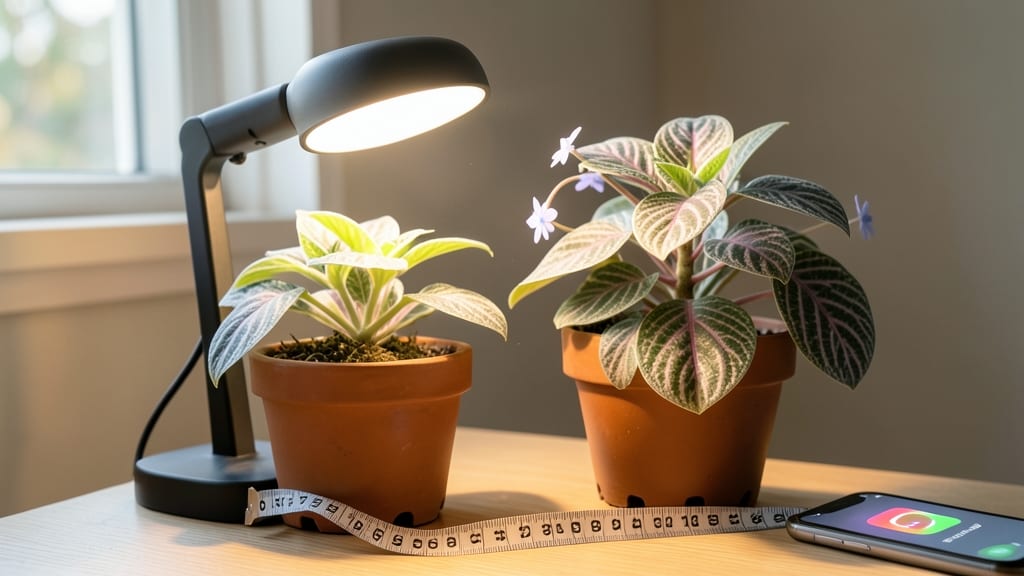
If your inch plant 🌱 looks more like a sad, stretched-out shadow than a vibrant underwater beauty, you're probably missing the mark on its light needs. The right balance of brightness can transform your plant from leggy and weak to lush and thriving—without risking algae overgrowth or burned leaves.
Most beginners assume these aquatic plants need dim lighting, but the truth is, inch plants thrive with bright indirect sunlight—just not the harsh midday glare. Think of it like a sunbather: they want plenty of light, but with some shade to prevent a sunburn.
I'll show you exactly how to recreate that perfect underwater glow, whether you're working with a sunny window or artificial grow lights.
You don't need a degree in botany to get this right. We're talking simple adjustments like rotating your tank for even light distribution or choosing the right LED spectrum for indoor setups.
The key is understanding how much light your plant actually needs—typically 4-6 hours of bright indirect light daily—and how to spot when you're giving it too little (or too much).
Let's dive into the specifics so you can finally grow that inch plant 🌱 of your dreams—without the guesswork. You'll learn how to measure light intensity, adjust for seasonal changes, and keep your aquatic garden looking its best year-round.

Optimal light requirements for inch plants: bright indirect sunlight explained
The inch plant (commonly Vallisneria or similar aquatic varieties) thrives under bright indirect sunlight, making it perfect for homes with filtered light. Unlike sun-loving succulents, these plants need gentle light to prevent leaf burn while still fueling robust growth.
Think of it like a morning coffee—just enough to energize without overdoing it!
Most inch plants require 1000-1500 foot-candles of light, roughly equivalent to 3-6 feet from an east-facing window during daylight hours. This range ensures photosynthesis happens efficiently without stressing the plant.
For reference, a cloudy day provides about 1000 foot-candles, while direct midday sun can hit 10,000 foot-candles—way too intense!
🌱 Why bright indirect light? Inch plants are adapted to submerged aquatic environments, where sunlight filters through water. Too much direct light causes oxidative stress, turning leaves brown or yellow.
Too little leads to stunted, pale growth and weak stems. The goal is a balanced glow that mimics their natural habitat.
Inch Plant Light Requirements
| Requirement | Specification |
|---|---|
| Light Intensity | 1000-1500 foot-candles |
| Daily Duration | 6-8 hours |
| Light Type | Bright indirect (east/west window) |
| Ideal Placement | 3-6 ft from window |
| Avoid | Direct midday sun, north-facing windows |
To measure light in your space, use a light meter app (like Light Meter for smartphones) or observe nearby plants. If your inch plant’s leaves are dark green and upright, you’ve nailed the light balance.
If they’re stretching toward the light, it’s time to adjust—either move the plant closer or supplement with a grow light.
In aquatic setups, inch plants often grow submerged, so light penetrates water differently. Place them in the upper third of the tank where light is brightest but not scorching.
If your tank has a low-light spectrum bulb, pair it with a timer for 8 hours/day to mimic natural cycles.
Seasonal changes matter too! During winter months, natural light weakens, so rotate your plant quarter-turns weekly to prevent uneven growth. In summer, use sheer curtains to diffuse harsh afternoon rays. Pro tip: East-facing windows are ideal—they offer gentle morning light without the midday intensity.
💡 Light hack for beginners: Place your inch plant on a rotating plant stand (like a lazy Susan) to ensure even light exposure. This mimics nature’s way of distributing sunlight and prevents lopsided growth. Even a DIY cardboard stand with a slow-turning motor works!
Remember, inch plants are low-maintenance but light-sensitive. A few minutes daily checking for color changes or leaf texture will help you fine-tune the perfect spot. Over time, you’ll develop an instinct for what your plant needs—just like reading its silent language of green thumbs!
☀️ For aquatic lovers, pair bright indirect light with moderate water movement (like a gentle bubbler) to replicate their natural environment. This combo ensures your inch plant grows tall, vibrant, and healthy—ready to become the star of your pond or terrarium!
Optimal light requirements for inch plants: bright indirect sunlight explained
Your inch plant 🌱 needs bright indirect sunlight to grow its signature vibrant green leaves and sturdy stems. Unlike low-light aquatic plants, these thrive with 1000-1500 foot-candles—similar to the light levels found under a canopy of trees on a sunny day.
This bright-but-filtered light mimics their natural underwater habitat where sunlight penetrates but isn't intense.
The key is avoiding harsh direct sunlight, especially during peak afternoon hours when UV rays can scorch delicate leaves. Think of positioning your plant near an east-facing window where morning sun is gentle, or using sheer curtains to diffuse the light.
I've found that placing my tank about 3-5 feet from a south-facing window works perfectly—just rotate it weekly for even growth.
Here's the science behind why this matters: inch plants perform photosynthesis most efficiently under moderate light. Too little light leads to weak stems and pale leaves, while too much causes brown patches or algae blooms.
The ideal balance promotes dense foliage and prevents leggy growth that makes plants look weak and stretched.
| Light Requirement | Specification | Notes |
|---|---|---|
| Intensity | 1000-1500 foot-candles | Bright indirect sunlight (like under tree canopy) |
| Daily Duration | 4-6 hours | Morning sun preferred; avoid peak afternoon |
| Best Window | East-facing | South-facing with sheer curtains works too |
| Light Type | Bright indirect | Never direct midday sun |
To measure your light conditions, use a light meter app (many free options exist) or the shadow test: place a small object near your plant and check its shadow size. A sharp, defined shadow means too much direct light, while a soft, diffuse shadow indicates perfect conditions.
I recommend aiming for a shadow that's about half the object's size—this shows you're in that sweet spot of bright indirect light.
Seasonal adjustments are crucial too. During summer months, your plant may need afternoon shade to prevent overheating, while in winter, you might need to supplement with grow lights to maintain those 4-6 hours.
The goal is consistency—inch plants respond best to stable light conditions rather than dramatic fluctuations.
Remember that water quality plays a supporting role here. While light is the star of the show, clean, filtered water and proper fertilization (like a 5-10-10 NPK ratio every 4-6 weeks) help your plant make the most of that perfect lighting.
When all these factors align, you'll see those glossy, dark green leaves and sturdy stems that make inch plants so rewarding to grow.