
Plants
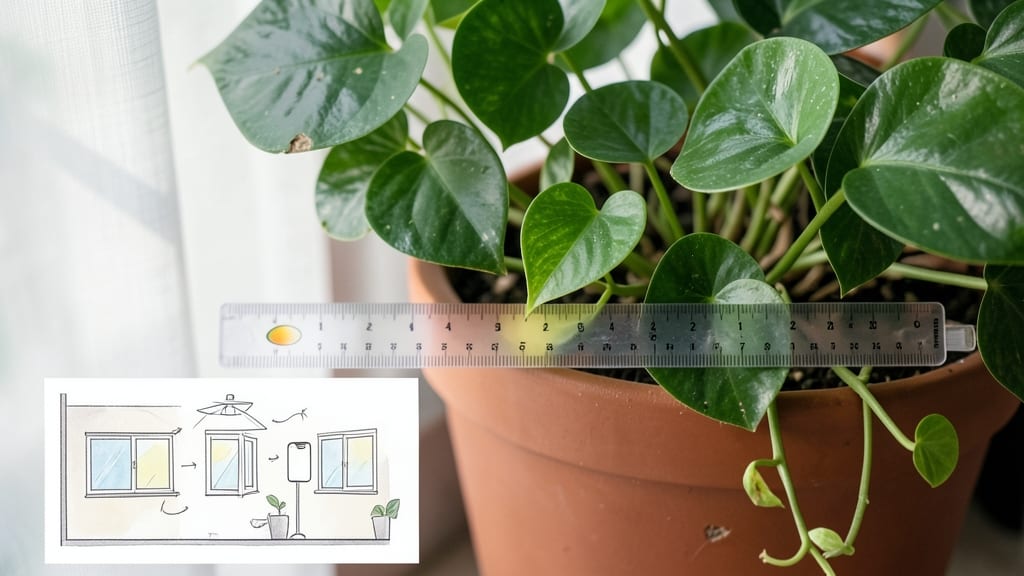
If your Philodendron plant 🌿 looks tired—leggy stems, dull leaves, or slow growth—chances are, its light needs aren’t being met. The truth is, most people either overthink or oversimplify how much light does a philodendron plant need, and that’s why their plants struggle to thrive.
Philodendrons aren’t picky, but they do demand bright indirect light—think of it as the Goldilocks of plant care: not too harsh, not too dim, but just right. Too little light, and your plant stretches desperately toward the nearest window.
Too much direct sun, and those gorgeous leaves start crisping at the edges. The key is finding that sweet spot where your Philodendron’s growth explodes with lush, vibrant foliage.
I’ve helped countless plant parents turn their struggling Philodendrons into showstoppers by mastering this balance.
In this guide, I’ll break down exactly how much light your Philodendron needs, where to place it in your home for optimal results, and how to spot the telltale signs when you’ve got it just right—or when you’ve gone wrong.
Whether you’re dealing with a heartleaf variety or a trailing monstera-like Philodendron, the principles are the same. Let’s get your plant basking in the perfect glow so you can enjoy its full potential—without the guesswork.

Ideal light conditions for philodendron growth: bright indirect light explained
Philodendrons thrive in bright indirect light, which mimics their natural understory habitat. This means they need plenty of ambient light without harsh, direct rays that can burn delicate leaves.
Think of it like a dappled forest floor—soft, diffused, and abundant. Understanding this balance is key to preventing common issues like yellowing leaves or slow growth.
Direct sunlight acts like a leaf scorch accelerator, causing crispy brown edges and faded foliage. Meanwhile, low light leads to leggy stems and sparse leaves as the plant stretches toward any available light source.
The goal? Position your philodendron where it gets 4-6 hours of bright indirect light daily, like near an east-facing window or a few feet back from a south-facing one.
Here’s how to visualize bright indirect light in your home: Imagine standing under a sheer curtain on a sunny day—the light should feel bright but not harsh. If you can read a book comfortably without needing a lamp, your philodendron will likely thrive in that spot.
Avoid placing it directly in front of a window unless it’s heavily filtered.
The light spectrum matters too—philodendrons prefer the cooler, blue-rich light of morning sun over the intense, heat-emitting rays of afternoon sunlight. If your home lacks natural light, consider supplementing with a grow light (like a full-spectrum LED) for 6-8 hours daily.
Position it 6-12 inches above the plant to mimic natural light conditions.
For heartleaf philodendrons, slightly lower light tolerance makes them great for offices or bathrooms, while varieties like philodendron hederaceum (with larger leaves) crave a bit more brightness. Rotate your plant quarter-turns weekly to ensure even growth and prevent lopsided exposure. This simple habit encourages bushier, fuller foliage over time.
Pro tip: Use a light meter (or your phone’s lux app) to measure light levels. Ideal conditions hover around 10,000-15,000 lux for bright indirect light. If readings drop below 5,000 lux, supplement with artificial light immediately to avoid stunted growth.
Watch for new growth patterns as your best indicator of success. Healthy philodendrons produce smaller, darker leaves in low light (a survival tactic) and larger, vibrant leaves in optimal conditions. Adjust placement gradually—sudden changes can shock the plant.
Remember, philodendrons are adaptable, but they communicate their needs through leaf signals. A little experimentation will help you find the perfect spot where your plant flourishes without stress. Start with the brightest indirect light you can offer, then tweak as you observe its response.
🌿
Ideal light conditions for philodendron growth: bright indirect light explained
Philodendrons thrive in bright indirect light, which mimics their natural understory habitat in tropical forests. This means they need plenty of light—but not the harsh, direct rays that can burn their delicate leaves.
Think of it like a sunbathing session at the beach: you want enough rays to feel warm, but not so much that you get sunburned.
The ideal light spectrum for a philodendron falls between 1,000 to 3,000 foot-candles of light. For reference, that’s roughly the light intensity you’d find a few feet away from an east- or north-facing window on a cloudy day.
If you’re unsure about your space’s light levels, I recommend using a light meter app to check—it’s a game-changer for plant parents!
Here’s how to identify bright indirect light in your home: hold a piece of white paper near your philodendron’s usual spot. If you can read the paper comfortably but it’s not blinding, you’re in the right range.
Direct sunlight will cast sharp shadows, while low light will make the paper appear dim and hard to read.
Philodendrons use light for photosynthesis, but they also rely on it to regulate their growth hormones. When they don’t get enough light, they stretch toward the nearest source—a phenomenon called etiolation.
This results in long, weak stems and small, sparse leaves. On the flip side, too much direct light causes oxidative stress, leading to leaf burn and a decline in overall health.
If you’re growing a heartleaf philodendron (Philodendron hederaceum), it’s slightly more tolerant of lower light conditions than varieties like the Brazil philodendron (Philodendron bipinnatifidum). However, all philodendrons will reward you with larger, more vibrant leaves when placed in bright indirect light.
Pro tip: Rotate your plant every few weeks to ensure even growth and prevent it from leaning toward one side.
For those with south-facing windows, you’ll need to filter the light using sheer curtains or a light-colored blind. Avoid placing your philodendron directly on a windowsill—even indirect sunlight can become too intense.
Instead, position it 2-3 feet away from the window where it can still benefit from the gentle glow without the risk of sunburn.