
Plants
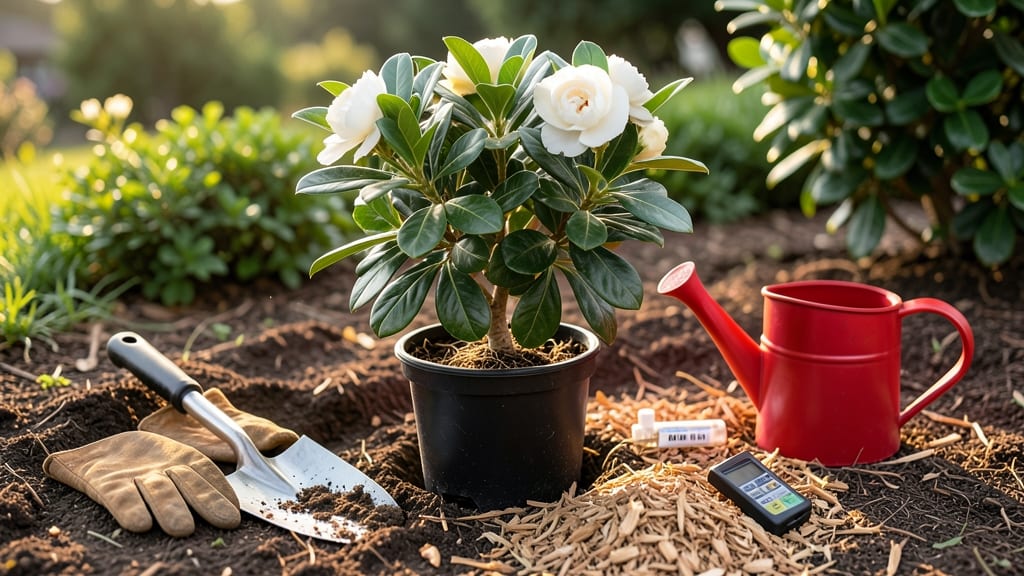
Timing your gardenia planting just right in North Carolina could mean the difference between a thriving 🌸 shrub and a sad, frost-nipped disappointment. With USDA zones 7a-8b bringing unpredictable frost dates, knowing when to plant gardenias in NC is the key to those fragrant blooms you dream of.
Most gardeners in NC wait until after the last frost—typically mid-March—but that’s not the whole story. Coastal areas might play it safer in April, while Piedmont regions could push it to late February with some protection.
The goal? Give those roots time to establish before summer’s heat or fall’s chill hits.
I’ll break down the exact months to plant based on your region, plus pro tips for soil prep and post-planting care that’ll have your gardenia off to a strong start. Whether you’re a first-time gardener or a seasoned pro, these insights will help you avoid common mistakes.
Ready to turn your yard into a fragrant paradise? Let’s dive into the perfect planting window for your climate and get those gardenias growing like a dream.
NC frost zones & gardenia planting windows by region
North Carolina’s USDA zones 7a-8b create a tricky balance for gardenia lovers. These semi-tropical shrubs thrive in warmth but can’t handle frost—so timing matters. The coastal regions (8a-8b) have milder winters, while the Piedmont (7a-7b) faces harsher freezes.
Let’s break it down by zone to pinpoint your perfect planting window.
For zone 7a (Piedmont), like Asheville or Greensboro, aim for mid-April planting after the last frost date (usually March 15-20). Gardenias planted in March risk frost damage if temperatures dip below 28°F (-2°C).
In zone 8a (sandhills), such as Fayetteville, you can plant as early as late March—just monitor weather forecasts.
Coastal NC (zone 8b, Wilmington or Outer Banks) enjoys a longer growing season. Here, February-March planting works if you’re prepared for light frost protection. The first frost typically arrives in mid-November, giving you a 9-month growing window—plenty of time for blooms!
Pro tip: Use the NC State Extension’s frost calendar (available online) to track local frost dates. Even a 2-week delay can mean the difference between a thriving gardenia and a frost-killed sapling.
🌱
If you’re in zone 7a or colder, like the mountains, delay planting until late April to avoid frost. These areas experience hard freezes below 20°F (-7°C), which can kill young gardenias.
For coastal gardeners, February planting is ideal—just be ready to cover plants if a late frost sneaks in.
Soil temperature also matters. Gardenias need 60°F+ soil to root well. Use a soil thermometer to check—if it’s below 55°F (13°C), wait a few more days. March planting in most of NC aligns perfectly with these conditions, giving your gardenia a 6-month head start before winter.
For container gardeners, timing is flexible. You can plant anytime after last frost since pots warm up faster. Just move containers indoors or under a frost cloth if temperatures drop. This flexibility lets you enjoy gardenias even in short-season zones.
Remember: Gardenias bloom on new wood, meaning they need warm weather to set buds. Planting in April ensures your shrub has enough time to establish roots before the summer heat triggers blooms. In zone 8b, you might even see first flowers by July!
🌿
NC frost zones & gardenia planting windows by region
North Carolina’s USDA zones 7a-8b create unique challenges for gardenia lovers. The last frost date varies wildly—from late February in the coastal plain to early April in the mountains. Planting too soon risks frost damage, while waiting too long cuts your shrub’s root-establishment window short.
For zone 7a (western NC), aim for mid-April planting to avoid late frosts. Gardeners in zone 8a (coastal areas) can start as early as late February with protection. The Piedmont region (zone 7b) typically plants in March, balancing frost risk and summer heat.
🌱 Pro Tip: Check your local Cooperative Extension Service frost date maps—these are more accurate than general USDA guidelines for NC.
| Region | USDA Zone | Last Frost Date | Best Planting Window | Key Consideration |
|---|---|---|---|---|
| Coastal Plain | 8a-8b | Late Feb - Early March | Late Feb - Early April | Humidity helps frost recovery |
| Piedmont | 7b | Mid-March | March - Early April | Hot summers require shade prep |
| Mountains | 7a | Early April | Mid-April - May | Shorter growing season |
Even in zone 8a, I’ve seen unexpected frosts in March—so always have frost cloth ready. The 10-year average gives you a baseline, but microclimates (like south-facing slopes) can shift your ideal window by weeks.
After planting, focus on soil moisture and mulch depth—gardenias hate dry roots. In zone 7a, I’ve seen gardenias survive winters with 6+ inches of mulch, while coastal plants need less protection from cold.
🌿 Remember: Gardenias planted in May may still bloom, but they’ll be smaller and less vigorous. The sweet spot is always after last frost with at least 6 weeks before summer heat arrives.