
Planting
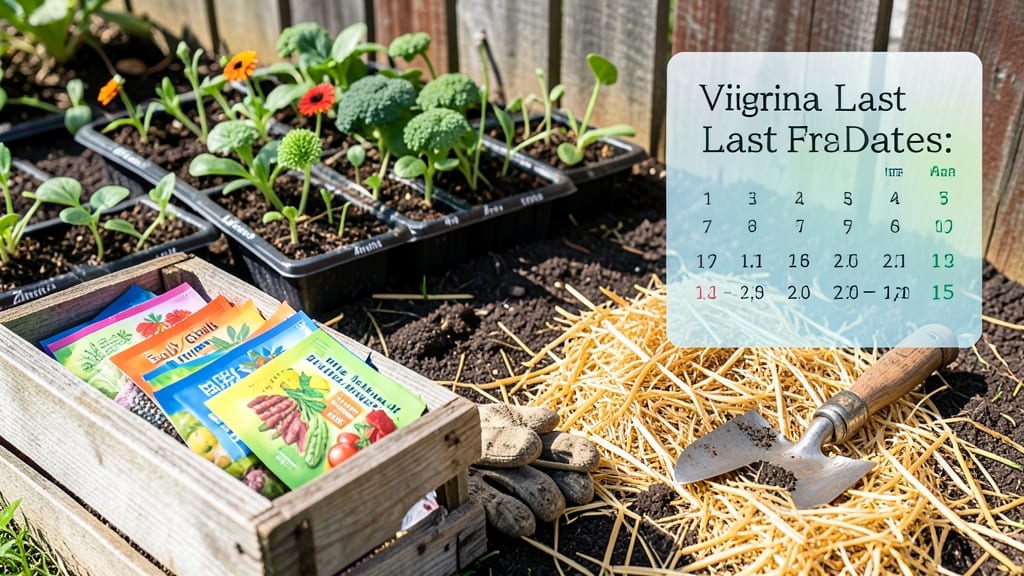
Timing your garden planting in Virginia isn't just about the calendar—it's about mastering the state's diverse microclimates, from the cooler mountain air of Roanoke to the humid coastal breezes near Norfolk.
Get the schedule wrong, and you could end up with bolting lettuce or stunted tomatoes, despite your best efforts.
I've seen firsthand how a just-right planting window transforms a garden from struggling to thriving.
Whether you're sowing cool-season crops like spinach in early spring or waiting for soil to warm up for peppers in late May, the difference between success and failure often comes down to knowing exactly when to put those seeds in the ground.
What you'll discover here are the critical dates for Virginia's planting zones, along with practical tips to adjust for your specific location.
We'll cover everything from frost dates that vary by 10 days or more across the state to soil temperature tricks that help warm-season plants take off when the air is still chilly.
Ready to stop guessing and start growing with confidence? Let's dive into the planting schedule that will finally give your Virginia garden the harvest it deserves.
Virginia’s planting zones & key dates for cool-season crops
Virginia’s cool-season crops like spinach, kale, and broccoli thrive when planted 4-6 weeks before your last frost date. But since Virginia spans USDA zones 5b-8a, timing varies wildly—from February in Norfolk (zone 8a) to April in Roanoke (zone 7b).
Miss these windows, and you’ll risk frost damage or stunted growth.
Your last frost date is the golden number. In Richmond (zone 7a), it’s typically March 15-April 1, while Blacksburg (zone 6b) waits until April 15-May 1. Use these dates as your planting countdown—but don’t panic if Mother Nature throws curveballs.
For hardy cool-season veggies, aim to plant:
- Spinach & Kale: February-March (coastal) or March-April (mountains)
- Broccoli & Cabbage: March-April (all regions)
- Peas & Lettuce: February-May (staggered plantings work best)
Pro tip: Soil temperature matters just as much as air temperature. Cool-season crops prefer 45-75°F soil. Test it with a soil thermometer—if it’s below 45°F, wait a week or two. Cold soil slows germination, leaving your seeds wasting away in the dirt.
Here’s the frost-risk breakdown by region to help you plan:
| Region | USDA Zone | Last Frost Date | Ideal Planting Window | Key Crops |
|---|---|---|---|---|
| Norfolk | 8a | February 28 - March 15 | February-March | Spinach, Kale, Lettuce |
| Richmond | 7a | March 15 - April 1 | March-April | Broccoli, Cabbage, Peas |
| Roanoke | 7b | April 1 - April 15 | March-April | Spinach, Radishes, Carrots |
| Blacksburg | 6b | April 15 - May 1 | April-May | Peas, Lettuce, Kale |
Don’t let these dates stress you out—succession planting is your secret weapon. For example, sow lettuce every 2 weeks from February to September, and you’ll enjoy fresh greens all season long.
Even if frost hits, hardy greens like kale and spinach often bounce back with light frost protection (like a row cover).
One more pro move: Direct-sow seeds instead of starting indoors. Cool-season crops like peas and radishes germinate faster and stronger when planted outside. Save your indoor space for warm-season starts like tomatoes and peppers, which need a longer head start.
If you’re in a microclimate (like a sheltered valley or urban heat island), adjust your timing by 1-2 weeks. For instance, a south-facing slope warms up faster, while a low-lying area holds cold longer. Observe your garden’s behavior for a few years to fine-tune your schedule.
Finally, amend your soil 2-3 weeks before planting. Cool-season crops thrive in well-draining, slightly acidic soil (pH 6.0-7.0). Mix in compost or aged manure to boost nutrients, and consider a balanced fertilizer (10-10-10) at planting time. Healthy soil = hardier plants that recover faster from frost surprises.
Now that you’ve got your cool-season timing locked in, stay tuned for the next section on warm-season planting—where soil temperature becomes the real game-changer.
Warm-season planting timeline: avoid these 3 deadly mistakes
Virginia’s warm-season crops—like tomatoes, peppers, and cucumbers—thrive when planted after the last frost, but timing is everything. Plant too early when soil is still cold, and your seedlings will rot. Plant too late, and you’ll miss the harvest window before fall frost.
The key? Soil temperature matters more than air temperature—aim for 60°F+ at least 6 inches deep.
In USDA Zone 7a (central Virginia), this usually means waiting until April 15–May 1 for most warm-season crops. But in Zone 6b (mountains), hold off until May 15 to avoid late frosts. Check local frost dates—your county extension office has the most accurate data for your microclimate.
Here’s the biggest mistake I see: gardeners rushing to plant tomatoes in early April because the air feels warm. Soil temperature is the real indicator. Use a soil thermometer—if it’s below 60°F, wait. Root growth stalls in cold soil, and seedlings become vulnerable to disease.
⚠️ Callout Warning: 3 Deadly Mistakes
- Mistake 1: Planting warm-season crops before soil hits 60°F—roots rot in cold soil.
- Mistake 2: Ignoring heatwave warnings—some crops (like basil) bolt in 90°F+ temps.
- Mistake 3: Skipping row covers for early starts—extends season by 2–3 weeks.
Pro tip: Test soil temp at 6 AM (coolest time) for accuracy.
For tomatoes and peppers, start seeds indoors 6–8 weeks before your last frost date. Transplant seedlings outdoors only after nighttime temps stay above 55°F. Cucumbers and squash are more forgiving—direct-sow after soil warms, but avoid planting when daily highs exceed 90°F.
If you’re in Zone 8a (southeastern VA), you can push the envelope: plant heat-tolerant varieties like ‘Celebrity’ tomatoes or ‘Jalapeño’ peppers as early as March 15 with row covers. But in Zone 6b, wait until May 1—late frosts are common in the mountains.
Remember: Succession planting is your secret weapon. For bush beans and zucchini, make 2–3 plantings 2 weeks apart to stagger harvests. And if a heatwave hits? Provide shade cloth—it buys you time to harvest before bolting.