
Planting
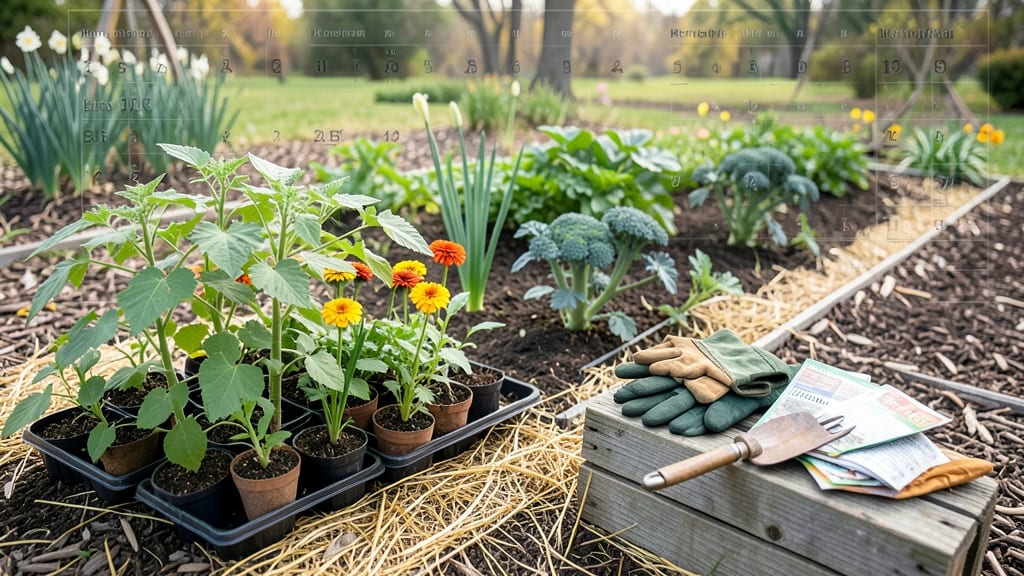
When to plant a garden in Kentucky can make all the difference between a thriving harvest and a frost-killed disappointment. The perfect planting window here depends on your specific zone—whether you're in the Bluegrass region or the western hills—and understanding those frost-free deadlines is the key to success.
I’ve spent years watching Kentucky gardens transform from bare soil to thriving plots, and the most successful gardeners I know swear by one rule: plant when soil temperatures hit 60°F for warm-season crops like tomatoes and peppers. That’s not just a guess—it’s science backed by Kentucky’s unique climate patterns.
But here’s the catch: Kentucky’s frost dates vary wildly from one county to another, and getting it wrong can cost you your entire season.
Whether you’re sowing cool-season greens in early spring or waiting for summer’s heat to plant your tomatoes, I’ll show you exactly when to put those seeds in the ground for maximum growth.
Let’s cut through the guesswork and get your garden on the fast track to a bountiful harvest—without the frost-related heartbreak. You’ll learn the exact dates, regional tweaks, and pro tips that make all the difference in Kentucky’s unpredictable growing season.
Kentucky planting calendar by hardiness Zone: exact dates for frost-free success
Kentucky spans USDA Zones 6a-7a, meaning frost dates vary dramatically between northern and southern regions. The Bluegrass Region (Lexington, Louisville) typically sees its last frost around April 15, while western Kentucky (Paducah) can be 2-3 weeks earlier.
Understanding these zones helps you avoid frost damage to tender crops like tomatoes and peppers.
For cool-season crops (spinach, peas, lettuce), start seeds indoors 8-10 weeks before the last frost—usually mid-February to early March. Warm-season crops (tomatoes, basil) need soil temperatures above 60°F, which typically occurs after May 1 in most zones.
Always check local frost advisories from the Kentucky Climate Center for real-time updates.
| Zone | Avg Last Frost | Avg First Frost | Cool-Season Start | Warm-Season Start |
|---|---|---|---|---|
| 6a (Northern KY) | April 25 | October 20 | Mid-March | May 15 |
| 6b (Central KY) | April 15 | October 10 | Late February | May 1 |
| 7a (Southern KY) | March 30 | November 1 | Early February | April 15 |
Microclimates matter! Urban areas like Louisville often experience earlier last frosts due to concrete heat absorption, while rural farms in Western Kentucky may see 5-7 extra frost-free days. Use a minimum thermometer to track nighttime temperatures—32°F can damage tender seedlings overnight.
For fall planting, aim to sow frost-tolerant crops (kale, radishes) 6-8 weeks before the first frost. In Zone 6a, this means late July to early August, while Zone 7a gardeners can extend until mid-September.
Always prioritize soil warmth over calendar dates—use a soil thermometer to confirm 55°F+ for warm-season crops.
Adjust your schedule based on crop sensitivity. Peas and spinach tolerate light frosts (28°F), while tomatoes and peppers need consistent warmth. In Kentucky, late-May plantings of warm crops often succeed with row covers for added protection.
Track your local heat zone (AHS) to fine-tune watering and mulching strategies.
Use succession planting to maximize yields. For example, sow lettuce every 2 weeks from March to August to avoid bolting. In Kentucky’s climate, this means 6-8 plantings per season for continuous harvests. Always rotate crops to prevent soil-borne diseases, which thrive in Kentucky’s humid summers.
For container gardening, plant 2-3 weeks later than in-ground gardens—pots cool faster and are more vulnerable to temperature swings. Use black plastic mulch to warm soil 5-10°F faster in spring, which can shave 1-2 weeks off your planting timeline.
Monitor leaf curl or yellowing as signs of transplant shock in delayed plantings.
Don’t rely solely on averages! Kentucky’s 2023 late-March frost caught many gardeners off guard. Use frost clocks (available at local nurseries) to track real-time data. For high-value crops like tomatoes, consider greenhouse starting in early March to get a 2-week head start on the season.
Pro tip: Test your soil in early spring—Kentucky’s clay-heavy soils often need compost or sand for optimal drainage. Aim for a pH of 6.0-7.0 for most vegetables. Adjust planting dates if your soil tests show poor fertility, as nutrient-deficient plants struggle in Kentucky’s humid climate.
🌱
How to adjust planting times for Kentucky’s unpredictable weather patterns
Kentucky’s weather can shift faster than a summer storm, making planting timing a high-stakes game. Frost-sensitive crops like tomatoes or peppers need precise timing, while cool-season veggies thrive with early starts.
The key? Flexible strategies to protect your plants from late frosts or early heatwaves. I’ve tested these methods in my own garden—here’s what works best.
Row covers are my secret weapon for extending spring planting. Lightweight fabric shields seedlings from 28°F frosts while letting sunlight through. For hardier crops like spinach or kale, I plant them 4-6 weeks before the average last frost date (usually mid-April in most of Kentucky). But if a late frost hits? No panic—just cover them overnight with old blankets or burlap.
Timing isn’t just about dates—it’s about risk assessment. My neighbor once lost her entire basil crop because she planted it in early May, only for a 30°F night to hit two weeks later.
Now, she waits until May 15th minimum, even if that means buying starts. For eggplants, I hold off until June 1st—they’re finicky and need 80°F+ soil to thrive.
Fall planting is another game-changer. Cool-season crops like broccoli and carrots can handle light frosts, so I sow them in late August for a harvest before winter. Just avoid planting after September 15th, or your greens might bolt too quickly.
And if you’re in Western Kentucky, you’ve got a 2-week advantage—your last frost is often 2 weeks later than Louisville.
My biggest lesson? Kentucky’s weather is a wildcard, so I’ve learned to plant in stages. Start with hardy greens in March, add warm-season crops after Memorial Day, and squeeze in fall plants by Labor Day.
That way, whether we get an early frost or a heatwave, my garden always has something thriving. And if all else fails? Row covers and a prayer work wonders.
🌱