
Planting
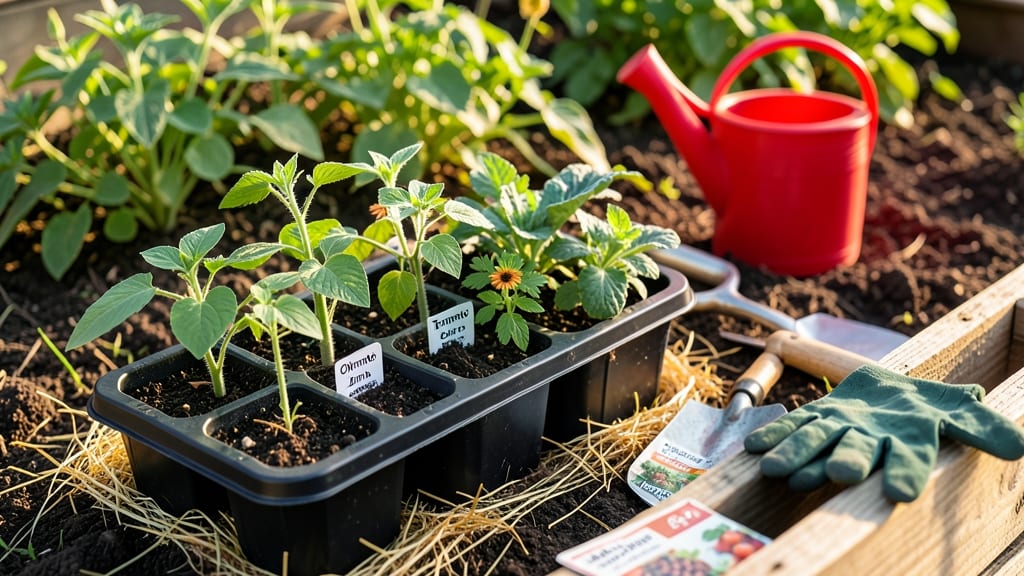
Timing your garden right in Arkansas isn't just about luck—it's about knowing when to plant a garden in Arkansas to beat frost, outsmart heat waves, and lock in those perfect harvests.
The state's 6a to 8a zones mean your neighbors might be digging in February while you're still waiting for safe soil temps, and getting that wrong can mean wilted seedlings or missed crops.
I've worked with Arkansas gardeners for years, and the key to success is understanding your specific frost dates—whether you're in the cooler hills or the warmer Delta. Plant too early, and a late frost can turn your tender seedlings into sad, brown memories.
Too late, and you might miss the sweet spot for peak flavor and yield in your favorite tomatoes or squash.
What if you could plan your entire growing season like a pro? In this guide, I'll break down the exact planting windows for everything from cool-season greens to heat-loving peppers, plus smart tricks to stretch Arkansas's short growing season.
Whether you're a first-time gardener or a veteran with a few failed attempts under your belt, these timelines will help you grow more confidently—and more successfully.
Ready to turn your Arkansas garden from "hopeful experiment" to "bountiful reality"? Let's get started with the frost dates, heat zones, and crop-specific schedules that actually work for your corner of the state.
Arkansas frost dates & heat zones: the critical planting timeline
Arkansas spans USDA Hardiness Zones 6b to 8a, meaning frost dates vary dramatically from north to south. In Zone 6b (northern Arkansas), average last spring frost falls around March 15, while Zone 8a (southern Arkansas) sees frost as early as February 15.
These differences dictate when to plant everything from cool-season greens to heat-loving tomatoes.
First frost dates also shift: November 15 in northern regions but can linger until December 15 in southern Arkansas. Understanding these windows helps you avoid frost damage while maximizing your growing season. The Arkansas Cooperative Extension Service recommends tracking local frost data for 3+ years to refine your schedule.
Heat zones matter just as much. Arkansas' 150 to 240 frost-free days create opportunities for both spring and fall planting. For example, southern Arkansas can grow sweet potatoes year-round, while northern gardeners must time plantings to avoid early freezes.
| Zone | Last Spring Frost | First Fall Frost | Frost-Free Days | Key Planting Windows |
|---|---|---|---|---|
| 6b (North) | March 15 | November 15 | 150-180 | Spring: April 15 Fall: August 1 |
| 7a (Central) | March 1 | November 1 | 180-210 | Spring: March 20 Fall: July 15 |
| 8a (South) | February 15 | December 15 | 210-240 | Spring: February 28 Fall: September 1 |
*Based on 30-year averages from Arkansas Cooperative Extension Service
Use these zones to guide your planting. For example, Zone 6b gardeners should wait until April 15 to plant tomatoes, while Zone 8a can start as early as March 1.
Always verify with local weather stations, as microclimates (like urban heat islands) can shift frost dates by 1-2 weeks.
Heat zones also influence soil temperature, critical for seed germination. Most warm-season crops need soil at 60°F+ before planting. In northern Arkansas, this often means waiting until late April, while southern regions can start in mid-March.
Pro tip: Plant cool-season crops like kale and spinach 4-6 weeks before your last frost date. For warm-season plants, wait 2-3 weeks after frost risk has passed. This timing ensures strong starts and avoids transplant shock from sudden temperature swings.
Arkansas' humidity and summer heat also play a role. Southern zones (7a-8a) experience 90°F+ temperatures by June, which can stress leafy greens. Plan to succession plant these crops in fall for a second harvest before frost.
For accuracy, bookmark the Arkansas Climate Office frost maps or use apps like Old Farmer's Almanac for real-time updates. Local garden clubs often host frost date tracking parties—join one to refine your schedule!
Remember: Arkansas' unpredictable weather patterns mean flexibility is key. Always have row covers ready to protect young plants from late frosts, even in Zone 8a. The more data you collect, the better you'll adapt to your specific corner of the state.
Best planting months for Arkansas vegetables, flowers & herbs
Arkansas’ diverse USDA zones (6a–8a) mean your planting schedule should vary slightly depending on whether you’re in the cooler northern hills or the warmer southern Delta.
Generally, cool-season crops like lettuce and spinach thrive when planted 4–6 weeks before your last frost date, while warm-season favorites such as tomatoes and peppers need soil temperatures above 60°F to germinate successfully.
For most of Arkansas, March and April are prime months for spring planting, but southern zones can start as early as February. Fall planting typically runs from August through September, allowing for a second harvest before winter sets in.
Always check your local Arkansas Cooperative Extension Service for microclimate adjustments—a few degrees can make a big difference in timing!
🌱 Numbered Highlights for Arkansas Planting Success
Plant February–March (northern AR) or January–February (southern AR). Harvest before late May to avoid bolting.
Wait until after last frost (typically April–May) and soil temps reach 60°F+. Use row covers for early starts.
Plant early spring (March) or fall (September) for established roots. Asparagus crowns need 2 years to mature!
Direct-sow after last frost (April–May). Marigolds deter pests—plant near tomatoes and peppers!
Sow August–September for harvests before first frost (Nov–Dec). Use black plastic mulch to warm soil.
Don’t forget to adjust for elevation—higher areas (like the Ozark Mountains) may have 2–3 weeks later frost dates than the Arkansas River Valley. For herbs like basil, wait until after Memorial Day to avoid frost damage, as they’re sensitive to cold.
Pro tip: Use biodegradable seed starters in late February for warm-season crops to get a head start indoors. By the time outdoor conditions are safe, your seedlings will be 3–4 inches tall and ready to thrive!
🌿