
Plants
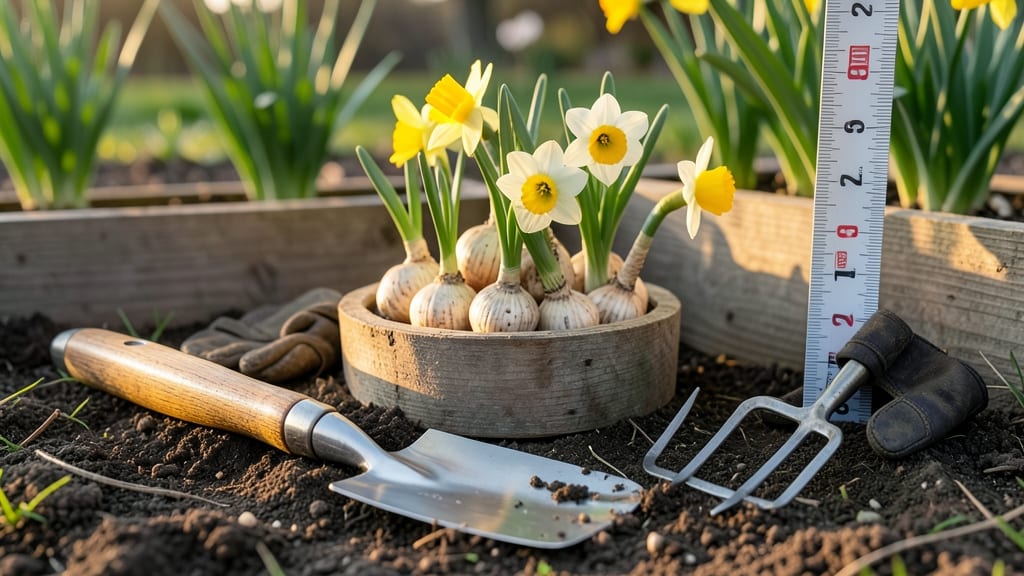
Timing your daffodil planting in North Carolina just right means the difference between a spring garden bursting with color and bulbs that never make it past winter.
With NC’s varied climate—from the cooler mountain zones to the milder coastal areas—getting the schedule wrong can leave your 🌼 blooms struggling or worse, lost to frost.
Most gardeners in zones 6a-8b know fall is the window, but the exact months depend on where you live. Plant too early, and your bulbs might sprout before the ground freezes; too late, and they won’t establish roots in time.
I’ve tested the best planting times across NC’s regions, so you can avoid common mistakes and enjoy vibrant blooms by March.
Here’s what you need to know: the ideal window runs from mid-October to early November, but adjustments are key for Piedmont vs. Coastal areas.
We’ll break down the exact timing, soil prep tricks, and even how to protect your bulbs from late frosts—so you can plant with confidence and skip the guesswork.
Ready to transform your yard into a springtime showstopper? Let’s dive into the foolproof schedule that works for NC’s unique growing conditions, so your daffodils thrive year after year.
North Carolina daffodil planting calendar by hardiness zone
North Carolina spans USDA zones 6a through 8b, meaning frost dates vary dramatically from the mountains to the coast. Planting daffodils too early in zone 6a risks frost damage, while zone 8b gardeners have a longer window.
The key is planting 6-8 weeks before your first frost—this gives roots time to establish before winter.
For mountain regions (zones 6a-7a), aim for mid-October to early November. In the Piedmont (zones 7b-8a), late October to mid-November works best. Coastal areas (zones 8a-8b) can plant as late as December, but avoid January to prevent winter rot.
Always check your local frost dates—they’re your planting deadline!
| Zone | First Frost | Planting Window | Soil Temp | Key Tip |
|---|---|---|---|---|
| 6a (Mountains) | Nov 1 | Mid-Oct to Nov 1 | 50-60°F | Use mulch after planting |
| 7a (Mountains) | Nov 15 | Late Oct to Nov 10 | 55-65°F | Plant early for longer blooms |
| 7b (Piedmont) | Nov 20 | Late Oct to Nov 15 | 60-68°F | Avoid clay soil—amend with compost |
| 8a (Piedmont) | Dec 1 | Late Oct to Dec 1 | 65-70°F | Plant near trees for shade |
| 8b (Coastal) | Dec 15 | Nov to Dec 15 | 70-75°F | Water deeply before winter |
Soil temperature is just as critical as frost dates. Daffodil bulbs need soil temps between 50-70°F to root successfully. Use a soil thermometer to confirm—if temps drop below 50°F, wait a week. Zone 6a gardeners should prioritize early planting, while coastal gardeners can push to December.
For container planting, adjust your timeline by 2-3 weeks earlier—pots cool faster and freeze more quickly. Use black plastic containers to absorb heat and extend the planting window. If you’re unsure about your zone, check the NC State Extension Service for your county’s exact frost dates.
Pro tip: Plant daffodil bulbs deeper in colder zones—6-8 inches deep in zone 6a vs. 4-6 inches in zone 8b. Deeper planting protects them from freeze-thaw cycles, which can crack bulbs. Pair this with a 3-inch layer of mulch (straw or shredded leaves) to insulate the soil.
If you miss the fall window, spring planting is possible but risky. Daffodils planted in January or February may bloom the same year, but they’re more vulnerable to drought and pests. Reserve this method for replacement bulbs or late-season varieties like ‘Ice Follies’ or ‘Tête-à-Tête.’
After planting, water deeply once to settle the soil, then reduce watering until spring. Overwatering in winter can cause rot.
In zone 6a, add a light frost blanket over newly planted beds if temperatures dip below 20°F. This extra step ensures your first-year blooms won’t be a bust!
Finally, mark your planting spots—daffodils take time to naturalize, and you’ll want to avoid disturbing them. Use biodegradable flags or a simple garden twig map. This way, you’ll know exactly where to fertilize and mulch come spring without guessing.
With this zone-specific guide, your daffodils will thrive through NC’s winters and reward you with bold spring color year after year. Happy planting! 🌼
North Carolina daffodil planting calendar by hardiness zone
North Carolina spans USDA zones 6a-8b, meaning your ideal daffodil planting window shifts slightly depending on where you live. In the mountains (zone 6a), aim for mid-October to early November—this gives bulbs 6-8 weeks to root before the first frost, typically around November 1.
Meanwhile, in the Piedmont (zone 7a) or coastal areas (zone 8a), you’ve got more flexibility, with late October to mid-November being ideal.
The key is planting when soil temps drop to 50-60°F—this signals bulbs to start rooting without sprouting too early. Use a soil thermometer if unsure; most NC gardeners find late October strikes the perfect balance.
For zones 7b-8b, you can even push planting to early December if your ground hasn’t frozen yet, though frost risk increases.
Here’s the breakdown by zone to avoid frost damage and ensure vibrant spring blooms:
If you’re in zone 6a, don’t wait past November 10—bulbs need time to establish roots before the ground freezes solid. For zones 7b-8b, you can stretch planting to early December, but monitor weather forecasts.
A late frost in January can still damage new shoots, so keep an eye on the National Weather Service for your area.
Pro tip: Test your soil before planting—daffodils thrive in well-draining soil with a pH of 6.5-7.0. Amend heavy clay soil with compost or sand to prevent bulb rot. I’ve found that adding a 2-inch layer of gritty compost at planting time makes a huge difference in NC’s often-heavy soils.
Once planted, water deeply to settle the soil around bulbs, then let nature take over. The roots will grow downward while shoots stay dormant until spring. By following this zone-specific schedule, you’ll skip the guesswork and enjoy bold, reliable blooms from March through May—no matter where in NC you garden.