
Plants
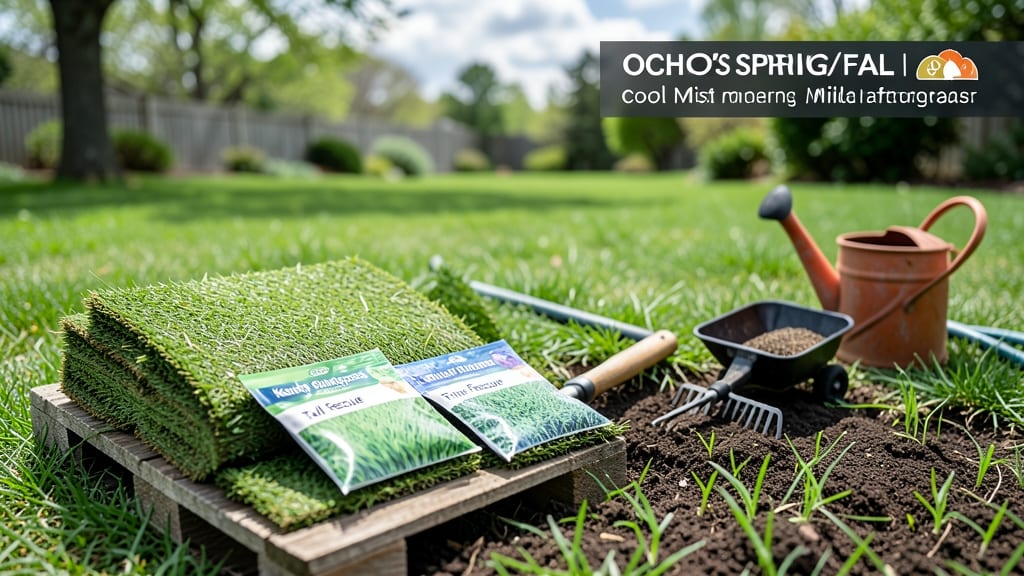
Timing your grass planting in Ohio right is the difference between a vibrant lawn and a frustrating, patchy mess—especially when summer droughts hit hard. Ohio’s USDA Zone 6a climate means you can’t just follow a generic calendar; the key lies in cool-season windows that avoid both frost and scorching heat.
Most gardeners swear by early spring or fall planting, but March-April and September-October are your golden slots for cool-season grasses like Kentucky bluegrass or tall fescue.
Planting too early risks frost damage, while waiting too late means battling summer’s thirsty soil. Let’s break down the exact window to lock in success.
You’ll discover how to prep your soil, choose the right grass type for Ohio’s microclimates, and schedule watering to outsmart drought stress. Avoiding these common mistakes could save you hundreds in reseeding costs—and endless frustration.
Ready to transform your lawn from brown patches to green pride? Let’s dive into the science-backed timing that works for Ohio’s unpredictable weather.
Ohio’s ideal grass planting windows: cool-season slots decoded
Ohio’s cool-season grasses like Kentucky bluegrass and tall fescue thrive when planted during two key windows: early spring and early fall. These periods align with soil temperatures between 50°F and 65°F, giving seeds the perfect balance of warmth and moisture to germinate without stress.
Missing these windows often leads to patchy lawns or wasted seed—so let’s break down the science behind timing.
The last spring frost in Ohio typically hits around April 15, but planting too early risks seeds washing away or freezing. Similarly, fall planting should stop 6-8 weeks before the first frost (usually by October 15).
Northern Ohio’s shorter growing season demands earlier planting, while southern regions can stretch windows slightly later—but drought stress remains the biggest enemy in both cases.
🌱Pro Tip: Use a soil thermometer to confirm temperatures. Cool-season grasses need soil that’s consistently above 50°F for at least a week before planting.
| Planting Window | Soil Temp | Key Considerations | Ohio Regions |
|---|---|---|---|
| Early Spring (March-April) | 50°F–65°F | Avoid frost risk; irrigate for drought stress | North: March 15–April 15 South: April 1–April 30 |
| Early Fall (September-October) | 55°F–65°F | 6–8 weeks before frost; roots establish before winter | North: Sept 1–Sept 30 South: Sept 15–Oct 15 |
🌡️ Why It Matters: Soil temps below 50°F delay germination, while above 70°F causes drought stress.
Spring planting in Ohio starts when daytime highs consistently reach the 60s°F, but don’t rush—soil must warm to 55°F+ at 4-inch depth. In northern Ohio (USDA Zone 5), aim for March 15–April 15, while southern Ohio (Zone 6) can wait until April 1–April 30.
The key is avoiding early-season drought, which Ohio’s variable rainfall makes especially tricky. A drip irrigation system or soaker hoses can make the difference between success and failure.
Fall planting offers a second chance for perfect germination, as cooler temps reduce weed competition and consistent rainfall often continues into October. Plant 6–8 weeks before frost—typically September 1–October 15—to let roots establish before winter dormancy.
This window also allows grass to green up faster in spring, giving you a head start on weeds.
💧Critical Insight: Ohio’s summer droughts (June–August) make spring planting risky if rainfall drops below 1 inch per week. Always have a backup watering plan.
For warm-season grasses like Bermuda or Zoysia (less common in Ohio but used in southern counties), planting occurs in late spring to early summer when soil temps exceed 65°F. However, these types struggle in Ohio’s cold winters, so cool-season blends remain the gold standard for most homeowners.
Regional microclimates add another layer. Urban areas like Columbus or Cincinnati may experience heat islands, delaying frost dates by 1–2 weeks. Conversely, rural or elevated areas (e.g., Appalachian foothills) can see frost 2 weeks earlier.
Check your local Cooperative Extension Service for hyper-local advice—Ohio State University’s Ohio Line hotline is a game-changer.
🌿Final Tip: If you miss the spring window, overseed in fall—it’s the next best option for repairing thin lawns.
Ohio’s ideal grass planting windows: cool-season slots decoded
Ohio’s cool-season grasses like Kentucky bluegrass and tall fescue thrive when planted during two key windows: early spring and fall. These periods offer moderate soil temps (50–65°F) and consistent moisture, which are critical for seed germination and root establishment.
Planting outside these windows risks frost damage or summer drought stress, both of which can turn your lawn into a patchy disaster.
The last frost date in Ohio typically falls around April 15, while the first frost arrives by October 15. For spring planting, aim to sow seeds 4–6 weeks before the last frost—usually mid-March to early April.
This gives seedlings time to establish roots before summer heat sets in. Fall planting, on the other hand, should occur 6–8 weeks before the first frost, landing you in September for most of the state.
Ohio’s microclimates add another layer of complexity. Northern Ohio (e.g., Cleveland) tends to have cooler, wetter springs, while southern Ohio (e.g., Cincinnati) experiences hotter, drier conditions earlier in the season.
Adjust your planting timeline by 1–2 weeks later in the south to avoid the scorching June heat, which can dry out seeds before they sprout.
| Planting Window | Soil Temp | Key Considerations | Ohio Regions |
|---|---|---|---|
| Early Spring | 50–65°F | Avoid frost risk; water deeply 2x/week | North: Mid-March; South: Early April |
| Fall | 55–60°F | 6–8 weeks before first frost; roots strengthen before winter | Statewide: September |
One of the biggest mistakes Ohio gardeners make is planting too early in the hope of beating the competition. Seeds sown in February risk frost heave or dormancy, while seeds planted in late May face summer drought.
Instead, focus on soil temperature—use a soil thermometer to confirm it’s above 50°F before sowing. This simple step can save you from wasted seed and frustrating regrowth.
For drought-prone areas (like western Ohio), prioritize tall fescue or fine fescue blends, which have deeper roots and better heat tolerance than Kentucky bluegrass. Pair your seed choice with mulching (straw or peat moss) to retain moisture and reduce evaporation.
Even in Ohio’s humid climate, early summer heatwaves can turn a lush lawn into a crispy brown mess overnight.
Timing isn’t just about the calendar—it’s about reading your soil and adapting to microclimates. By planting in early spring or fall, you’re not just following a rulebook; you’re giving your grass the best shot to outlast Ohio’s extremes.
Next, we’ll cover the pre-planting prep that turns good timing into a flawless lawn. 🌱