
Plants
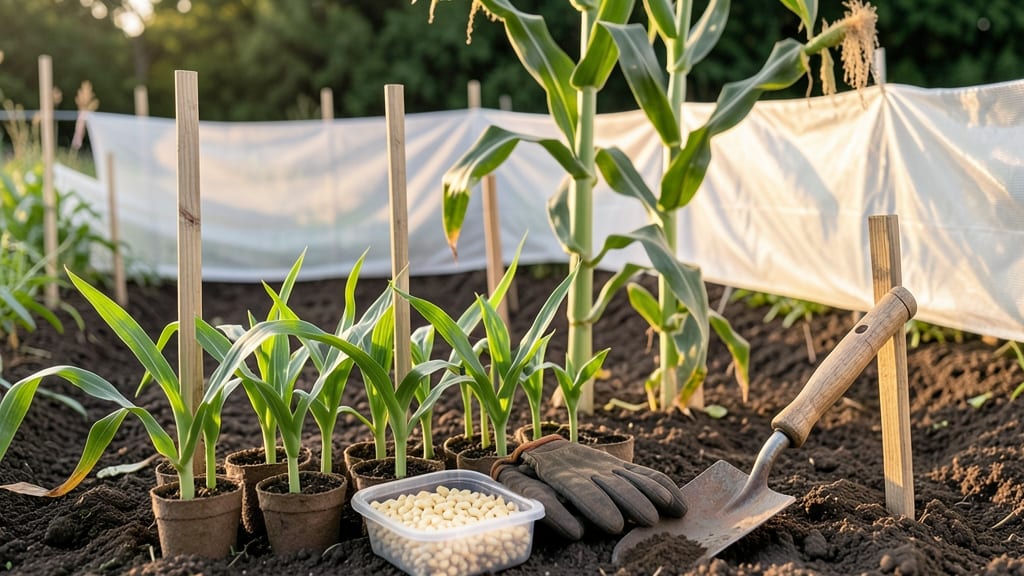
Planting corn in Georgia at the wrong time can mean the difference between a golden harvest and a disappointing flop. With USDA zones 7b-8b and a frost-free window from mid-March to mid-November, Georgia offers one of the best growing seasons for 🌽—but timing is everything.
Most gardeners in Georgia know the general rule: plant after the last frost, but what does that really mean? The ideal window runs from mid-April to late May, when soil temperatures consistently stay above 50°F—the magic number for germination.
Miss this window, and you risk stunted growth or worse, pest damage from summer heat.
In this guide, I’ll break down exactly when to plant for your specific Georgia region, how to adjust for heat and humidity, and which varieties thrive best in your climate. Whether you’re a first-time grower or a seasoned pro, these tips will help you maximize your yield.
Ready to grow corn that’s sweet, plump, and ready to harvest by late July? Let’s get started with the perfect planting schedule for your Georgia garden.
Georgia corn planting calendar: soil temperature & frost-free dates
Planting corn in Georgia requires careful timing to avoid frost damage and ensure optimal germination. The state’s USDA zones 7b-8b offer a long growing season, but soil temperature and frost-free dates vary by region.
In North Georgia, last frost typically arrives around March 15–April 1, while South Georgia sees frost-free conditions by March 1–March 15. Always wait until the soil reaches 50–60°F—corn seeds won’t sprout below 50°F.
For the best results, aim to plant mid-April to late May in most of Georgia. Early plantings in South Georgia can start as early as late March, but high-altitude areas (like the Blue Ridge Mountains) should wait until mid-April to avoid late frost risks.
Corn thrives in warm soil, so use a soil thermometer to confirm readiness before sowing.
Key planting windows by region:
• North Georgia (USDA 7b): Wait until April 15–May 1 after last frost. • Central Georgia (USDA 8a): Plant from April 1–April 30 for ideal growth. • South Georgia (USDA 8b): Start as early as March 15–April 15 for a longer harvest window.
Missing these windows can lead to poor germination or pest pressure. Corn planted too late may mature before the first frost in October–November, reducing yield and sweetness. Use these frost-free days as your guide: Georgia’s 210-day frost-free period allows for multiple plantings if you choose fast-maturing varieties.
🌱
Georgia Corn Planting Summary
| Region | Last Frost Date | Ideal Planting Window | Soil Temp Threshold | First Frost Risk |
|---|---|---|---|---|
| North GA (7b) | March 15–April 1 | April 15–May 1 | 50–60°F | Late Oct–Nov |
| Central GA (8a) | March 1–March 15 | April 1–April 30 | 50–60°F | Mid-Oct–Nov |
| South GA (8b) | Feb 28–March 15 | March 15–April 15 | 50–60°F | Late Oct–Nov |
⚠️ Note: High-altitude areas (e.g., Blue Ridge) may need to delay planting until mid-April due to cooler soils.
If you’re unsure about your local frost dates, check the National Weather Service or your county extension office for updates. Georgia’s microclimates can vary dramatically—even within a single county—so always monitor soil temperature before planting.
For extra safety, use row covers if planting early in North Georgia to protect young seedlings from unexpected late frosts.
Corn planted too early in cool soil (below 50°F) risks rotten seeds or stunted growth. Conversely, planting too late may result in smaller ears or poor pollination due to Georgia’s intense summer heat.
Balance these factors by choosing fast-maturing varieties (like ‘Ambrosia’) for late plantings or long-season types (like ‘Silver Queen’) for early starts.
Pro tip: Plant in blocks (not rows) to improve cross-pollination and yield. Space seeds 1 inch deep and 4–6 inches apart, with blocks 2–3 feet apart. This method also makes it easier to thin seedlings later.
Once planted, maintain consistent moisture—corn needs 1–2 inches of water weekly—especially during tasseling and silking stages.
For a second harvest, consider a late-June planting of fast-maturing varieties. This works best in South Georgia, where the growing season extends into October. Just be prepared for higher pest pressure (like corn earworms) in summer plantings and use organic pest controls if needed.
🌽
How to adjust corn planting for Georgia’s heat & humidity risks
Georgia’s summer heat and high humidity can turn your corn garden into a battleground against drought stress, fungal diseases, and heat damage. But with the right adjustments, you can protect your plants and still enjoy a sweet harvest.
The key is balancing timing, watering, and variety selection to match Georgia’s climate quirks.
First, let’s tackle the biggest enemy: heat stress. Corn seeds need soil temperatures between 50-60°F to germinate, but Georgia’s soil can heat up quickly in May. If you plant too early, your seeds may rot before sprouting.
Wait until the soil temperature consistently stays above 60°F—usually mid-to-late April in most of the state.
For those in North Georgia (USDA zones 7a-7b), like the Blue Ridge Mountains, aim for late April to early May to avoid late frosts. In South Georgia (zones 8a-8b), you can push planting to mid-May, but be ready for intense afternoon sun.
Use a soil thermometer to check temperatures before planting—it’s the only way to be sure.
🌽 Adjusting Corn Planting for Georgia’s Climate
- Plant fast-germinating varieties (e.g., ‘Silver Queen’) in early May
- Use shade cloth (30-50%) for seedlings in peak summer heat
- Water deeply in the morning to prevent fungal growth
- Choose drought-tolerant varieties like ‘Ambrosia’ for South GA
- Mulch with straw or grass clippings to retain moisture
- Plant slow-germinating varieties (e.g., ‘Peaches and Cream’) before soil hits 60°F
- Overhead water in the evening (promotes fungal diseases like corn smut)
- Skip proper spacing (corn needs 12-18" between plants for airflow)
- Ignore humidity warnings—Georgia’s 70%+ humidity accelerates disease
- Use synthetic mulches that trap too much heat (stick to organic)
Another critical adjustment is seed depth. In hot, dry conditions, plant seeds 1.5 inches deep (instead of the usual 1 inch) to keep them cooler and moister. This is especially important for South Georgia growers, where soil can dry out faster.
Pair this with a light mulch layer (1-2 inches) to lock in moisture without smothering seedlings.
For late-summer plantings (June-July), opt for short-season varieties like ‘Early Sunglow’ (60-day maturity) to harvest before the first frost. These varieties are bred to handle high temperatures and still produce sweet ears. Just be prepared for smaller yields—heat stress can reduce ear size, so plant extra seeds to compensate.
Finally, watch for corn earworm and corn smut, two common pests in Georgia’s humidity. To deter them, use row covers on young plants and remove any infected ears immediately. Rotate planting locations yearly to break pest cycles, and consider Bt corn varieties for organic gardens.
With these adjustments, you’ll give your corn the best shot at thriving in Georgia’s challenging climate. The key is flexibility—adapt your timing, varieties, and care based on your specific microclimate. 🌱