
Plants
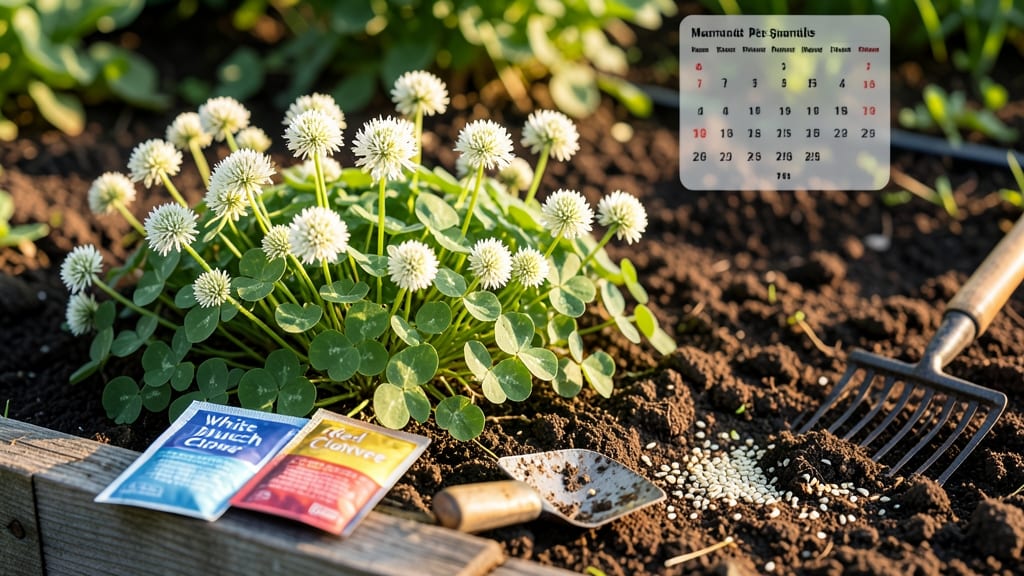
Timing your clover planting in Maryland could mean the difference between a vibrant, low-maintenance lawn and months of frustration waiting for it to take hold.
Maryland’s USDA zones 7a-7b offer two prime windows—early spring and early fall—but getting the dates wrong can leave your 🌱 clover vulnerable to late frosts or stunted growth.
I’ve seen firsthand how a single week’s delay can turn a promising clover patch into a frost-killed disappointment. Whether you’re seeding for erosion control, pollinator support, or a natural lawn alternative, nailing the planting schedule is the most important step.
Let’s break down exactly when to plant for your specific Maryland region and how to protect your seedlings from unpredictable frost.
Most gardeners assume spring is the only option, but fall planting often yields stronger roots before winter. We’ll cover the ideal March-April and September-October deadlines, plus how to adjust for Maryland’s coastal vs. inland microclimates. Ready to plant with confidence? Here’s what you need to know.
The key isn’t just picking a month—it’s understanding your local frost patterns and soil conditions. With the right timing, your clover will establish quickly, outcompete weeds, and give you that lush, self-sustaining ground cover you’re after. Let’s get started.
Maryland’s ideal clover planting windows: spring vs fall deadlines by region
Maryland’s three distinct climate zones—Eastern Shore, Piedmont, and Western Maryland—each have unique frost patterns that dictate the best time to plant clover seeds. Getting the timing right means the difference between a lush green cover and wasted effort.
Let’s break down the ideal planting windows for each region, including last frost dates and safe planting deadlines.
For spring planting, aim to sow clover seeds 4-6 weeks before your area’s last frost date. This gives seedlings time to establish roots before warm weather arrives. In fall planting, seed 6-8 weeks before the first frost to allow roots to develop before winter dormancy.
Maryland’s USDA zones 7a-7b provide a baseline, but microclimates can shift these windows by weeks.
Eastern Shore (e.g., Salisbury, Easton) has milder winters and later frosts. Here, spring planting starts in late March and continues through mid-April. Fall planting should wrap up by mid-October to avoid winter damage. The coastal influence means slightly longer growing seasons.
Piedmont (e.g., Baltimore, Frederick) experiences more variable frost dates. Spring planting spans early April to early May, while fall planting must finish by early October. This region’s urban heat islands can create microclimates—check local frost records for precision.
Western Maryland (e.g., Hagerstown, Cumberland) has cooler temperatures and earlier frosts. Start spring planting in mid-April and finish by mid-May. Fall planting ends by late September to ensure seedlings survive winter. Higher elevations here can push frost dates even earlier.
| Region | Spring Planting Window | Fall Planting Window | Last Frost Date | First Frost Date |
|---|---|---|---|---|
| Eastern Shore | Late March – Mid-April | Early September – Mid-October | Mid-April | Mid-November |
| Piedmont | Early April – Early May | Late August – Early October | Early April | Late October |
| Western Maryland | Mid-April – Mid-May | Late August – Late September | Mid-April | Early November |
Use these windows as a starting point, but always verify with your local Cooperative Extension Service for real-time frost data. For example, a late-March frost in Western Maryland could delay spring planting by weeks. Conversely, a warm October in the Eastern Shore might extend fall planting.
If you’re unsure about your exact frost dates, opt for fall planting. Clover establishes roots more reliably in cooler weather, and seedlings have time to harden off before winter.
Just avoid planting too close to frost—seedlings need at least 6 weeks of growth before temperatures drop below 20°F.
For fastest germination, aim for soil temperatures between 60°F and 75°F. In Maryland, this typically aligns with April and September, but a soil thermometer ($15 at garden centers) removes guesswork. Plant when soil hits 55°F or warmer for reliable sprouting.
Pro tip: Mix clover seeds with sand or compost for even distribution. This prevents clumping and ensures uniform coverage across your lawn or garden bed. Thin seedlings to 1 inch apart once they reach 2 inches tall for optimal growth.
Remember, clover thrives in partial shade and well-draining soil. If your Maryland yard has heavy clay soil, amend with compost to improve drainage. This is especially critical in Western Maryland’s wetter microclimates.
How to adjust planting dates for Maryland’s microclimates and frost risks
Maryland’s three distinct climate zones—Eastern Shore, Piedmont, and Western Maryland—each have unique frost patterns that can shift your clover planting window by weeks. For example, the Eastern Shore often sees its last frost in early April, while inland areas like Frederick County can linger until mid-April.
These variations mean your neighbor’s perfect timing might leave your clover vulnerable.
I’ve learned the hard way that soil temperature, not just air temperature, determines success. Clover seeds need soil at at least 50°F (10°C) to germinate. Use a soil thermometer to confirm readiness—planting too early when soil is still cold delays germination and invites rot.
This simple tool can save you from wasting seed and waiting months for results.
For spring planting, aim to finish by April 15 in most of Maryland, but push to April 30 in the Western Mountains where frosts arrive later. If you’re in Zone 7a (like Baltimore), err on the earlier side—those late March frosts can still sneak in.
Use row covers or straw mulch to protect seedlings if frost is forecasted after planting.
⚠️ Frost-Proofing Mistakes to Avoid
Don’t make these common errors that kill clover seedlings:
- Planting too close to frost dates – Give seedlings 4-6 weeks to establish before first frost.
- Skipping soil warming – Cold soil = slow germination. Use black plastic mulch 1-2 weeks before planting.
- Overwatering before frost – Wet soil freezes harder. Water deeply but infrequently in spring.
- Ignoring microclimates – South-facing slopes warm faster than north-facing areas.
Fall planting offers a 6-week window from September 15 to October 31, but timing is critical. Seedlings need 4-6 weeks to establish roots before winter dormancy.
In Zone 7b (like Annapolis), aim for September 20 planting to avoid early frosts. For Western Maryland’s cooler nights, delay until October 1.
Extend your fall window with low tunnels or frost blankets—these can push your planting deadline by 2-3 weeks. I’ve used them to successfully plant white Dutch clover in early November, giving it time to root before winter. Just remove covers during the day to prevent overheating.
Always check the National Weather Service’s frost prediction maps for Maryland 1-2 weeks before planting. Local garden clubs often share real-time updates—join one for crowd-sourced frost alerts.
With these adjustments, you’ll turn Maryland’s frost quirks into advantages, not obstacles. Your clover will thank you with thicker growth and fewer weeds next spring.