
Plants
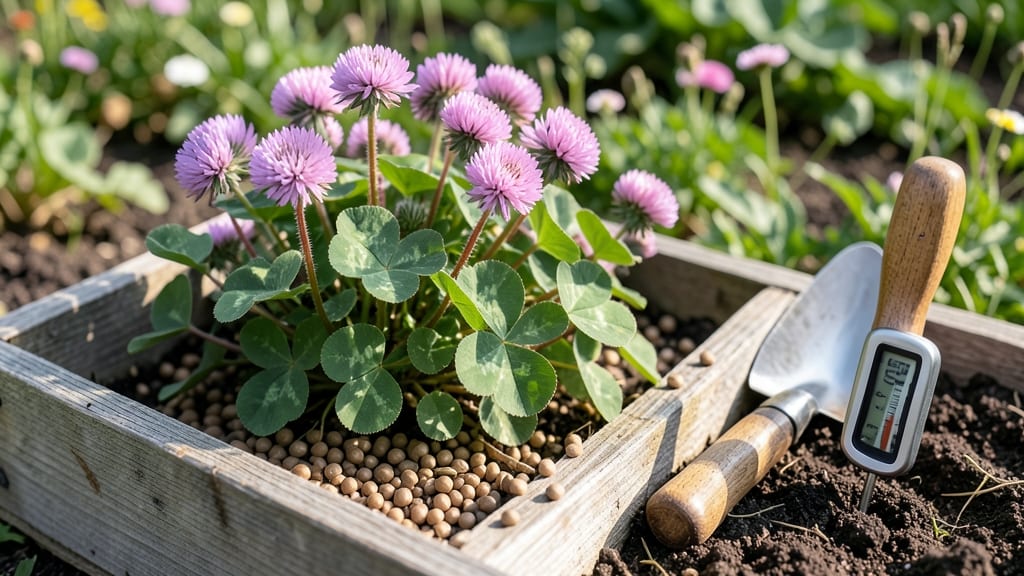
Timing your clover planting in Iowa can make or break your garden’s success—especially in USDA Zones 5a-5b, where frost dates swing wildly between March and October. Plant too early, and you risk frost damage; too late, and clover struggles to establish before winter.
The secret lies in two ideal windows: early spring (March–April) or early fall (August–September), when soil temperatures hit 50°F+ and moisture levels are just right.
I’ve seen firsthand how a few weeks’ difference can turn a patchy clover cover into a lush, nitrogen-rich ground cover that thrives for years. Whether you’re sowing white Dutch clover for lawns or red clover for pollinators, the key is reading Iowa’s microclimates—like warmer southern zones vs. cooler northern pockets.
Let’s break down the exact frost-free windows and soil prep tricks to ensure your clover takes root like a pro.
But here’s the catch: most gardeners miss the mark because they focus only on calendar dates, not soil temperature or rainfall patterns. I’ll show you how to adjust for Iowa’s variable spring frosts and dry fall spells, so you’re planting at the perfect moment—no guesswork.
Ready to turn your soil into a clover powerhouse? Let’s get started.
By the end, you’ll know exactly when to plant—plus how to pair clover with companion plants like grasses or legumes for a self-sustaining ecosystem. Skip the trial-and-error; this is your no-fail guide to Iowa’s best clover timing.
Iowa’s best planting windows for clover by USDA Zone (4b-5a)
Timing your clover planting in Iowa depends on your USDA Zone and the specific clover variety. Most Iowa gardeners thrive with white Dutch clover, red clover, or alsike clover, each with slightly different ideal windows.
The two best times are early spring (after frost) and early fall (before hard frost).
For USDA Zone 4b (northern Iowa), aim for late April to early May in spring or mid-August to early September in fall. In Zone 5a (southern Iowa), you can plant as early as mid-March to April or late August to mid-September.
These windows ensure soil temperatures stay above 50°F for germination.
Soil temperature is critical—clover seeds won’t sprout below 45°F. Use a soil thermometer to confirm readiness. In Iowa, spring soil warms fastest in southern counties, while northern areas may need to wait until mid-May for reliable germination.
Fall planting works best when daytime temps stay above 60°F for 6+ weeks post-planting.
Here’s how clover varieties compare in Iowa’s climate:
| Variety | Best Planting Window (Zone 4b) | Best Planting Window (Zone 5a) | Soil Temp Threshold | Key Notes |
|---|---|---|---|---|
| White Dutch Clover | Late April–Early May | Mid-March–April | 50–55°F | Fastest germination; ideal for lawns |
| Red Clover | Early May–June | Late April–May | 55–60°F | Better for cover crops; tolerates cooler soils |
| Alsike Clover | Late May–June | Early May–June | 60°F+ | Heat-tolerant; best for southern Iowa |
Fall planting is my top recommendation for Iowa gardeners because it avoids summer drought stress and gives clover a head start. Seedlings established by September 15th will root deeply before winter, making them hardier and ready to bloom earlier next spring.
Just avoid planting after September 30th—new growth won’t harden off before frost.
For spring planting, wait until soil is workable (not muddy) and nighttime temps stay above 40°F. In northern Iowa, this often means delaying until May 1st to avoid late frosts.
Use a row cover if planting early to protect tender seedlings from 28°F+ frosts, which can stunt growth.
Pro tip: Mix clover seeds with rye or oats as a nurse crop. These fast-growing companions shade the soil, keeping it moist and cool while clover establishes. Once clover reaches 3–4 inches tall (usually 6–8 weeks), mow or till the nurse crop under.
Always test your soil pH before planting—clover prefers 6.0–7.0. Iowa’s clay-heavy soils often need gypsum or compost to improve drainage. Amend beds 4–6 weeks before planting to give microbes time to break down organic matter.
Finally, mark your planting dates on a calendar and set reminders. Iowa’s unpredictable weather can shift windows by weeks—stay flexible! With the right timing, your clover will fix nitrogen, suppress weeds, and create a lush green carpet by next summer. 🌱
How Iowa’s microclimates affect clover planting timing
Iowa’s microclimates can shift your ideal clover planting date by weeks—even within the same county. Northern Iowa (like Zone 4b) often waits until mid-April for soil to warm to 50°F+, while southern Iowa (like Zone 5a) can start as early as late March.
Elevation matters too: hilltops freeze faster than valleys, and urban areas stay 5°F warmer than rural fields due to concrete heat retention.
Rainfall patterns play a sneaky role too. Dry springs (common in western Iowa) mean you’ll need to plant earlier to catch moisture before summer droughts hit. Conversely, wet falls (like in eastern Iowa) push fall planting later to avoid waterlogged soil.
I once saw a neighbor’s clover fail in Zone 5a because they planted in early September—the heavy rains turned their beds to mud.
Here’s how to adjust: Check your local frost dates (not just the state average) and add 2–3 weeks for cooler microclimates. For example, if your last frost is April 20 but you’re in a northern valley, aim for May 1 instead.
Southern Iowa gardeners can safely start March 15–April 1, but monitor soil temps with a moisture meter—clover roots won’t sprout below 45°F.
| Microclimate Factor | Northern Iowa (Zone 4b) | Southern Iowa (Zone 5a) |
|---|---|---|
| Last Frost Date | April 25–May 5 | April 10–20 |
| Ideal Planting Window | May 1–May 15 | March 15–April 1 |
| Soil Temp Threshold | 50°F+ (wait for 5–7 days) | 45°F+ (plant sooner) |
| Rainfall Risk | Dry springs—plant early | Wet falls—delay until August |
| Companion Plant Tip | Pair with timothy grass for shade | Mix with alfalfa for drought resistance |
Pro tip: Use black plastic mulch in cooler zones to warm soil 5–7°F faster—this lets you plant 2 weeks earlier in Zone 4b. In southern Iowa, straw mulch helps retain moisture for fall plantings.
I’ve also seen gardeners use cloche tunnels in late April to protect seedlings from late frosts, buying you an extra 3–4 weeks of growing time.
Don’t overlook wind exposure either. Open fields dry out faster, so plant clover near windbreaks (like hedgerows or fences) to reduce evaporation. In my Zone 5a garden, clover near the house thrives 3 weeks earlier than in the open pasture—thanks to the urban heat island effect.
Map your yard’s sun/shade/wind patterns before picking a spot.
Finally, test your soil’s moisture before planting. Stick your finger 2 inches deep—if it’s dry, wait. If it’s soggy, hold off until soil dries slightly. Clover hates waterlogged roots, and Iowa’s spring thaws can turn beds into mud pits overnight.
Adjust your timing based on rainfall forecasts (check NOAA’s 7-day outlook), and you’ll avoid the #1 microclimate mistake I see: planting when the ground is too wet.