
Plants
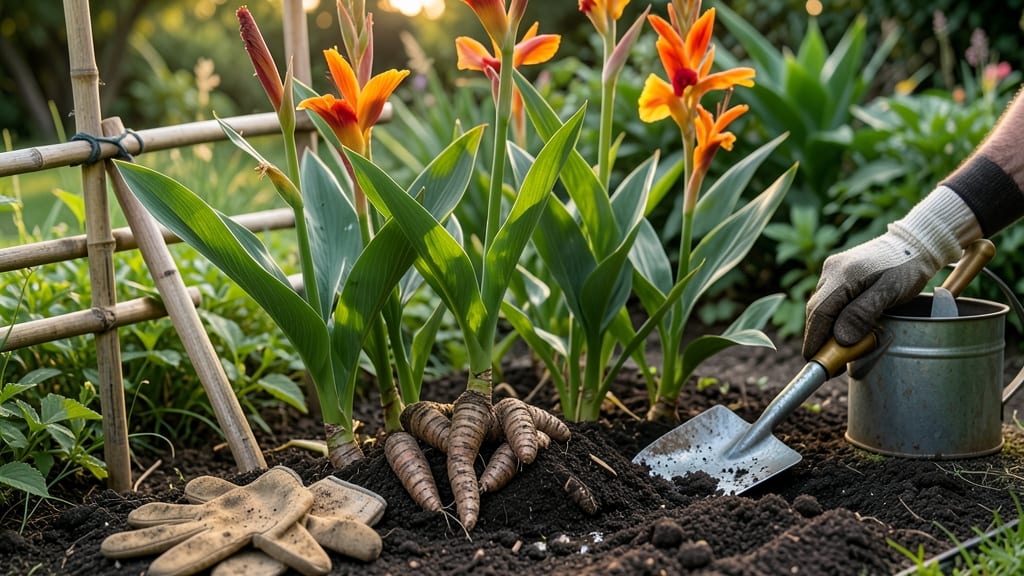
Timing when to plant canna bulbs in Missouri can mean the difference between a showstopping summer garden and a sad, frost-nipped disappointment.
These tropical beauties 🌺 crave warmth, and getting them in the ground too soon risks losing them to late frosts—while waiting too long might leave you without those bold, vibrant blooms by July.
Most Missouri gardeners in zones 5b-6b should wait until after the last frost date—typically mid-May to early June—when soil temperatures consistently hit 60°F.
But here’s the catch: rural areas and higher elevations might need to push planting back another week or two, while urban heat islands could let you plant earlier.
I’ve learned the hard way that rushing canna bulbs into cold soil slows their growth, leaving them vulnerable to late frosts. The key is balancing patience with preparation: amend your soil, choose a sunny spot, and have mulch ready to protect those tender shoots once they emerge.
In this guide, I’ll break down exactly when to plant in Missouri’s microclimates, how to prep your cannas for success, and even share tricks to extend their bloom season—because nobody wants their summer garden to end too soon. Let’s get those cannas thriving!
Missouri’s best planting windows for canna bulbs by month
Timing your canna bulb planting in Missouri’s Zone 5-6 climate means balancing frost risk with soil warmth. The last frost date varies across regions—St. Louis averages April 20, while Kansas City leans toward May 5.
Wait until soil temperatures hit 60°F (use a soil thermometer!) to ensure roots establish without frost damage.
For optimal growth, aim for late May to early June. This window gives your tropical cannas a 120-day growing season before first frost (typically October 15). Early planting risks root rot in cold soil, while late planting cuts bloom time short.
Missouri’s microclimates matter—rural areas may have 2-3 weeks earlier frost-free dates than cities. Check the Missouri Botanical Garden’s frost maps or use local weather stations (like KC’s NWS) for precise timing.
Here’s your month-by-month planting guide, including soil prep and bulb care tips:
| Month | Planting Window | Soil Temp | Prep Steps |
|---|---|---|---|
| April | Wait until after last frost | 50°F+ | Test soil pH (6.0-7.0 ideal) |
| May | Late May (St. Louis) to early June (KC) | 60°F+ | Amend soil with compost |
| June | Ideal for full bloom season | 65°F+ | Plant 2-4" deep, 12" apart |
| July-August | Late additions (containers only) | 60°F+ | Use black pots to warm soil |
Pro tip: Pre-soak bulbs for 24 hours before planting to kickstart growth. Place them in lukewarm water with a rooting hormone for extra vigor—this is especially helpful if your May soil feels cool.
For container gardeners, start bulbs indoors 4-6 weeks before your last frost date. Use well-draining pots (at least 12" deep) and move them outside only after nighttime temps stay above 55°F.
Missouri’s summer heat (July-August) is perfect for canna blooms, but late-season planting (after July 15) risks stunted growth. If you’re late, opt for dwarf varieties like ’Pyramid’ or ’Striped’, which mature faster.
Remember: Canna bulbs are tender perennials—they’ll die back with frost but regrow if stored properly. Mark your planting date and set a reminder for October to dig and store tubers before first frost.
🌱
How to extend canna bloom season in short Missouri summers
Missouri’s summers are short, but with the right strategies, your canna bulbs can keep blooming until the first frost. Since cannas thrive in warmth, extending their season means protecting them from early fall chills and maximizing their growth time.
The key is combining soil insulation, mulching techniques, and smart container gardening to create a microclimate that mimics their tropical roots.
One of my favorite tricks is using black plastic mulch or straw around the base of cannas. This traps heat in the soil, keeping roots warm even as daytime temperatures drop.
I’ve seen cannas in containers last 2-3 weeks longer than those planted in the ground because containers absorb and retain heat better. Just make sure your pots have drainage holes to prevent waterlogged roots.
For gardeners in Zone 5b, where frosts can sneak in as early as mid-October, consider planting cannas in elevated beds. Raised beds warm up faster in spring and stay warmer longer in fall.
Add a thick layer of straw mulch (6-8 inches) around the base to insulate the soil. This simple step can push your bloom season back by 3-4 weeks.
🌱 Pro Tip: Extend Blooms with These Tricks
- 🌡️ Soil Thermometer Check: Plant only when soil hits 60°F—waiting ensures faster growth and longer blooms.
- 🪴 Container Gardening: Use black pots to absorb heat; move containers to sunny spots during the day and sheltered areas at night.
- 🌿 Mulch Mastery: Apply straw or black plastic mulch to keep roots warm; refresh every 4-6 weeks.
- 🌸 Deadhead Regularly: Removing spent blooms redirects energy to new flowers, extending the season by 2-3 weeks.
Test soil temp in the afternoon for accuracy—morning readings can be misleadingly cool.
Don’t overlook the power of strategic bulb spacing. Plant cannas in clusters rather than rows—this creates a "heat island" effect, where the grouped plants generate and retain warmth. I’ve noticed that clusters in full sun (6+ hours daily) produce 20% more blooms than isolated plants.
Pair cannas with other heat-loving plants like coleus or sweet potatoes to further extend the season.
If you’re in Zone 6b, where first frosts might not arrive until late October, focus on watering consistency. Canna roots need steady moisture to stay active, but soggy soil invites rot. Water deeply in the morning, and reduce frequency as temperatures drop—aim for every 10-14 days in fall.
Avoid evening watering to prevent fungal diseases like root rot, which can cut your season short.
Finally, mark your calendar for September 1st—this is when I start prepping cannas for winter. Stop fertilizing 6 weeks before the first frost to encourage tuber formation. In late September, cut back foliage to 6 inches tall and cover the base with 12 inches of straw mulch.
This protects tubers until you’re ready to dig and store them in late fall.