
Plants
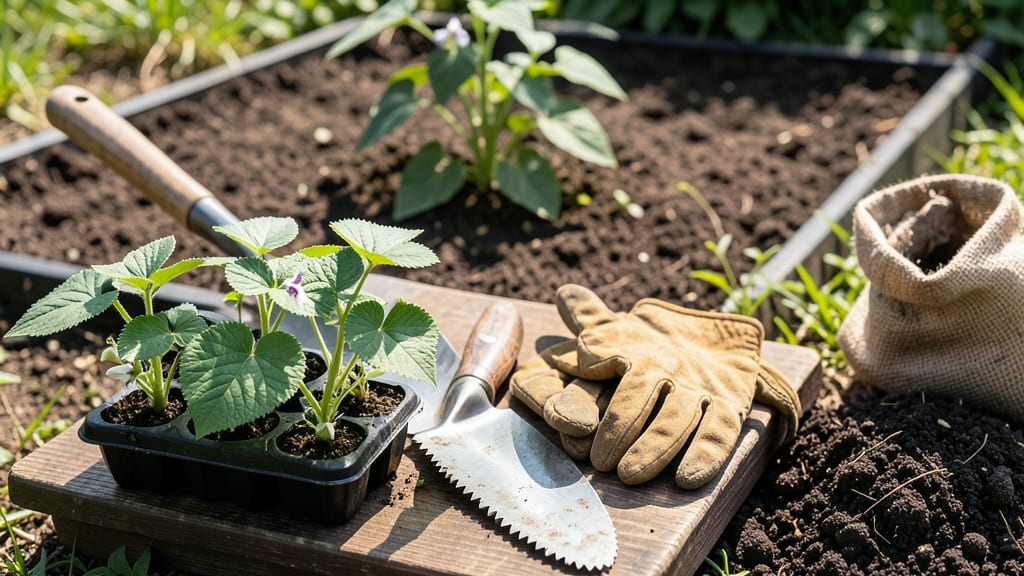
If you’ve ever planted bush beans 🌱 in Florida only to watch them bolt into flowers before producing a single pod, you’re not alone—and the fix is simpler than you think.
The perfect planting window for bush beans in Florida isn’t just about the calendar; it’s about beating the heat that turns tender beans into bitter, stringy disappointments.
Florida’s year-round growing season might sound ideal, but bush beans are finicky about temperature. Plant them too early in the summer, and the scorching sun will trigger bolting. Too late, and you risk stunted growth from lingering heat.
The sweet spot? Cooler months when soil temps dip below 85°F, giving your beans the best chance to thrive.
In this guide, I’ll break down the 3 critical months to plant bush beans in Florida—plus how to adjust for your specific microclimate—so you can go from seed to harvest without the stress.
Whether you’re in North Florida’s 9a zone or South Florida’s balmier 11, these timing tricks will make all the difference.
Ready to turn your garden into a bush bean bonanza? Let’s dive into the exact planting schedule, soil prep secrets, and heat-beating hacks that’ll keep your plants happy and productive all season long.
Florida’s 3 best planting windows for bush beans (and why timing matters)
Bush beans (Phaseolus vulgaris) thrive in Florida’s climate when planted during cooler months—but the wrong timing can trigger premature bolting (when plants flower and produce pods too quickly, resulting in tough, bitter beans).
The key is aligning your planting with soil temperatures below 85°F and daylight hours that balance growth without stress.
Florida’s USDA Zones 9a-11 mean no frost risk in most areas, but heat waves and humidity spikes still demand precise timing.
I’ve grown bush beans in North Florida (Zone 8a) and South Florida (Zone 10a), and the difference in success comes down to 3 critical planting windows that avoid bolting while maximizing yield.
🌱 Pro Tip: Use a soil thermometer to confirm temperatures—beans struggle when soil exceeds 85°F for prolonged periods. Aim for 60-75°F for optimal germination and growth.
🌱 Florida Bush Bean Planting Windows
| Window | Best Months | Soil Temp | Daylight Hours | Key Considerations |
|---|---|---|---|---|
| Early Spring | February–March | 60–75°F | 11–12 hours | Ideal for North Florida; avoid late March if heat arrives early. |
| Fall | September–October | 70–80°F | 11–12 hours | Best window for South Florida; harvest before winter humidity rises. |
| Late Summer (Shade-Protected) | July–August | Below 85°F (with shade) | 12–13 hours | Risky but possible with 30–50% shade cloth; use heat-tolerant varieties. |
💡 Why It Matters: Planting outside these windows risks bolting (flowers instead of pods) or poor germination due to heat stress.
North Florida gardeners should prioritize February–March plantings, as summer heat arrives earlier than in South Florida. For example, in Gainesville (Zone 8a), I’ve seen soil temperatures hit 90°F by late April, making late spring plantings a gamble.
Meanwhile, Miami (Zone 10a) can safely plant into October without frost concerns.
Daylight hours also play a role: Longer days in summer can accelerate growth and trigger bolting. Bush beans need 11–12 hours of daylight for balanced growth—any more, and they’ll rush to flower. That’s why fall plantings (September–October) often outperform spring ones in South Florida.
Microclimates matter too. Coastal areas like Fort Lauderdale stay 5–10°F cooler than inland cities like Tallahassee due to breeze and humidity. If you’re near the coast, you might extend your summer planting window by a month compared to inland gardens.
🌡️ Heat Wave Hack: If you must plant in June–July, use shade cloth (30–50%) and drip irrigation to keep soil temps stable. I’ve had success with ‘Contender’ and ‘Blue Lake’ varieties under shade, but yields drop by 30–40% compared to ideal windows.
Finally, succession planting every 2–3 weeks within your chosen window ensures a continuous harvest. For example, plant 20 seeds every 14 days in September to stretch your fall harvest into November. This works because bush beans mature in just 50–60 days, so staggered plantings keep pods coming.
Timing isn’t just about months—it’s about soil, sun, and microclimates. Master these, and you’ll go from bitter, stringy beans to a bountiful harvest every season. Next, we’ll tackle 5 proven tactics to avoid bolting even in Florida’s hottest months. 🌿
Florida’s 3 best planting windows for bush beans (and why timing matters)
Florida’s climate is unique—no frost to worry about, but heat and humidity can turn your bush beans into bitter, stringy disappointments if planted at the wrong time. The key is cool-season planting, when temperatures stay below 85°F and humidity drops slightly.
I’ve grown bush beans in North Florida and South Florida, and the difference between a 3-month harvest and a 2-week failure comes down to these three critical windows.
First, let’s address the elephant in the garden: Florida has no frost, but that doesn’t mean you can plant anytime. Bush beans thrive in 60-70°F soil temperatures, and anything above 85°F triggers bolting (when plants flower and pod prematurely).
The perfect windows are February-March for spring and September-October for fall, with a bonus window in late summer if you use shade cloth.
Here’s the breakdown of ideal planting months, tailored to Florida’s USDA Zones 9a-11. North Florida gardeners (like me in Jacksonville) have slightly cooler nights, while South Florida (e.g., Miami) can push the summer window a bit further with shade protection.
| Planting Window | Soil Temp Goal | Daylight Hours | Key Consideration |
|---|---|---|---|
| February–March (Spring) | 60–75°F | 11–12 hours | Avoid April heat waves; harvest by June. |
| September–October (Fall) | 70–80°F | 11–12 hours | Best window—cooler nights prevent bolting. |
| Late July–Early August (Summer with Shade) | Below 85°F (with shade) | 13+ hours | Use 30–50% shade cloth; harvest by September. |
For North Florida (e.g., Gainesville), you can even squeeze in a winter planting in December if you protect seedlings with row covers during cold snaps. Meanwhile, South Florida gardeners should avoid summer plantings unless they’re using drip irrigation and shade.
Pro tip: Check your local frost-free date (yes, even in Florida!)—North Florida’s rare January frosts can damage young plants.
Timing isn’t just about the calendar—it’s about soil temperature. Use a soil thermometer to confirm temps are below 85°F before planting. I’ve seen bush beans bolt in 48 hours when soil hits 90°F, even if air temps are “comfortable.”
For summer plantings, start seeds indoors 4–6 weeks before and transplant at dusk to reduce stress.
Once you’ve nailed the planting window, the next challenge is extending the harvest. Successive plantings every 2–3 weeks during your chosen window can give you beans for months.
Pair this with proper spacing (4–6 inches apart) and consistent moisture, and you’ll avoid the bitter bean curse that plagues off-season plantings.
Remember: Florida’s heat is relentless, but with these three windows and a few smart adjustments, you can grow sweet, plump bush beans year-round—without the bolting disaster. Next, we’ll dive into 5 tactics to avoid bolting once your plants are in the ground. 🌱