
Plants
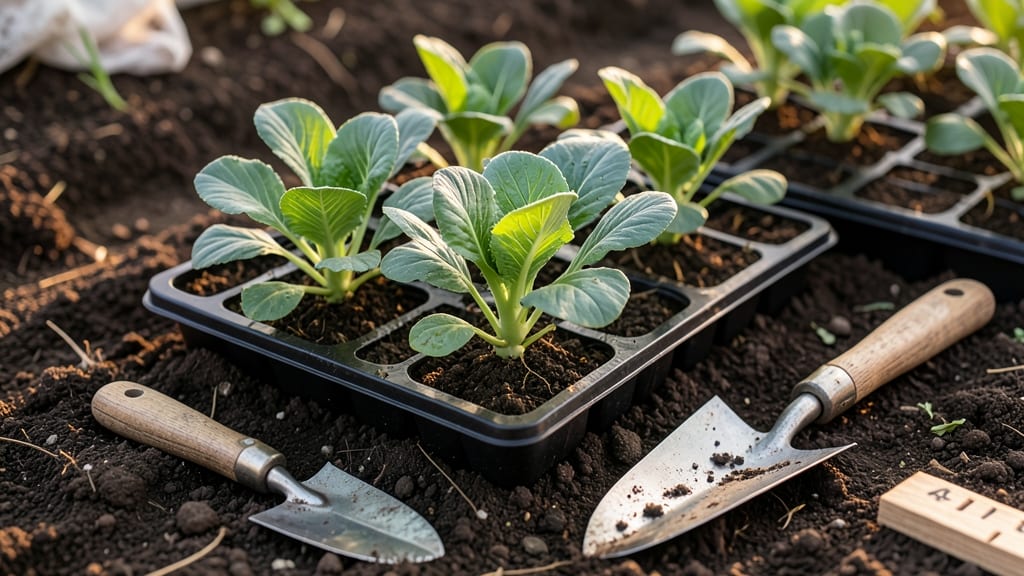
Timing is everything when it comes to growing 🥦 broccoli in Zone 7a—plant it too early, and you risk bolting; too late, and your harvest suffers. The key lies in understanding your local frost dates and broccoli's cool-weather preferences.
In Zone 7a, where last frosts typically hit around March 15, your best window opens in early spring—think March to April—or shifts to late summer for a fall crop.
This isn’t just about avoiding frost; it’s about giving your broccoli the 50-90 days it needs to mature before summer heat sets in.
I’ve learned the hard way that skipping soil prep or ignoring microclimates can turn your garden into a bitter disappointment. Whether you’re a first-time grower or a seasoned green thumb, these insights will help you maximize your harvest without the guesswork.
Let’s break down exactly when to plant, which varieties thrive in 7a’s climate, and how to protect your crop from unpredictable weather. Your future meals—and your patience—will thank you.
Optimal broccoli planting times in Zone 7a: fall vs. spring strategies
In Zone 7a, timing is everything when growing broccoli. The key is planting during the coolest months—either early spring or late summer—to avoid the heat that triggers bolting (premature flowering).
Spring plantings should happen 4-6 weeks before your last frost, while fall plantings need 8-10 weeks before the first frost to mature before winter sets in.
For Zone 7a, your last frost date is typically around March 15, and the first frost arrives near November 15. This gives you two prime windows: March-April for spring and August-September for fall.
Fall plantings are often more reliable in this zone because they avoid the summer heat that stresses broccoli.
Here’s how to align your planting with Zone 7a’s climate to get the best harvest:
| Planting Window | Key Considerations | Average Maturity | Zone 7a Risk |
|---|---|---|---|
| Early Spring (March-April) | Plant 4-6 weeks before last frost (March 15). Use row covers for late frosts. | 60-75 days | Bolting risk if planted too early or too late. |
| Late Summer (August-September) | Plant 8-10 weeks before first frost (November 15). Ideal for fall harvests. | 50-60 days | Heat stress if planted too late; use shade cloth if needed. |
| Succession Planting (Every 2 Weeks) | Stagger plantings to extend harvest and avoid gaps. Works for both spring and fall. | Varies (50-80 days) | Minimal risk if timed correctly with soil temps. |
Spring plantings in Zone 7a require careful monitoring of soil temperatures. Broccoli seeds germinate best in 45-85°F soil, but they’ll rot if planted in cold, wet soil. Wait until the soil warms to at least 50°F before sowing.
If you’re eager to start early, consider starter plants from a nursery, which can handle cooler temps better than seeds.
Fall is often the sweet spot for broccoli in Zone 7a. Planting in late August or early September ensures your crop matures before the first frost in November.
This window also avoids the summer heat that causes broccoli to bolt prematurely. For a continuous harvest, try succession planting every 2 weeks in both spring and fall.
One common mistake in Zone 7a is planting broccoli too early in spring. If you sow seeds in February, they may germinate slowly in cold soil and produce small, bitter heads by harvest time.
Instead, aim for mid-March to give plants enough time to grow before summer arrives. Similarly, avoid planting too late in fall—seeds sown in October may not mature before frost.
To maximize your broccoli yield in Zone 7a, pair your planting schedule with proper soil prep. Amend your garden bed with compost or well-rotted manure to improve drainage and fertility.
Broccoli prefers slightly acidic soil (pH 6.0-7.0), so test your soil and adjust with lime or sulfur if needed. A mulch layer also helps retain moisture and regulate soil temperature.
If you’re new to growing broccoli in Zone 7a, start with small batches to test your timing. Keep a gardening journal to track when you plant, when heads form, and how the weather affects growth.
Over time, you’ll refine your schedule to match your microclimate—whether you’re in a cooler valley or a warmer urban area within the zone.
Remember, broccoli is a cool-season crop, and Zone 7a’s mild winters can actually work to your advantage. With the right timing, you can enjoy fresh, homegrown broccoli from late spring through fall—no bitter taste or stunted growth in sight! 🌱
Optimal broccoli planting times in Zone 7a: fall vs. spring strategies
Zone 7a gardeners have two prime windows to grow 🥦 broccoli: early spring and late summer. Spring planting gives you a harvest just as summer heat arrives, while fall planting lets you enjoy fresh broccoli through early winter.
The key is timing these plantings to avoid bolting (premature flowering) caused by heat or frost.
For spring, aim to plant 4-6 weeks before your last frost date—typically mid-March to early April in Zone 7a. This gives your broccoli 50-90 days to mature before summer’s heat stresses it.
Fall plantings should go in 8-10 weeks before the first frost (around late August to early September), ensuring a harvest before winter sets in.
| Season | Planting Window | Days to Maturity | Harvest Window |
|---|---|---|---|
| Spring | Mid-March to early April | 50-70 days | May to early June |
| Fall | Late August to early September | 60-90 days | October to November |
Zone 7a’s unpredictable weather can throw off your timing. If late frosts linger, use row covers to protect seedlings. Conversely, if summer arrives early, opt for fast-maturing varieties (like ‘De Cicco’) to beat the heat. I’ve found that succession planting—sowing seeds every 2 weeks—extends harvests by 4-6 weeks.
Soil temperature matters too: broccoli seeds need 40-85°F to germinate. Use a soil thermometer to confirm readiness—cold soil delays sprouting. Amend your beds with compost to retain moisture and warmth, which helps seedlings establish faster in spring’s cooler air.
Watch for bolting signs like bitter-tasting leaves or flower stalks. If your plants bolt too early, blame heat stress or long daylight hours. Shade cloth can help, but variety selection is your best defense. Stick to cool-season types like ‘Waltham 29’ or ‘Calabrese’ for Zone 7a’s climate.
Pro tip: Mark your calendar for March 15 (last frost) and November 15 (first frost)—these dates anchor your planting schedule. Adjust by 1-2 weeks if your microclimate runs warmer or cooler. With the right timing, you’ll enjoy sweet, tender broccoli twice a year in Zone 7a.