
Plants
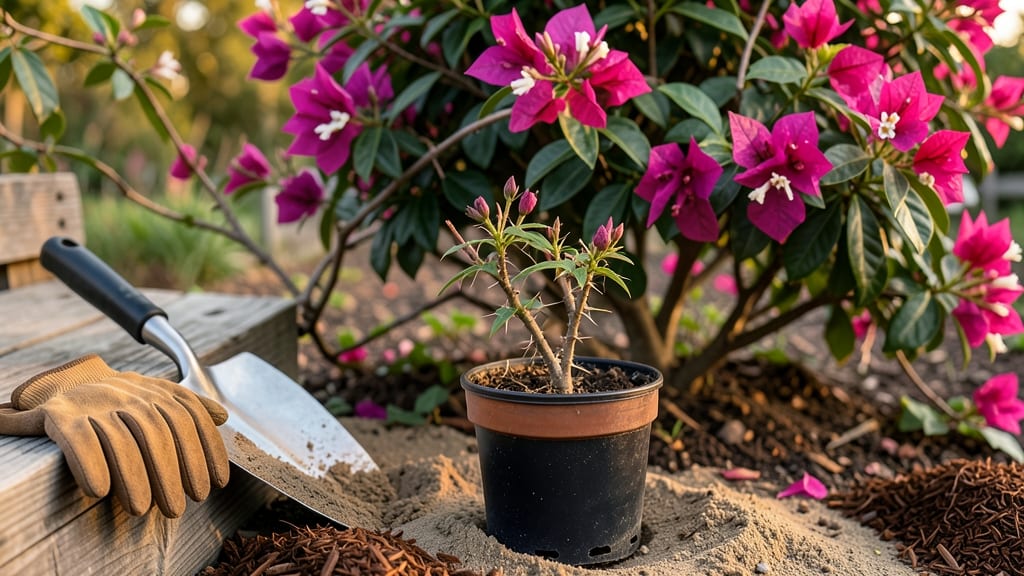
Planting bougainvillea in Texas might seem like a no-brainer—after all, this 🌺 thrives in heat. But timing is everything, and getting it wrong could mean struggling to establish your plant before the next scorching summer hits.
The key isn’t just avoiding frost; it’s understanding how Texas’ 11 heat zones (from North to South) create wildly different planting windows.
If you’ve ever watched your bougainvillea wilt under 100°F+ Texas summers, you know how critical proper timing is. Whether you’re starting from seeds or transplanting a mature plant, the right window ensures strong root growth before the heat peaks.
I’ll break down the best months for each region—plus how to prep soil and care for your plant so it blooms year-round like a pro.
Here’s the secret: North Texas (like Zone 8a) has a shorter frost-free window, so planting early spring is ideal. But in South Texas (Zone 10b), you can plant almost any time—except during those rare cold snaps.
I’ll show you how to adjust your approach based on where you live, so you’re not left with sad, stunted plants.
Ready to transform your yard into a vibrant bougainvillea paradise? Let’s dive into the exact planting schedule, transplanting tips, and care tricks that’ll have your 🌺 thriving—no matter which part of Texas you call home.
Texas bougainvillea planting calendar by heat Zone (best months for success)
Texas’ diverse climate zones—from North Texas’ chilly winters to South Texas’ tropical heat—mean bougainvillea planting isn’t one-size-fits-all. The Texas A&M AgriLife Extension divides the state into 11 heat zones (A1-C3), each with unique frost risks and ideal planting windows.
For example, Zone A1 (Panhandle) has last frost dates in late March, while Zone C3 (Rio Grande Valley) rarely sees frost at all.
Bougainvillea thrives in USDA Zones 8a-10b, but timing matters. Plant too early in North Texas, and frost can kill tender roots. Plant too late in South Texas, and summer’s 100°F+ heat can stress young plants.
My golden rule: Aim for 60-70°F soil temps and consistent daytime highs above 70°F—this ensures strong root establishment before extreme heat or cold hits.
Here’s how to align your planting with Texas’ heat zones, frost risks, and seasonal quirks—including post-hurricane timing for coastal areas where salt spray can damage foliage. Whether you’re planting bare-root cuttings, container-grown specimens, or transplanting mature vines, this calendar keeps your bougainvillea blooming year-round.
| Heat Zone | Last Frost Date | Best Planting Window | Soil Temp Goal (°F) | Key Considerations |
|---|---|---|---|---|
| A1 (Panhandle) | Late March | April–May | 60–65°F | Wait for soil warmth; use black plastic mulch to accelerate heating. |
| A2 (North Central) | Mid-March | March–April | 60–68°F | Avoid early March if nights dip below 30°F; protect with row covers if needed. |
| B1 (East Texas) | Mid-February | February–March | 62–70°F | Humidity slows drying; ensure well-draining soil to prevent root rot. |
| C1 (South Texas) | January 15 | January–April | 65–72°F | Plant after hurricanes (wait 2–3 weeks for soil to settle); use drip irrigation to avoid fungal issues. |
| C3 (Rio Grande Valley) | None (tropical) | Year-round (best: Sept–Nov) | 70–75°F | Avoid peak summer (June–Aug); shade acclimate container plants before transplanting. |
For container planting, Texas’ urban heat islands can push soil temps 10–15°F higher than rural areas. If you’re in Zone A2 or B1, start containers indoors in February and harden them off before mid-April.
In South Texas (Zones C1–C3), containers dry out 3x faster—use self-watering pots and lightweight potting mix to prevent cracking.
Pro tip: Root growth slows below 55°F, so if you’re in North Texas and planting in March, cover the soil with clear plastic mulch to trap heat. In South Texas, late summer transplants (August–September) work if you provide afternoon shade for 2–3 weeks post-planting.
The key is matching your bougainvillea’s tropical roots with stable, warm conditions.
Don’t overlook microclimates. A west-facing wall in Austin (Zone B2) can be 10°F warmer than your yard’s average, creating a mini heat zone perfect for early planting. Use a soil thermometer ($10 at garden centers) to check temps before committing—60°F is the magic number for root activity.
How to transplant mature bougainvillea in Texas (avoiding shock in extreme heat)
Transplanting an established bougainvillea in Texas can be tricky—especially when summer temps hit 100°F+. The key is timing: early morning on a cloudy day minimizes stress. I’ve moved mature plants in August before, but only with careful prep.
Start by pruning 1/3 of the foliage 2 weeks before transplanting to reduce water loss. This helps the plant focus energy on root recovery instead of leaf growth.
Water your bougainvillea deeply 2 days before moving it—this keeps roots hydrated and pliable. Dig a hole twice as wide as the root ball to prevent root circling. Amend the native soil with compost and perlite (Texas clay drains poorly!) to create a looser, airier mix.
Pro tip: Add a handful of mycorrhizal fungi to boost root establishment in our hot climate.
⚠️ Critical Mistake: Transplanting in Peak Heat
Moving bougainvillea between 11 AM and 3 PM in Texas summers causes sunburned roots and leaf scorch. Even shade-cloth won’t save it—roots need time to adjust. Best windows: Early morning (5-8 AM) or late afternoon (5-7 PM) when temps drop below 85°F.
✅ DO: Water roots thoroughly before transplanting
❌ DON'T: Skip mulching—use 3 inches of wood chips to retain moisture
After transplanting, shade the plant for 7-10 days using 50% shade cloth. This prevents transplant shock while roots establish. Stake tall varieties immediately to support new growth—Texas winds can topple weak stems.
I use bamboo stakes tied with soft plant tape to avoid cutting into bark. Monitor soil moisture daily; bougainvillea roots need consistent hydration during recovery.
Fertilize 4 weeks after transplanting with a low-nitrogen bloom booster (7-9-5 NPK ratio). Too much nitrogen now encourages leafy growth over flowers. In North Texas (Zones 8a-8b), hold off until spring to avoid winter stress.
South Texas growers can fertilize monthly year-round, but reduce amounts by half during summer’s peak heat.
Watch for yellowing leaves or drooping bracts—signs of stress. Increase watering if soil feels dry 1 inch below the surface. Most transplants rebound in 6-8 weeks, but tropical varieties (like 'Thunderbird') recover faster than cold-hardy types.
Prune lightly 3 months post-transplant to encourage bushier growth and more blooms.
Protect your bougainvillea from Texas’ sudden cold snaps (even in Zone 10!) by wrapping containers in burlap or moving potted plants to a garage or patio when temps drop below 40°F.
With the right timing and care, your transplanted bougainvillea will bloom more vigorously than ever—just like my 🌺 'California Gold' that’s thrived for 5 years after a summer transplant!