
Plants
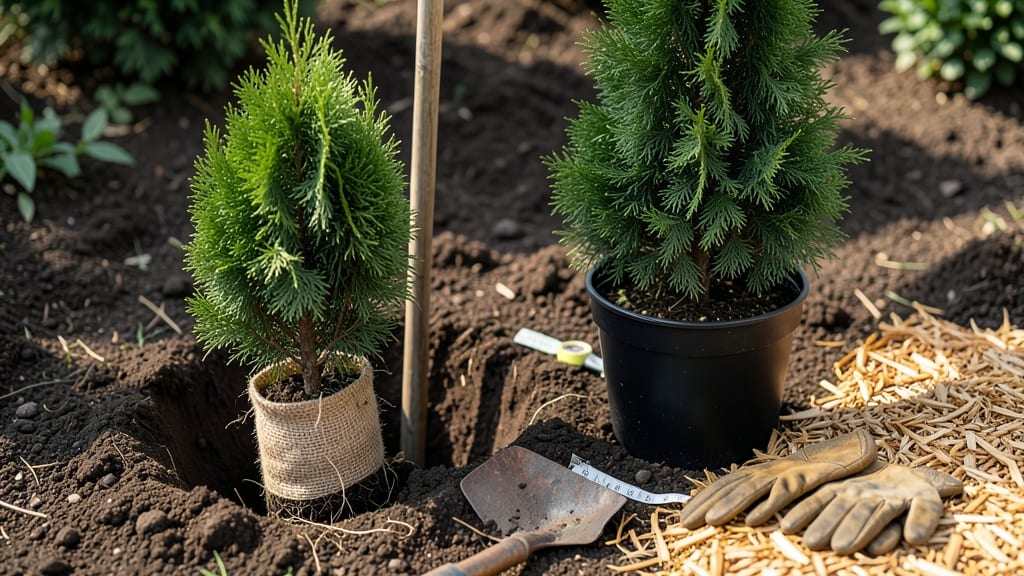
Planting arborvitae in Michigan at the wrong time can turn your $50 shrub into a sad, stunted mess—so getting the timing right is the key to fast, healthy growth.
Whether you're in zone 5b or 6a, the difference between spring and fall planting can mean the difference between a thriving 🌲 arborvitae and one struggling to survive winter.
Most gardeners in Michigan swear by fall planting, but is it really better than spring? I'll break down the science behind why September-October gives your arborvitae the best chance to establish roots before winter, plus how to adjust if you're in the Upper Peninsula where frosts come earlier.
Spoiler: soil temperature matters more than you think.
You'll also discover the 3 critical mistakes that kill arborvitae transplants in Michigan—like planting too late in spring when roots can't establish before summer heat hits. We'll cover soil prep, watering schedules, and even how to protect young plants from early frosts that sneak in by October 15.
Ready to plant with confidence? Let's dive into the exact months that work best for your Michigan climate zone, plus pro tips to ensure your arborvitae grows 3 feet taller in its first year than your neighbor's.
Michigan arborvitae planting calendar by hardiness zones (4-6)
Michigan's three USDA hardiness zones (4-6) create distinct planting windows for arborvitae, where timing directly impacts survival rates. In Zone 4 (Upper Peninsula), you'll need to adjust for earlier frosts, while Zone 6 (Southwest Michigan) offers more flexibility.
The key is planting when soil temperatures stay above 40°F for root establishment.
For Zone 5 (Detroit/Traverse City), the optimal window spans from April 15 to May 15 in spring and September 15 to October 15 in fall. These periods balance warm soil with cool air, reducing transplant shock.
In Zone 4, shift planting 2-3 weeks later to avoid late frosts, while Zone 6 can extend fall planting until November 1.
Here's a zone-specific breakdown to help you choose the perfect timing for your Michigan location:
🌱 Michigan Arborvitae Planting Calendar
| Zone | Spring Window | Fall Window | Soil Temp | Key Consideration |
|---|---|---|---|---|
| Zone 4 | May 1-15 | September 15-October 1 | 45-50°F | Avoid late frosts |
| Zone 5 | April 15-May 15 | September 15-October 15 | 40-45°F | Balanced growing season |
| Zone 6 | April 1-May 10 | September 1-October 31 | 40°F+ | Longer fall window |
Michigan's frost-free days (typically 160 days) create a 6-week window between last and first frost. This period is critical for root establishment—planting too early risks frost damage, while late planting may not allow enough time for roots to anchor before winter.
For container-grown arborvitae, you can extend your window by 2 weeks in either direction since their roots establish faster.
In Zone 5, where most Michigan gardeners live, early fall planting (September) is ideal because cooler temperatures reduce transplant shock while allowing roots to grow before winter dormancy. The soil temperature should stay above 40°F for at least 4-6 weeks post-planting to ensure successful root development.
Use a soil thermometer to monitor—this simple tool can save your arborvitae from poor establishment.
For Zone 4 gardeners, focus on spring planting (May) to avoid early fall frosts that can damage tender new roots. If you must plant in fall, choose hardy varieties like 'Emerald Green' or 'American Arborvitae', which tolerate colder temperatures better.
In Zone 6, you have the luxury of planting until November 1, but avoid late fall planting if temperatures drop below 32°F before roots establish.
Another key factor is local microclimates. Urban areas like Detroit may experience heat islands that delay fall frosts, while rural northern Michigan can see earlier frosts. Adjust your planting timeline by 1-2 weeks based on your specific location's frost history.
Check your local Cooperative Extension Service for frost date averages—this data is gold for Michigan gardeners!
Pro tip: Mulch heavily (3-4 inches) after planting to insulate roots and maintain even soil moisture. This is especially critical in Zone 4, where temperature swings are more extreme. Use pine straw or shredded bark—these materials break down slowly and won't compact like leaves or grass clippings.
Water deeply once a week for the first month to encourage root growth into the surrounding soil.
Remember, arborvitae roots grow best in well-draining soil with a slightly acidic pH (6.0-7.0). Before planting, amend your soil with compost or peat moss if your native soil is clay-heavy or sandy. This preparation step can double your success rate, especially in Michigan's variable soil conditions.
🌲
Michigan arborvitae planting calendar by hardiness zones (4-6)
Michigan’s USDA hardiness zones 4-6 create distinct planting windows for arborvitae—getting the timing right means the difference between thriving evergreens and struggling transplants. In Zone 4 (Upper Peninsula), where winters are harsh, you’ll want to plant earlier in spring or later in fall to avoid frost damage.
Meanwhile, Zone 6 (Southwest Michigan) offers a slightly longer window, but heat and drought in late summer can stress young plants.
For all zones, the ideal soil temperature for planting is between 40°F and 60°F. This range ensures roots establish quickly before winter dormancy or summer heat sets in.
In Michigan, this typically aligns with April-May for spring planting and September-October for fall planting, but local microclimates can shift these windows by weeks.
Here’s how to align your planting with Michigan’s zone-specific frost dates and soil conditions for maximum success:
| Zone | Last Frost Date | First Frost Date | Best Planting Window | Soil Temp Goal |
|---|---|---|---|---|
| Zone 4 (UP) | Mid-May | Early October | Late April–Early May or Late September | 40°F–50°F |
| Zone 5 (Detroit, Traverse City) | Early April | Mid-October | Early April–Mid-May or September–Early October | 45°F–55°F |
| Zone 6 (SW Michigan) | Late March | Late October | Late March–Early April or October | 50°F–60°F |
In Zone 4, prioritize fall planting (late September) to let roots establish before winter, while Zone 6 gardeners can push spring planting into early April. Always check your local frost-free date—Michigan’s can vary by 10–14 days between regions.
For example, Traverse City’s last frost is often 2 weeks earlier than Detroit’s.
Pro tip: Use a soil thermometer to confirm temperatures before planting. If soil is below 40°F, delay until conditions warm up—cold soil slows root growth and increases transplant shock risk. In Zone 5, this is especially critical in April, when unpredictable late frosts can occur.
Once you’ve nailed the timing, focus on well-draining soil and adequate mulching to retain moisture. Arborvitae planted in Michigan’s clay-heavy soils (common in Zone 5) benefit from amending with compost before transplanting. This prep work is just as important as the planting date itself!
🌱