
Plants
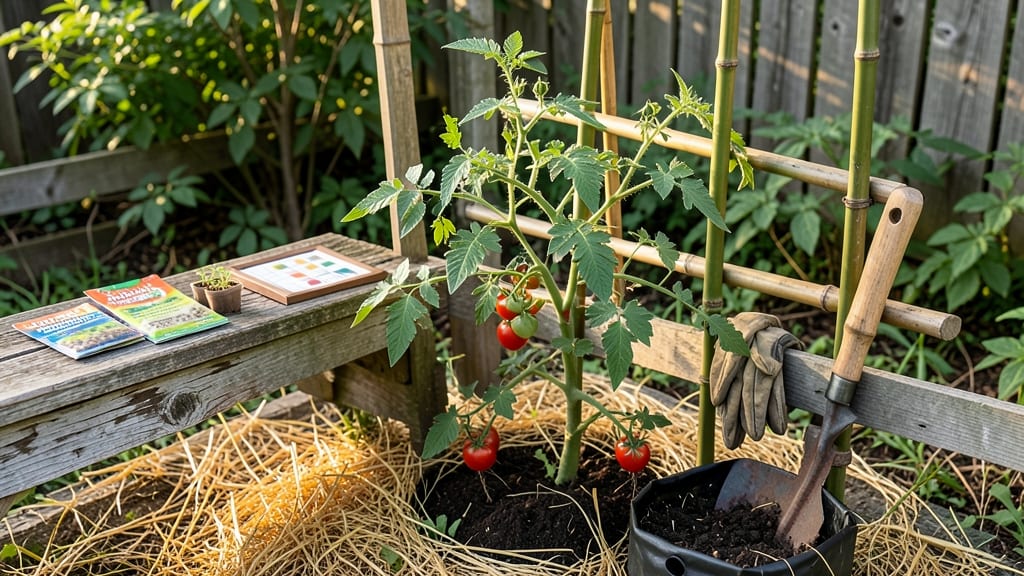
Timing when you should plant tomatoes in Missouri isn’t just about waiting for spring—it’s about beating the last frost while giving your plants the warmth they crave.
With USDA zones ranging from 5b to 6b, getting this wrong could mean frozen seedlings or stunted growth, leaving you with a harvest that’s less than spectacular.
Most gardeners in Missouri rush to plant as soon as the calendar hits April, but that’s a recipe for disappointment. The real key? Waiting until soil temperatures hit 60°F and the last frost date has passed—typically between April 15 and May 15, depending on your microclimate.
Whether you’re sowing seeds directly or transplanting seedlings, this window makes all the difference in avoiding early setbacks.
I’ve seen firsthand how a few weeks can transform a struggling tomato patch into a thriving vine loaded with juicy fruit.
In this guide, I’ll break down the exact planting schedule for your zone, share the best varieties for Missouri’s climate, and reveal the critical mistakes that even experienced gardeners make. Let’s get those tomatoes growing strong from day one.
Ready to skip the guesswork and plant with confidence? You’ll learn how to use local weather data, adjust for containers vs. in-ground planting, and even stagger your harvest for a summer-long supply. Your future self—and your taste buds—will thank you.
Missouri’s frost-free dates by USDA Zone: when to plant tomatoes for maximum yield
Missouri’s diverse climate—from the cooler north to the warmer southern regions—means your tomato planting timeline should align with your USDA zone. Whether you’re in Zone 5b (northern Missouri) or Zone 7a (southern Missouri), knowing your last frost date and soil temperature thresholds is critical for success.
Tomatoes thrive when soil reaches 60°F, and planting too early can lead to stunted growth or frost damage. Let’s break down the exact windows for each zone to ensure your seedlings get a head start without risking a late freeze.
For Zone 5b (common in areas like St. Joseph or Kirksville), your last frost date typically falls around April 15. This means you should wait until mid-to-late April to transplant seedlings or direct-sow in the ground.
In Zone 6a (Columbia, Jefferson City), the window shifts slightly later—April 20–May 1—while Zone 6b (Kansas City, Springfield) and Zone 7a (Poplar Bluff, Cape Girardeau) can safely plant as early as March 25–April 10 for early varieties. Always check local almanac data or weather forecasts for adjustments.
Here’s the key: Soil temperature matters more than air temperature. Use a soil thermometer to confirm your garden bed has warmed to 60°F before planting. Cold soil can delay germination or cause seedlings to rot. A trick I use?
Lay down black plastic mulch 1–2 weeks before planting to accelerate soil warming. This method can shave off 7–10 days from your planting timeline, especially in Zone 5b where springs are slower to warm.
Direct sowing vs. transplanting also affects timing. If you’re starting seeds indoors, begin them 6–8 weeks before your last frost date. For Zone 5b, that’s around February 20–March 1, while Zone 7a gardeners can start seeds as early as January 15.
Transplants should be 3–4 inches tall with 2–3 sets of leaves before moving outdoors. Hardening off seedlings for 7–10 days before transplanting reduces shock and improves survival rates.
Missouri’s microclimates can vary dramatically even within a city. Urban areas like St. Louis might experience urban heat islands, allowing for slightly earlier planting in south-facing beds. Conversely, rural areas or higher elevations (e.g., Ozark Mountains) may have later frost dates.
To hedge your bets, consider using row covers or cloches to protect seedlings if you plant early. These tools can extend your growing season by 2–4 weeks, giving you a longer harvest window.
Don’t overlook fall planting for late-season varieties! In Zone 6b and 7a, you can sow heat-tolerant varieties like ‘Celebrity’ or ‘Heatmaster’ as late as July 1–15 for a fall harvest.
These tomatoes mature quickly (50–60 days) and can ripen before the first frost. Just be sure to choose disease-resistant varieties to combat Missouri’s humid summers.
Pro tip: Bookmark the Missouri Climate Center or use apps like Old Farmer’s Almanac to track frost predictions and heat waves. Sudden temperature drops in May can still occur, so keep an eye on forecasts and have row covers ready.
Planting too early is a common mistake—wait for consistency in warm nights (50°F+) to ensure strong growth.
Now, let’s dive into the specifics. The table below summarizes your planting windows, soil temperature requirements, and recommended actions by zone. Use this as your cheat sheet to avoid the guesswork!
| USDA Zone | Last Frost Date | Planting Window | Soil Temp Threshold | Action |
|---|---|---|---|---|
| Zone 5b | April 15 | April 20–May 10 | 60°F+ | Use row covers; plant after soil warms. |
| Zone 6a | April 20 | April 25–May 5 | 60°F+ | Direct sow or transplant hardened seedlings. |
| Zone 6b | April 10 | March 25–April 15 | 60°F+ | Early varieties can go in late March. |
| Zone 7a | March 25 | March 15–April 10 | 60°F+ | Start seeds indoors by January 15. |
If you’re unsure about your zone, the USDA Plant Hardiness Zone Map is a great resource. Simply enter your ZIP code to confirm. Once you’ve nailed down your zone, the next step is choosing the
Best tomato varieties for Missouri’s climate: early, mid, and late-season planting strategies
Choosing the right tomato varieties for Missouri’s climate isn’t just about picking your favorite flavor—it’s about matching your plant’s needs to the 165-day growing season and avoiding early frosts or late-season heat stress.
I’ve grown dozens of varieties here, and the best performers fall into three categories: early-season, mid-season, and late-season types, each with its own planting window to maximize your harvest.
For Zone 5b-6b, early varieties like ‘Stupice’ or ‘Early Girl’ thrive when planted April 15-May 1—they mature in just 60-65 days, giving you a jump on the season. These are my go-to for beating late frosts, especially in northern Missouri where temperatures can dip unexpectedly.
Mid-season workhorses like ‘Brandywine’ or ‘Celebrity’ (70-75 days) should hit the soil by May 1-15 for a summer-long harvest.
Don’t overlook late-season varieties like ‘Cherokee Purple’ or ‘San Marzano’—they’re heat-tolerant and planted May 15-June 1 to avoid early blight. I’ve seen these produce fruit well into October, even when daytime temps drop.
The key is staggering your plantings: start with early varieties, add mid-season types 2-3 weeks later, and finish with late-season stars for a continuous supply.
- Early Varieties (60-65 days): Plant April 15-May 1 (e.g., ‘Stupice’, ‘Early Girl’). Ideal for Zone 5b to beat late frosts.
- Mid-Season Varieties (70-75 days): Plant May 1-15 (e.g., ‘Brandywine’, ‘Celebrity’). Peak harvest in July-August.
- Late-Season Varieties (80+ days): Plant May 15-June 1 (e.g., ‘Cherokee Purple’, ‘San Marzano’). Thrives in late summer heat.
- Heat-Tolerant Varieties: Plant June 1-15 (e.g., ‘Solar Fire’, ‘Heatmaster’). Avoids blight risks in humid Missouri summers.
- Succession Planting Tip: Space plantings 2-3 weeks apart for a continuous harvest from June to October.
Missouri’s humidity and variable weather demand disease-resistant varieties like ‘Mountain Merit’ (VFN-resistant) or ‘Defiant PhR’, which I’ve seen outperform traditional types in wet years. For containers or small spaces, ‘Tiny Tim’ or ‘Patio Princess’ (dwarf varieties) planted May 15-June 1 deliver reliable fruit without sprawling.
These compact types are perfect for balconies or urban gardens where space is limited.
Pro tip: If you’re using black plastic mulch to warm soil faster, you can push early plantings by 1-2 weeks. I’ve had ‘Early Girl’ tomatoes ready for harvest by June 15 in Zone 6b using this trick. Just
Your tomato harvest timeline should align with your planting dates: early varieties give you fruit by late June, mid-season types peak in July-August, and late-season stars extend your harvest until October’s first frost. Plan accordingly, and you’ll enjoy homegrown tomatoes from summer through fall—no grocery store competition needed.