
Plants
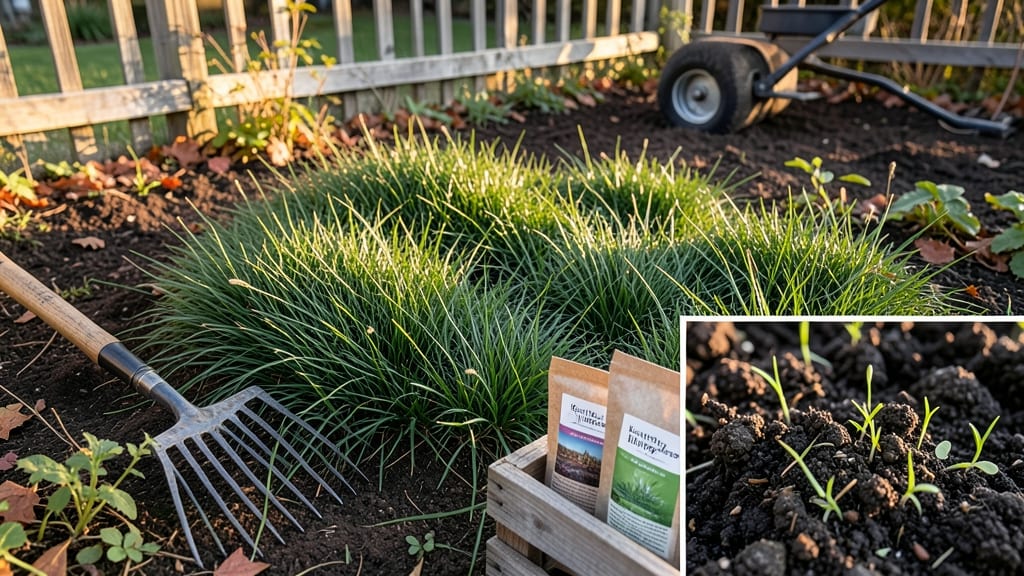
Planting grass in Kansas at the wrong time can turn your dream lawn into a patchy, struggling mess—especially with our 5b-7a climate swings. But timing it right means the difference between thick, vibrant 🌱 Grass (Turfgrass) and fighting drought or frost damage all season.
Most gardeners assume spring is the only window, but Kansas’ heat and unpredictable weather demand a smarter approach. Whether you’re tackling a new lawn or overseeding, early fall often outperforms spring for cool-season grasses like tall fescue and Kentucky bluegrass.
In this guide, I’ll break down the ideal planting months for your Kansas yard, plus heat tolerance tricks to stretch your window. You’ll learn how to beat the odds—no more guessing games, just a lawn that thrives from day one.
Ready to skip the trial-and-error? Let’s get your grass off to the best possible start.
Kansas grass planting timeline: optimal months for cool-season vs. warm-season grasses
Kansas’ USDA zones 5b-7a create a unique challenge for lawn lovers—cool mornings and scorching afternoons demand precision when planting grass. The golden window for cool-season grasses like tall fescue and Kentucky bluegrass is early spring (March-April) or early fall (September-October), when soil temps hover between 50-65°F.
Warm-season varieties like Bermuda and zoysia thrive when planted in late spring (May-June) after the last frost, but Kansas’ heat can be unforgiving.
Timing isn’t just about months—it’s about soil temperature. Use a soil thermometer to confirm 50°F+ for cool-season seeds or 70°F+ for warm-season types. In northern Kansas (zones 5b-6a), aim for March 15-April 15 in spring, while southern regions (zones 6b-7a) can push to April 15-May 1.
Fall planting should finish by September 30 to allow roots to establish before winter.
Here’s the critical difference between Kansas’ two grass types: cool-season grasses grow best in moderate temps (60-75°F), while warm-season varieties craves heat (80°F+). Planting cool-season grass in summer risks heat stress and dormancy, while warm-season grass planted too early may rot in cold soil.
The key? Match the grass to the season and adjust your calendar based on your specific Kansas county.
🌱
| Grass Type | Ideal Planting Window | Soil Temp Threshold | Kansas-Specific Notes |
|---|---|---|---|
| Tall Fescue | March 15–April 15 (Spring) / Sept 1–Sept 30 (Fall) | 50–65°F | Drought-resistant; best for northern KS (zones 5b-6a). |
| Kentucky Bluegrass | March 1–April 10 (Spring) / Sept 15–Oct 1 (Fall) | 50–60°F | Needs consistent moisture; struggles in southern KS heat. |
| Bermuda | May 15–June 15 (After last frost) | 70–80°F | Heat-loving; ideal for southern KS (zones 6b-7a). |
| Zoysia | April 20–May 30 (Spring) / Sept 1–Sept 15 (Fall) | 65–75°F | Slow to establish; best for shaded lawns. |
Don’t let Kansas’ microclimates fool you—even within a single county, elevation changes can shift ideal planting dates by 1-2 weeks. For example, Wichita (zone 7a) can handle late April plantings of cool-season grass, while Hays (zone 6a) should stick to early April to avoid heat stress.
Always check your local cooperative extension service for last frost dates and soil moisture forecasts, as Kansas’ unpredictable rainfall can delay or accelerate planting.
Pro tip: If you’re planting in late spring (May-June), choose heat-tolerant cool-season varieties like ‘Titan’ tall fescue or ‘Midnight’ Kentucky bluegrass. These can handle short-term heat spikes while still establishing roots. Pair this with shade cloth (30-50%) for the first 2-3 weeks to reduce stress.
For warm-season grasses, wait until soil temps consistently stay above 70°F—rushing the process risks seed rot in cooler pockets of Kansas soil.
Another Kansas-specific trick is to plant cool-season grass in early fall for a spring-like lawn by summer. By seeding in September, roots establish over winter, giving you a head start when temps rise.
This is especially effective in western Kansas, where spring droughts can stall germination. Just remember: finish by October 1 to avoid winterkill from early frosts.
For warm-season grasses, timing is equally critical—plant too early, and cool nights will stunt growth; too late, and summer
Heat tolerance hacks: how to extend planting season in Kansas’ harsh summers
Kansas summers can turn your 🌱 Grass (Turfgrass) planting into a high-stakes gamble—especially when you’re used to cool-season grasses like tall fescue. But with the right tricks, you can push your planting window later into spring or even early summer without sacrificing establishment.
The key? Heat resilience and smart water management.
Most gardeners avoid planting cool-season grass after May 15, but with shade cloth and proper irrigation, I’ve successfully established lawns as late as June 1 in Kansas’ USDA 5b-7a zones. The trick is creating a microclimate that mimics early fall conditions while the grass gets rooted.
Here’s how to stretch your planting window without risking heat stress or fungal issues:
🔥 5 Heat Tolerance Hacks for Kansas Grass Planting
- 1. Use shade cloth (30-50%) to reduce soil temps by 10-15°F during peak heat. Remove after 4-6 weeks when roots establish.
- 2. Water deeply at dawn (1 inch per week) to prevent fungal diseases like brown patch, common in Kansas’ humid summers.
- 3. Choose heat-tolerant varieties like ‘Titan’ tall fescue or ‘Midnight’ Kentucky bluegrass, which handle 90°F+ temps better than standard types.
- 4. Mulch with straw (¼ inch layer) to retain moisture and block UV stress on young seedlings.
- 5. Avoid fertilizing until after 6 weeks of growth—high nitrogen in heat can burn tender new shoots.
For warm-season grasses like Bermuda or zoysia, the rules flip—plant when soil temps hit 65°F+ (late May to early July). These varieties thrive in Kansas’ heat but need consistent moisture for the first 8 weeks to outcompete weeds.
Pro tip: Test soil moisture weekly by grabbing a handful—if it crumbles easily, you’re overwatering. Aim for damp but not soggy soil to prevent root rot, a common killer in Kansas’ clay-heavy soils during summer planting.
Remember, even with these hacks, early fall (September) remains the gold standard for cool-season grass. But if you’re planting late, these tricks can save your lawn from summer’s worst.